
 Save to Pinterest
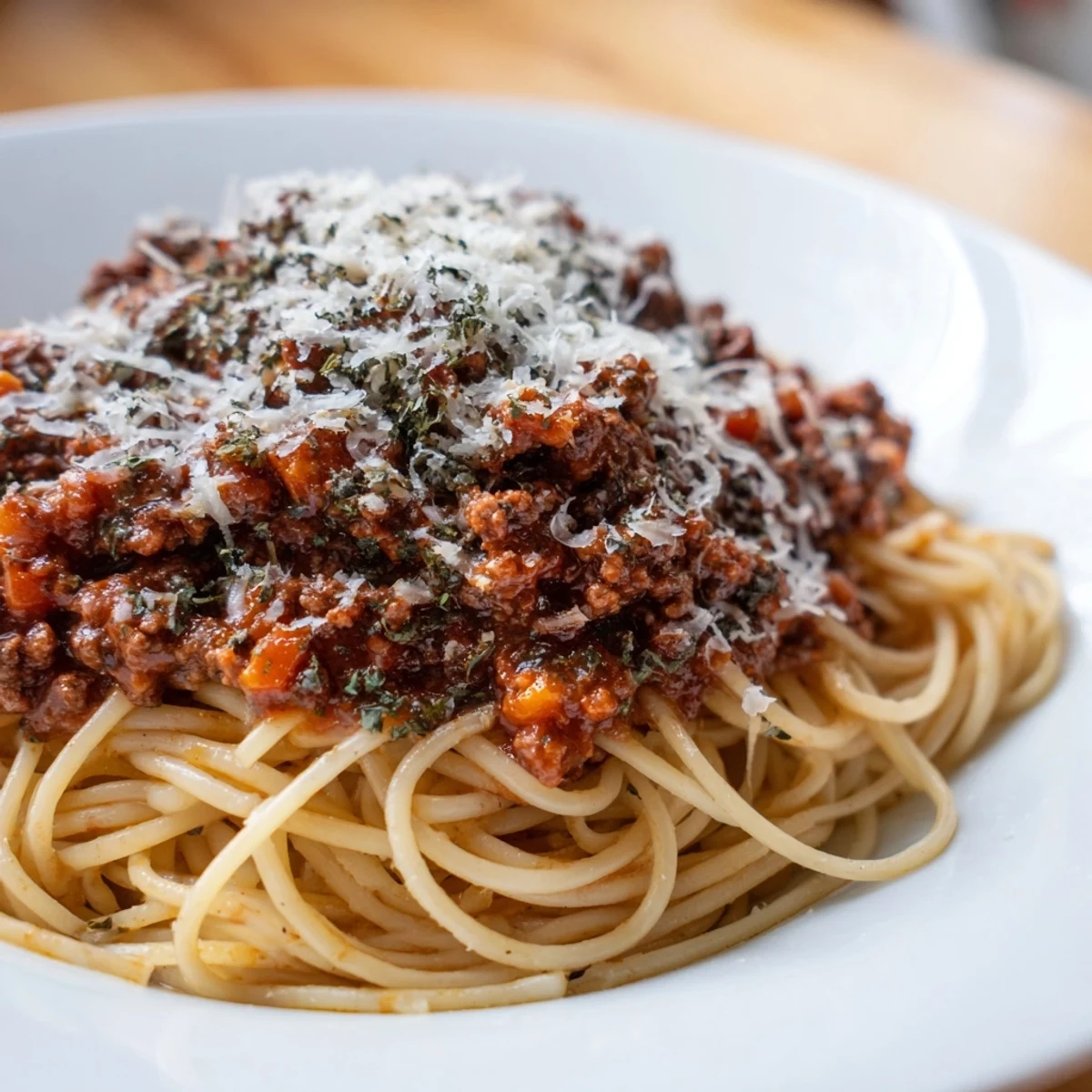
 This classic Italian dish features a slow-cooked beef and tomato sauce, simmered to develop deep, savory flavors. The sauce combines ground beef, garlic, onions, and herbs, cooked gently with red wine and crushed tomatoes. Served atop tender spaghetti pasta and finished with freshly grated Parmesan, it delivers a comforting and satisfying meal. Optional fresh herbs add brightness, while careful simmering ensures a rich texture that clings to the noodles.
The first time I attempted Bolognese, I rushed through everything in thirty minutes and wondered why it tasted like glorified spaghetti sauce. Years later, after watching an Italian neighbor spend a whole Sunday afternoon tending to her pot, I finally understood that Bolognese isn't just a sauce—it's a commitment. Now I treat the simmering process like meditation, letting those aromas of garlic, wine, and slowly caramelized beef fill the entire house until everyone wandering through the kitchen asks what smells so incredible.
Last winter my sister came over during a snowstorm and we spent three hours just talking while the sauce bubbled away on the stove. Something about that slow cooking process makes people linger in the kitchen, pouring wine and stealing tastes when they think you're not looking. She still texts me every time she makes it now, complaining impatient about the simmer time but then sending a photo of an empty pot.
Ingredients
- Olive oil: The foundation that carries all the aromatics—don't skip this
- Onion, carrot, celery: This classic trio creates the sweet aromatic base Italians call soffritto
- Garlic: Three cloves give you that fragrant warmth without overpowering everything else
- Ground beef: The 80/20 ratio is crucial here—that extra fat keeps the sauce rich and silky
- Tomato paste: Concentrated tomato flavor that caramelizes into something almost meaty
- Dry red wine: Any drinkable Italian red works, and yes, pour yourself a glass while cooking
- Crushed tomatoes: Whole tomatoes canned at peak ripeness, then crushed by hand
- Dried oregano and basil: Dried herbs actually work better here than fresh for long simmering
- Bay leaf: The secret weapon that adds an earthy, almost floral background note
- Sugar: Just enough to neutralize acidity if your tomatoes taste too sharp
- Spaghetti: The classic choice, though any long pasta catches sauce beautifully
- Parmesan: Freshly grated only—pre-grated has anti-caking agents that ruin the texture
Instructions
- Build your aromatic foundation:
- Heat olive oil in your heaviest pot over medium heat, then add chopped onion, carrot, and celery. Let them soften slowly for 6 to 8 minutes, stirring occasionally—they should be tender and translucent, not browned or crispy.
- Wake up the garlic:
- Stir in the minced garlic and cook just 1 minute until you can smell it throughout the kitchen. Garlic burns fast, so keep it moving and watch closely.
- Brown the beef properly:
- Add the ground beef, breaking it apart with your wooden spoon. Let it cook undisturbed for a couple minutes between stirrings so it develops a nice brown crust—those browned bits are flavor gold. This takes 6 to 8 minutes.
- Concentrate the flavors:
- Stir in the tomato paste and let it cook for 2 minutes, until it darkens slightly and smells almost caramelized. Pour in the wine and use your spoon to scrape up all those gorgeous browned bits from the bottom of the pan. Let it bubble until most of the liquid has evaporated, about 2 to 3 minutes.
- Start the long simmer:
- Add crushed tomatoes, oregano, basil, bay leaf, sugar if using, and a generous pinch of salt and pepper. Stir everything together, bring it to a gentle bubble, then reduce heat to low. Cover the pot partially, leaving a little gap for steam to escape.
- Let time work its magic:
- Simmer for 45 to 60 minutes, giving it a stir every now and then. The sauce will thicken and turn a deep, rich red as the flavors marry. Taste toward the end and adjust salt or pepper as needed.
- Cook the pasta perfectly:
- About 15 minutes before the sauce finishes, drop spaghetti into a large pot of generously salted boiling water. Cook until al dente—tasting a strand is the only way to know for sure. Drain but save about half a cup of that starchy pasta water before you forget.
- Finish with intention:
- Fish out that bay leaf and discard it. If the sauce seems thicker than you like, splash in some of the reserved pasta water to loosen it up. Toss the spaghetti directly with sauce in the pot, or plate the pasta first and spoon sauce generously over each serving.
- The finishing touch:
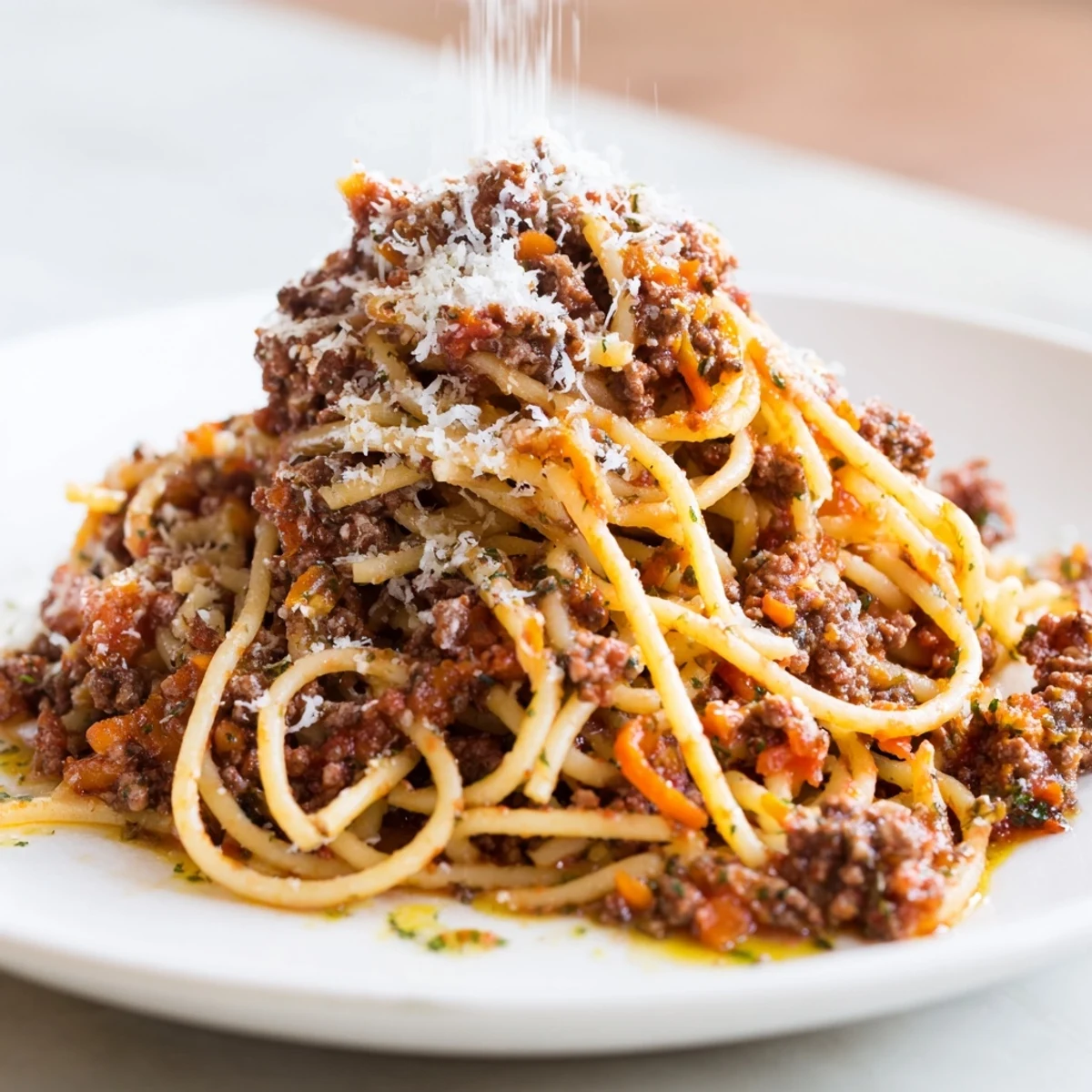
- Grate fresh Parmesan over each portion right at the table, and tuck some fresh basil or parsley leaves on top if you're feeling fancy. Serve immediately while the pasta still has that perfect bounce.
 Save to Pinterest
 My kids used to request the quick version, until they accidentally tasted the slow-simmered sauce at a friend's house. Now they're the ones reminding me to start it early, and they hover around the pot stealing spoonfuls when they think I'm busy. Watching them learn to appreciate food that takes time might be my proudest parenting moment.
The Wine Question
I used to buy cheap cooking wine until someone pointed out that if you wouldn't drink it, you shouldn't cook with it. Now I just use whatever modest Italian red I have open—Chianti, Sangiovese, even a basic Barbera works. The alcohol cooks off but the wine's character stays behind, adding layers you can't quite identify but would definitely miss if they were gone.
Making It Yours
Some Sundays I add a splash of cream or whole milk right at the end, which makes the sauce impossibly rich and velvety. Other times I mix in ground pork with the beef for a more complex meat flavor. The beauty of a recipe like this is how forgiving it is—once you understand the technique, you can make it your own without fear of ruining dinner.
Serving It Right
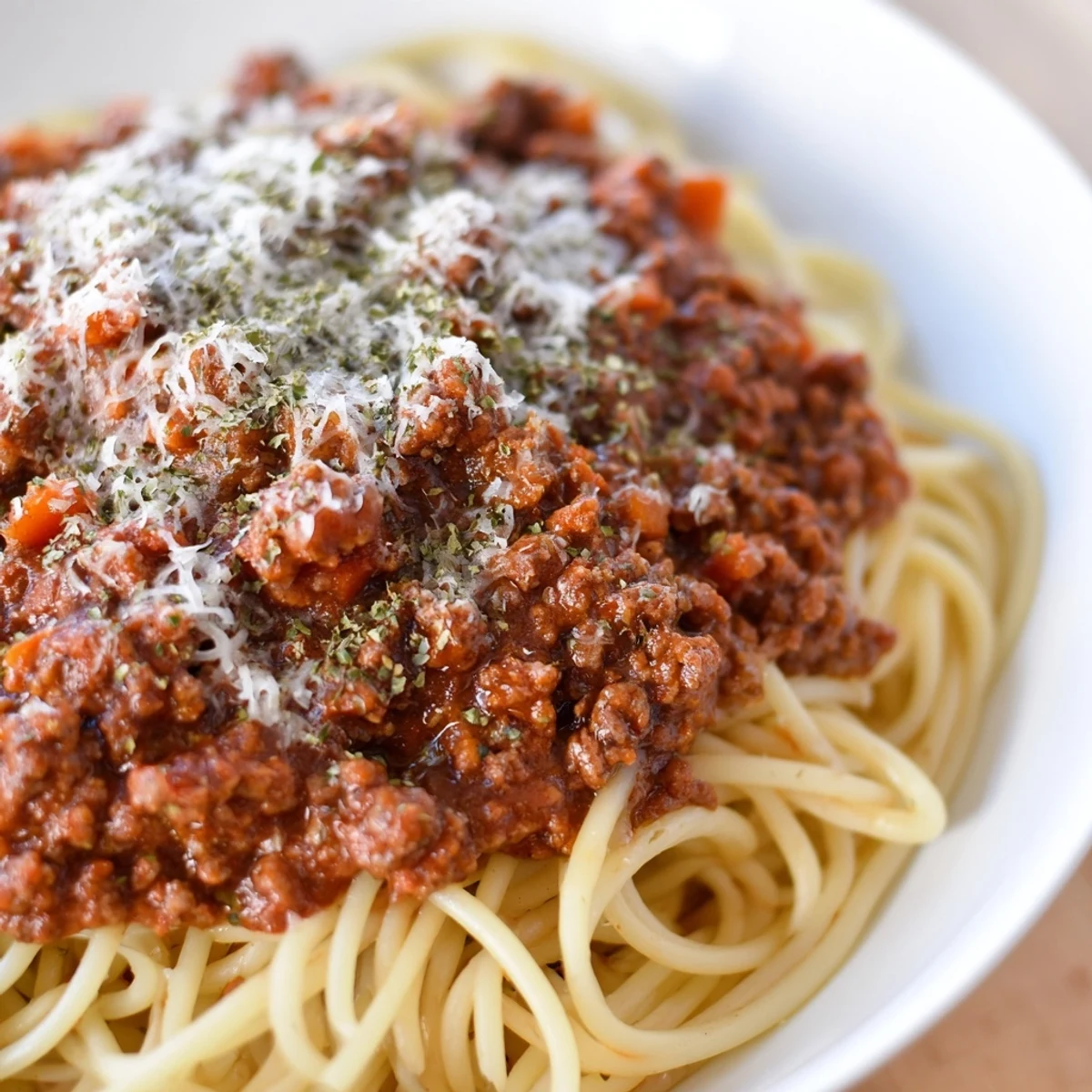
In Italy, they serve the sauce on top of the pasta rather than tossing it together, which lets you appreciate both components. At home, I like tossing half the sauce with the pasta so every strand is coated, then serving the rest in a bowl at the table. Keep extra Parmesan on the table—this is one dish where there's no such thing as too much cheese.
- Set out a bowl of extra sauce for guests who love a heavy coating
- Crusty bread on the table is non-negotiable for sauce sopping
- A simple green salad with bright vinaigrette cuts through the richness perfectly
 Save to Pinterest
 There's something deeply satisfying about a recipe that rewards patience and attention rather than fancy technique or hard-to-find ingredients. Good food doesn't have to be complicated, it just has to be cared about.
Recipe FAQs
- → How long should the sauce simmer?
-
Simmer the sauce gently for 45 to 60 minutes to develop rich flavors and a thick texture.
- → Can I use a different type of pasta?
-
Yes, while spaghetti is traditional, rigatoni or tagliatelle can also hold the sauce well.
- → How do I achieve the perfect al dente pasta?
-
Boil salted water and cook the pasta according to package instructions, usually until firm to the bite.
- → What is the purpose of adding red wine?
-
Red wine adds depth and complexity, enhancing the savory notes of the beef and tomato sauce.
- → How can I adjust the sauce’s acidity?
-
A small amount of sugar can balance the acidity of the tomatoes without overpowering the flavor.