
 Save to Pinterest
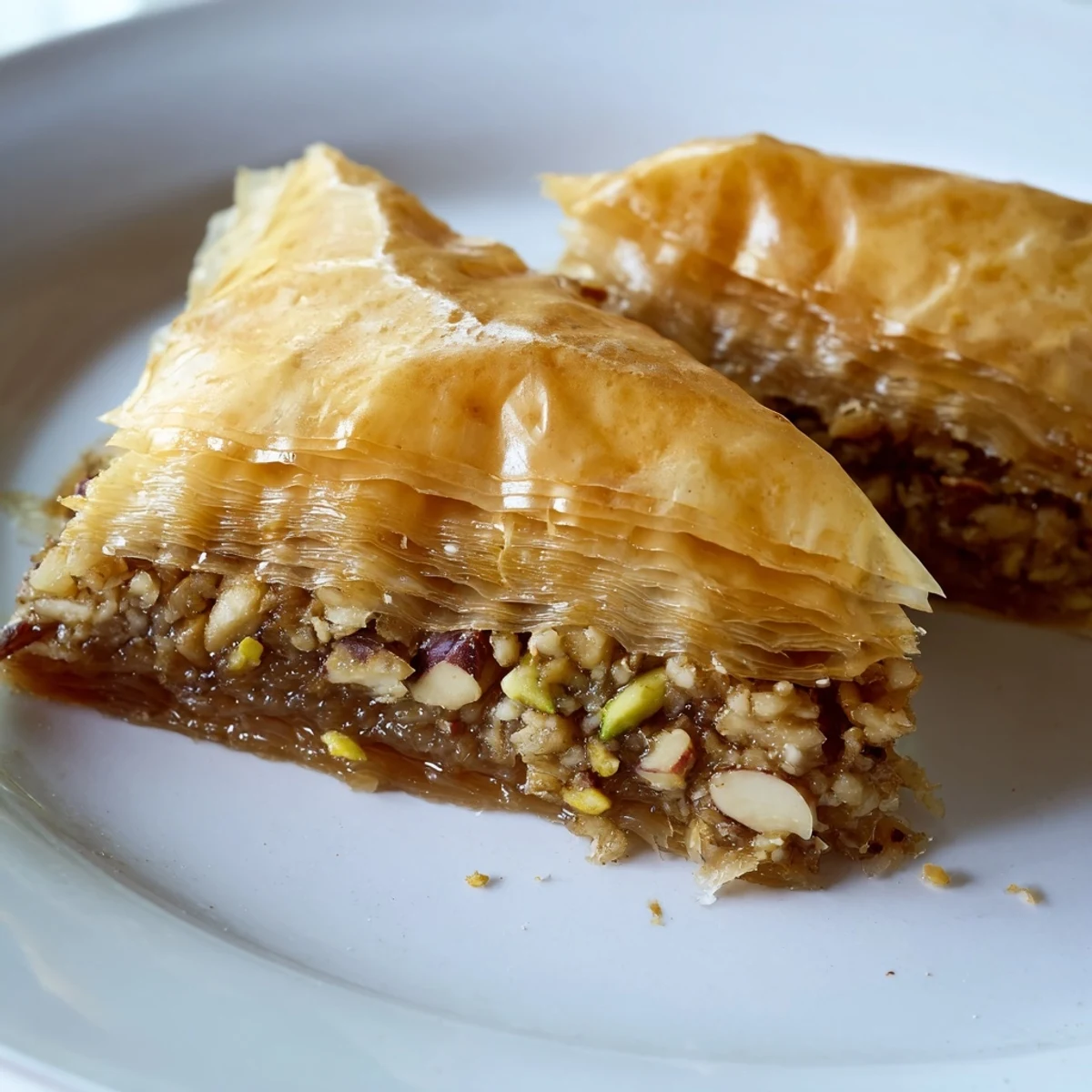
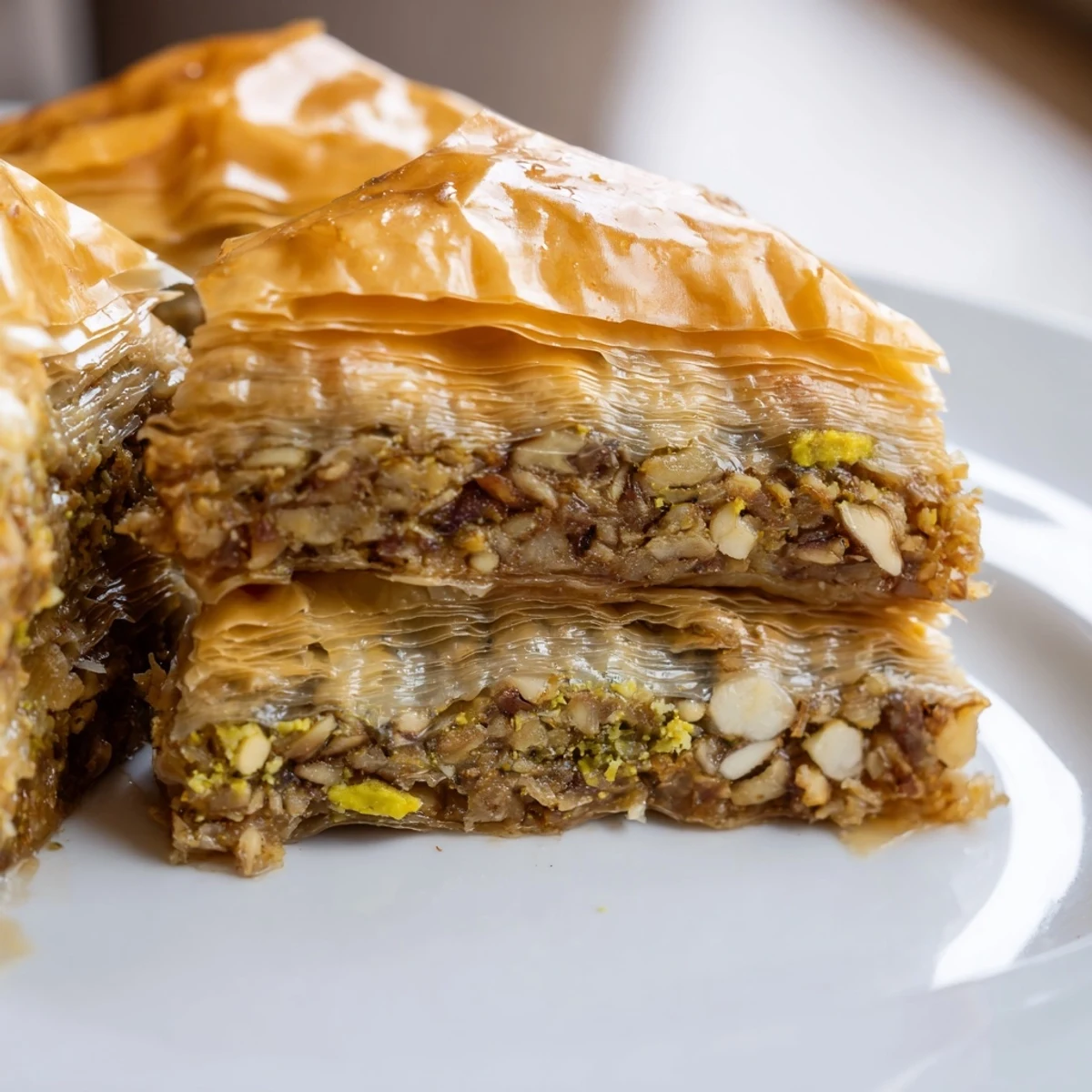
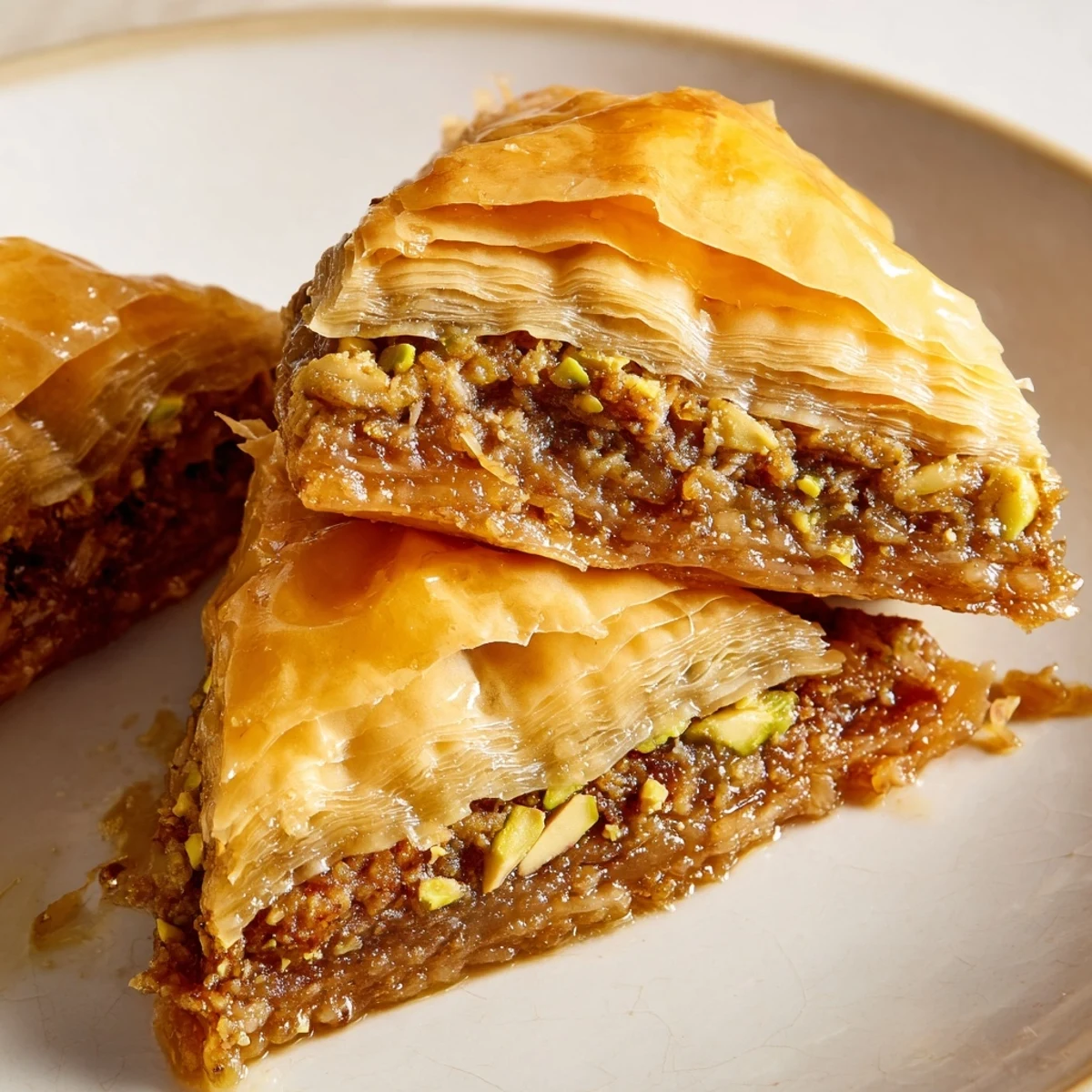
 This traditional Bosnian dessert creates delicate layers of crisp phyllo dough brushed generously with butter and filled with a aromatic blend of finely chopped walnuts, almonds, and pistachios sweetened with sugar and warming spices like cinnamon and cloves. After baking to golden perfection, hot syrup made from sugar, water, honey, and lemon juice is poured over the pastry, allowing it to absorb completely for maximum sweetness and moisture.
The result is a wonderfully indulgent treat with crispy yet tender layers and a rich, fragrant sweetness that pairs beautifully with Bosnian coffee or black tea.
The aroma of honey and butter drifting through my grandmother's apartment hallway still brings me back to Sunday mornings in Sarajevo. I was twelve when she first let me help brush the phyllo layers, my hands trembling as I tried not to tear the delicate dough. Those afternoons taught me that baklava isn't rushed—it's a meditation of butter, nuts, and patience.
Last winter, I made this for my roommate's birthday, scaling the recipe to feed twenty people after learning the hard way that baklava disappears fast at parties. Her Serbian mother took one bite and asked for the recipe—the highest compliment I could imagine receiving. Now it's become our celebration dessert, the one that turns ordinary evenings into something worth remembering.
Ingredients
- 500 g phyllo dough: Thawed completely if frozen, though I've learned that keeping it covered with a slightly damp towel prevents drying while you work
- 250 g walnuts and 100 g each almonds and pistachios: Finely chopped creates the most even layers, but I sometimes leave some nuts slightly chunky for extra texture contrast
- 100 g sugar plus 1 tsp cinnamon and 1/4 tsp cloves: This spice ratio balances the nuts without overwhelming them, though my grandmother sometimes added cardamom for a warmer finish
- 250 g unsalted butter, melted: The glue that holds everything together—using unsalted lets you control the salt level exactly
- 400 g sugar, 250 ml water, 100 ml honey, 1/2 lemon juice, and 1 tbsp rose or orange blossom water: This syrup ratio hits the perfect sweet spot between traditional honey syrup and the lighter sugar based version
Instructions
- Preheat and prepare your workspace:
- Heat your oven to 180°C (350°F) and butter your 23x33 cm baking pan while keeping your phyllo covered with a damp towel to prevent drying out.
- Mix the nut filling:
- Combine walnuts, almonds, pistachios, sugar, cinnamon, and cloves in a bowl until evenly distributed—this ensures each layer has the same flavor profile.
- Build the first foundation layer:
- Layer and butter 6 to 8 sheets of phyllo, brushing each one lightly but thoroughly with melted butter, creating the sturdy bottom that holds everything together.
- Add the first nut layer:
- Sprinkle one third of your nut mixture evenly across the phyllo, spreading it gently with your hands to cover the surface without tearing the dough beneath.
- Create the middle layers:
- Add 4 to 5 more buttered phyllo sheets, then another third of nuts, repeating this pattern once more to build alternating layers of crisp pastry and spiced filling.
- Finish with the top layer:
- Complete the baklava with remaining phyllo sheets, buttering each one including the very top layer which will become beautifully golden as it bakes.
- Cut before baking:
- Using your sharpest knife, slice the baklava into diamonds or squares now—cutting after baking destroys those perfect layers you just built.
- Bake until golden:
- Bake for 35 to 40 minutes until the top turns deep golden brown and the edges start to pull slightly away from the pan.
- Prepare the syrup while baking:
- Combine sugar, water, and lemon juice in a saucepan, boiling for 8 to 10 minutes before removing from heat and stirring in honey and rose or orange blossom water.
- Combine hot and hot:
- Pour the hot syrup evenly over the hot baklava the moment it comes out of the oven—this temperature shock is the secret to maximum absorption.
- Wait patiently:
- Let it cool completely at room temperature, giving the syrup time to soak into every layer before serving.
 Save to Pinterest
 My favorite baklava memory involves accidentally pouring the syrup too quickly and watching it pool in one corner instead of distributing evenly. The next day, that corner had become the most coveted piece—softer and more intensely syrup soaked than the rest. Sometimes kitchen mistakes teach you that there's no wrong way to enjoy something this good.
Making It Ahead
Baklava actually improves overnight as the syrup fully penetrates every layer. I've made it up to three days ahead, storing it covered at room temperature, and it just gets better with each passing day.
Serving Suggestions
Traditional Bosnian coffee or strong black tea balances the sweetness perfectly, though vanilla ice cream creates a lovely temperature contrast. In Sarajevo, it's often served as part of a larger dessert spread alongside fruit and small cookies.
Storing Your Baklava
Keep it in an airtight container at room temperature for up to a week—refrigeration makes the phyllo tough and steals away that signature crispness. The butter content keeps it perfectly stable on the counter.
- Separate layers with parchment paper if you need to stack pieces
- Bring to room temperature before serving for the best texture
- The flavors continue developing over the first 24 hours
 Save to Pinterest
 Every time I pull a golden pan of baklava from the oven, pouring that fragrant syrup over the crisp layers, I'm transported back to my grandmother's kitchen. Some recipes are just meant to connect us across generations.
Recipe FAQs
- → How far in advance can I make baklava?
-
Baklava tastes best when prepared a day ahead, allowing the syrup to fully absorb into the phyllo layers. Store in an airtight container at room temperature for up to a week.
- → Can I substitute the nuts in the filling?
-
Absolutely. While traditional Bosnian baklava uses walnuts, almonds, and pistachios, you can adjust ratios or substitute with hazelnuts based on your preference and availability.
- → Why should I pour hot syrup over hot baklava?
-
Pouring hot syrup over freshly baked, hot pastry ensures optimal absorption. The heat helps the syrup penetrate evenly through all layers, creating that characteristic moist, sweet texture throughout.
- → How do I prevent phyllo from drying out?
-
Work quickly and keep unused phyllo sheets covered with a slightly damp towel. Handle gently to avoid tearing, and brush each layer with melted butter immediately after placing in the pan.
- → What's the best way to cut baklava?
-
Use a sharp knife to cut through all layers before baking. Diamond shapes are traditional, but squares work well too. Cutting before baking ensures clean edges and helps syrup distribute evenly.