
 Save to Pinterest
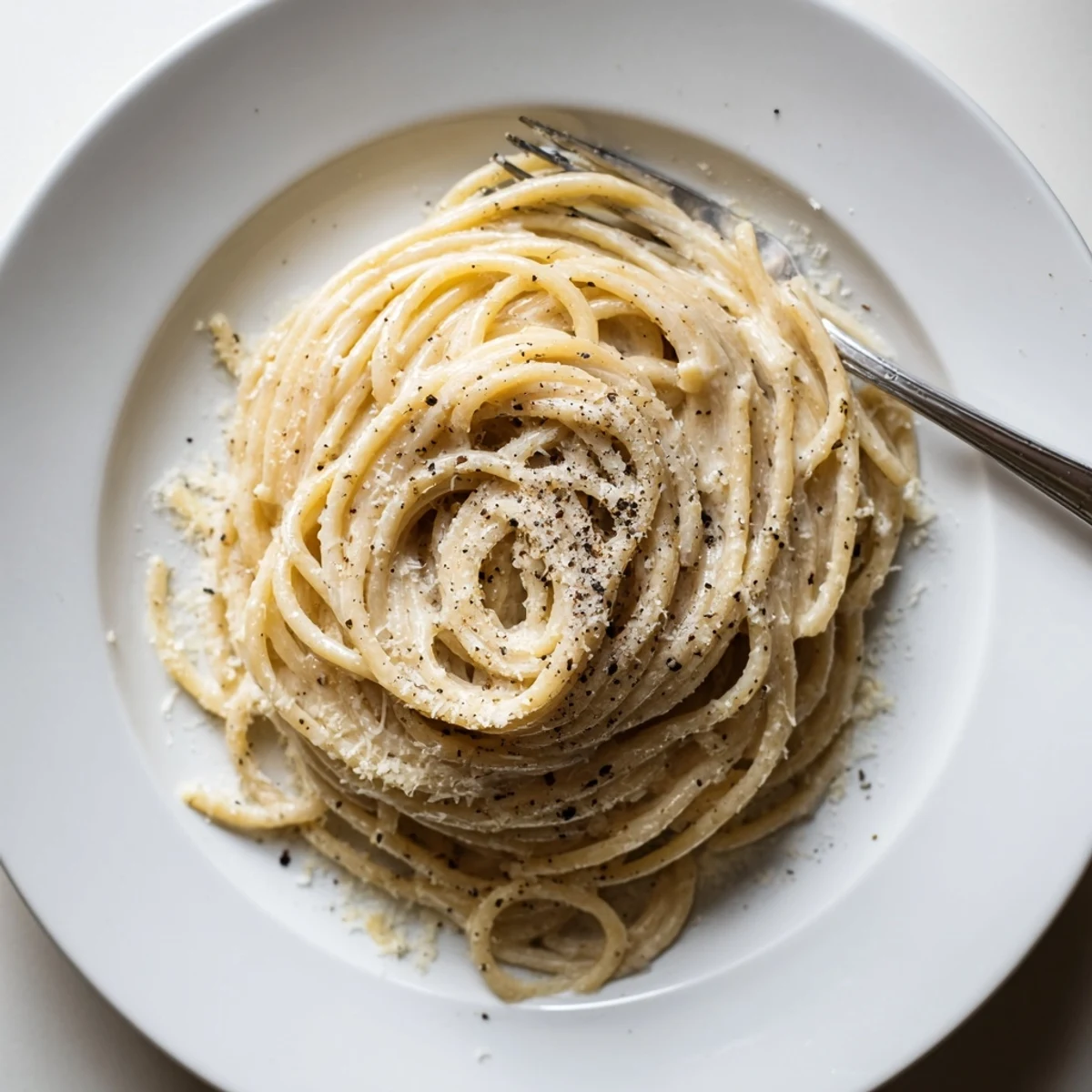
 This beloved Roman dish transforms simple ingredients into something extraordinary. The magic lies in creating an emulsion from Pecorino Romano and starchy pasta water, resulting in a silky sauce that clings perfectly to each strand. Freshly ground black pepper provides warmth and depth, while the technique of toasting the pepper first amplifies its aromatic qualities. The entire process comes together in just 25 minutes, making it an impressive yet achievable weeknight meal.
The first time I attempted Cacio e Pepe in my tiny apartment kitchen, I ended up with a clumpy, separated mess that tasted more like disappointment than dinner. But Rome wasn't built in a day, and neither was my pasta technique. After watching a nonna work her magic in a sun-drenched Roman kitchen, I finally understood the rhythm of this dish. It's all about confidence and movement, never stopping the toss.
I made this for my skeptical father who claimed no pasta could rival his Sunday gravy. He stood silent for a full minute after his first bite, then asked if there was more. That's the power of something so simple executed with care and attention.
Ingredients
- 200 g spaghetti or tonnarelli: Tonnarelli's rough surface grabs sauce beautifully, but quality spaghetti works perfectly too
- 80 g Pecorino Romano cheese, finely grated: Must be freshly grated with a microplane for that melt-in-your-mouth texture
- 2 tsp freshly ground black pepper: The heat wakes up the cheese's sharpness, so don't be shy with it
- 1/2 tsp salt: Just enough to season the pasta water without competing with the cheese
- 1 liter water: Using less water creates a starchier cooking liquid that's crucial for the sauce
Instructions
- Get your water working:
- Bring your liter of water to a rolling boil and salt it lightly
- Cook the pasta:
- Add spaghetti and cook until al dente, then reserve about 1 cup of that precious starchy water before draining
- Wake up the pepper:
- Toast black pepper in a large skillet over medium heat for about 1 minute until your kitchen fills with its spicy perfume
- Create the base:
- Add 1/2 cup hot pasta water to the toasted pepper and let it bubble together for a moment
- Make the cheese paste:
- Mix grated Pecorino with a few tablespoons of hot pasta water in a large bowl until it becomes a thick, smooth paste
- Bring it all together:
- Transfer cooked spaghetti to the peppered skillet, toss well, then remove from heat completely before adding the cheese paste
- The final toss:
- Add the cheese paste gradually, tossing constantly and adding more reserved water until each strand is coated in glossy, creamy perfection
- Get it to the table:
- Serve immediately while it's at its silkiest, topped with extra cheese and another crack of pepper
 Save to Pinterest
 This recipe taught me that the most luxurious things in life often require just a handful of perfect ingredients and a little patience. Now it's my go-to comfort meal, whether celebrating or recovering from a long day.
The Art of the Cheese Paste
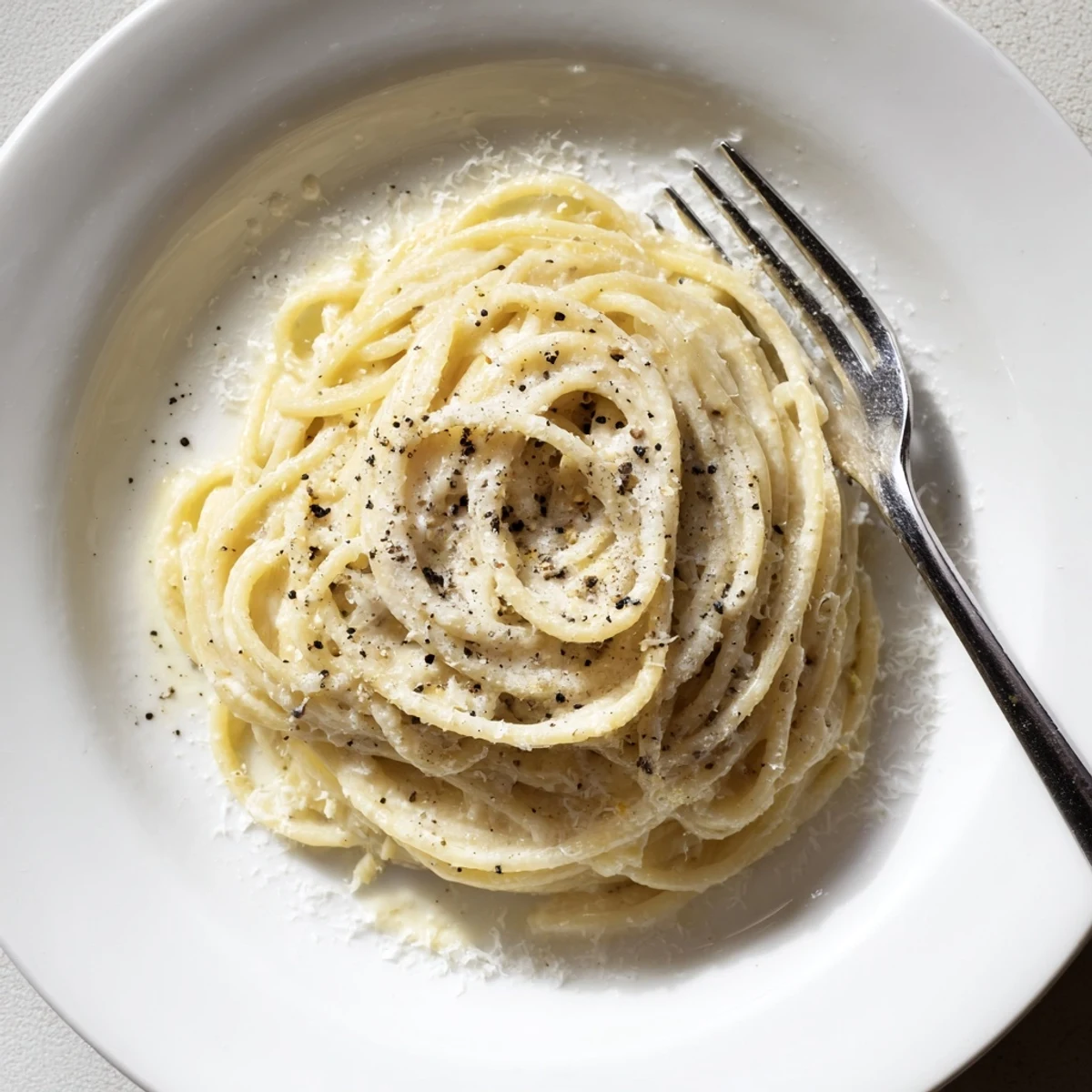
Creating that smooth cheese mixture is where most people stumble. The key is tempering the Pecorino with warm water before it ever hits the hot pasta. Think of it like making a roux but without the flour, your water replaces the fat and creates that emulsion that makes this dish so incredibly creamy without any actual cream.
Perfecting Your Pepper Toast
Watch those peppercorns carefully in the skillet. They'll start smelling fragrant and slightly smoky, which means they're releasing their essential oils. This step transforms black pepper from a background seasoning into a starring flavor that lingers beautifully on your palate. Don't let them burn or they'll turn bitter.
Making It Your Own
While purists might argue, I've learned that personal preferences deserve space in the kitchen too. Some nights want more heat, others more cheese bite. The technique stays constant while the exact proportions can dance around your mood.
- Add a splash of white wine to the pepper-infused water for brightness
- Mix in some Parmesan with the Pecorino if you prefer a milder flavor profile
- Finish with a drizzle of good olive oil for extra silkiness
 Save to Pinterest
 There's something profoundly satisfying about transforming three basic ingredients into something that feels like a special occasion. Simple doesn't have to mean simple-minded, and this pasta proves it every single time.
Recipe FAQs
- → What makes the sauce creamy without cream?
-
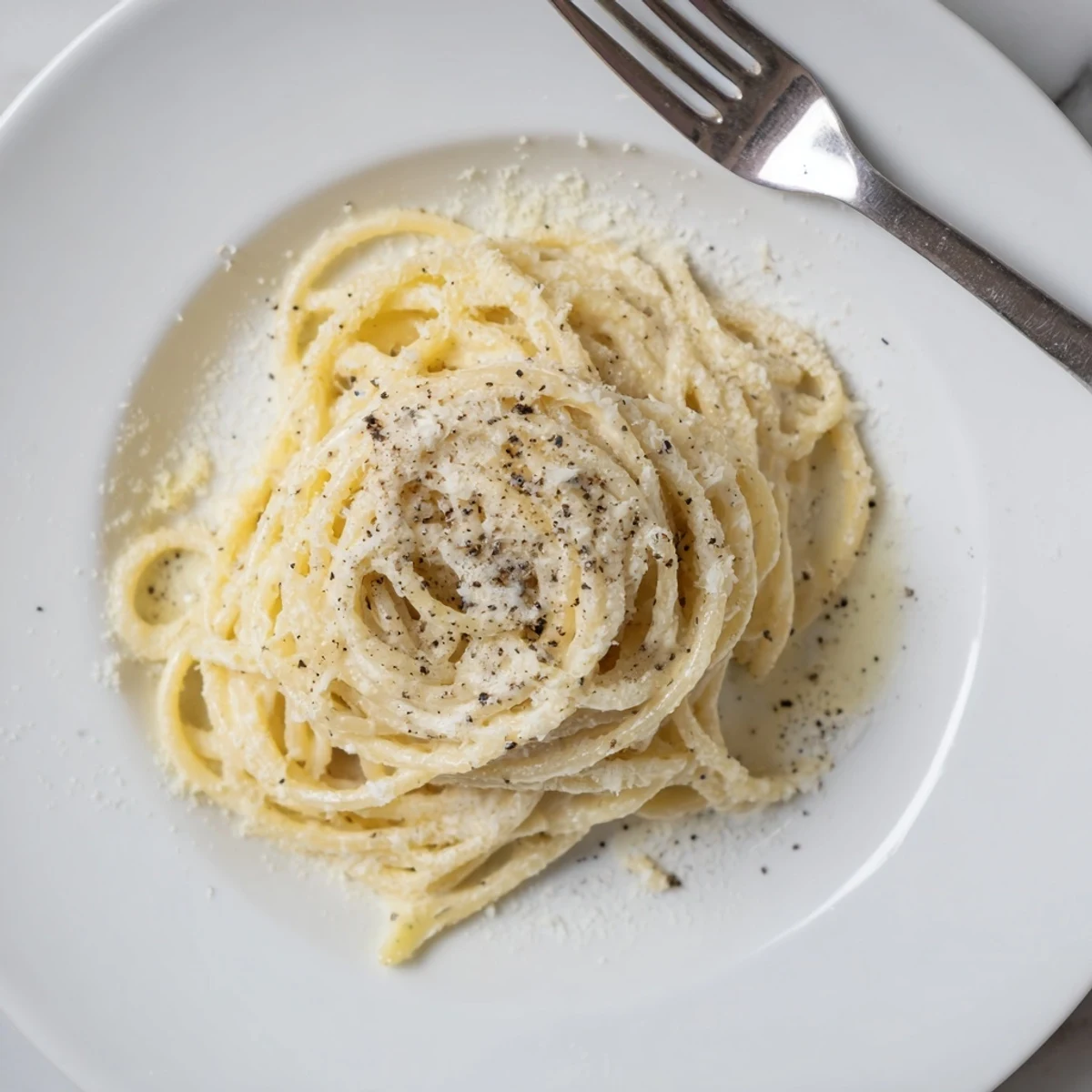
The creaminess comes from emulsifying Pecorino Romano with hot, starchy pasta water. The cheese melts into the water, creating a silky coating that naturally clings to the pasta strands.
- → Can I use Parmesan instead of Pecorino?
-
While Parmesan works, Pecorino Romano is traditional and provides the authentic sharp, salty flavor profile that defines this Roman dish. The sheep's milk cheese delivers a distinctive tang that Parmesan cannot replicate.
- → Why is my sauce clumpy?
-
Clumping occurs when cheese is added to water that's too hot or not mixed quickly enough. Remove the pan from heat before adding the cheese paste, and toss vigorously to create a smooth emulsion.
- → What pasta shape works best?
-
Long, thin noodles like spaghetti, tonnarelli, or bucatini are ideal. Their surface area allows the cheesy sauce to coat evenly. Thicker shapes may not distribute the sauce as effectively.
- → Can I make this ahead?
-
Cacio e Pepe is best enjoyed immediately. The sauce tends to seize and become grainy when reheated. For the silkiest results, cook and serve right away.
- → Why toast the black pepper?
-
Toasting the pepper in the skillet releases its essential oils, intensifying the flavor and aroma. This brief step adds complexity and warmth that makes the dish truly exceptional.