
 Save to Pinterest
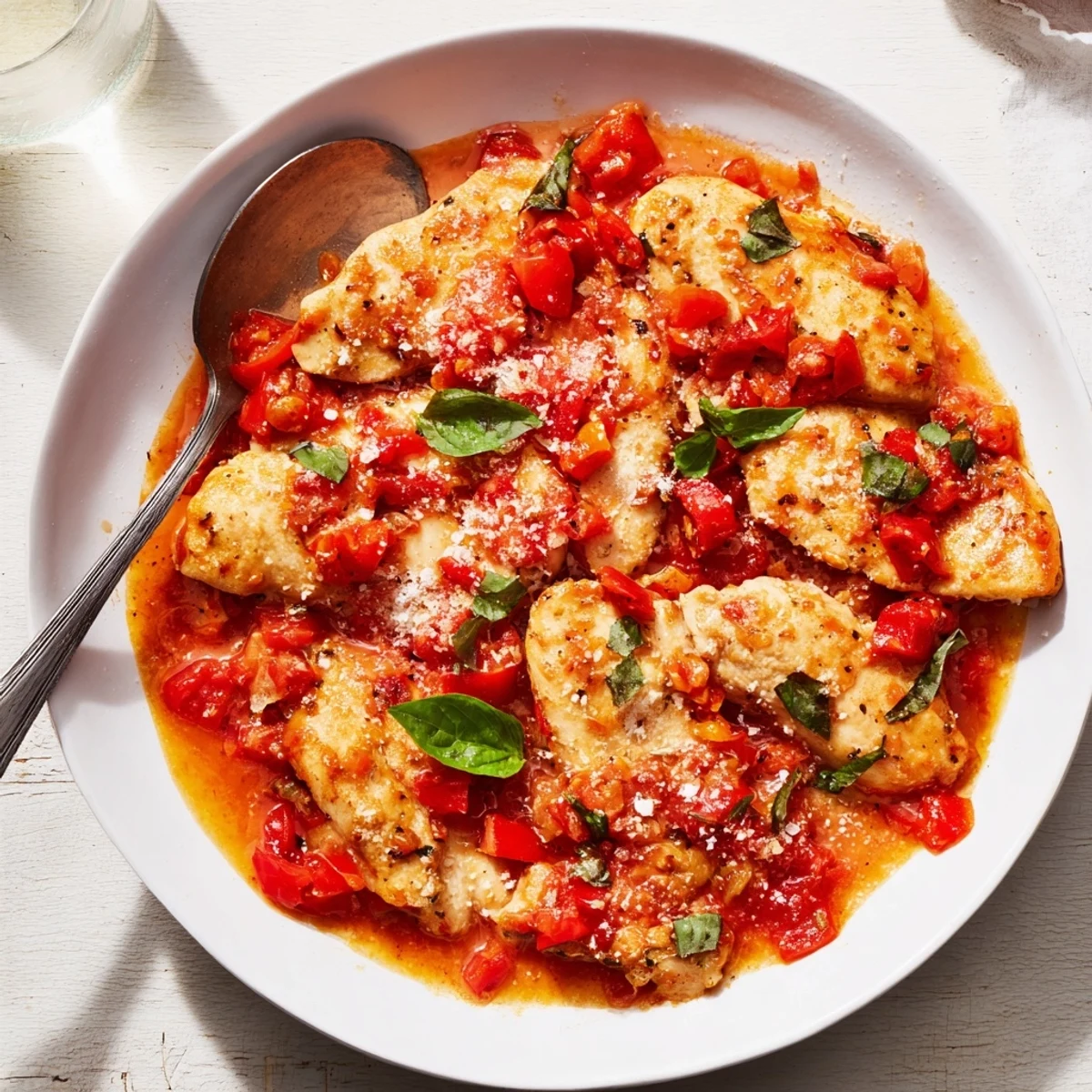
 This Italian-inspired chicken pomodoro brings together golden-seared chicken breasts and a lively crushed tomato sauce infused with garlic, onion, and dried oregano. A gentle simmer locks in moisture while the sauce thickens into a rich, coating consistency.
Fresh basil and grated Parmesan finish the dish with brightness and umami. Serve it over gluten-free pasta or zucchini noodles for a satisfying weeknight meal that's both comforting and wholesome.
With just 15 minutes of prep and easy-to-find ingredients, it's an effortless way to bring classic Italian flavors to your dinner table.
The smell of garlic hitting olive oil on a Tuesday evening is, in my opinion, one of life's most underrated comforts. I threw this chicken pomodoro together on a night when the fridge was bare and motivation was lower, and it turned into something I now crave on purpose. My roommate walked in, stopped mid sentence, and said whatever that is, I want it. That was three years ago and we still talk about it.
I have made this for date nights, sick friends, and once for a neighbor who helped me carry a sofa up three flights of stairs. Every single time someone asks for the recipe, and I pretend it is more complicated than it actually is. The truth is, the tomatoes do all the heavy lifting. You just have to stay nearby and stir when it tells you to.
Ingredients
- 4 boneless, skinless chicken breasts: Try to buy ones that are roughly the same thickness so they cook evenly, or pound them flat yourself between two sheets of plastic wrap.
- 2 tablespoons olive oil: A good quality extra virgin makes a real difference here since it is part of the flavor base.
- 1 medium onion, finely chopped: Yellow or white onion both work, but I reach for yellow for its natural sweetness.
- 3 garlic cloves, minced: Fresh only, and mince it right before it goes in the pan for the boldest flavor.
- 1 can (400 g / 14 oz) crushed tomatoes: San Marzano if you can find them, they are less acidic and naturally sweeter.
- 2 large ripe tomatoes, diced: These add texture and freshness that canned tomatoes alone cannot replicate.
- 1 teaspoon dried oregano: Rub it between your palms as you add it to wake up the essential oils.
- 1/2 teaspoon red pepper flakes: Optional but I always include them for a gentle warmth that builds in the background.
- Salt and black pepper: Season in layers, a little at each stage, rather than all at once.
- 1/2 cup fresh basil leaves, torn: Tear them by hand, never cut with a knife, or they will blacken at the edges.
- 1/4 cup grated Parmesan cheese: Plus extra for serving because nobody has ever complained about too much Parmesan.
Instructions
- Season the chicken:
- Pat the chicken breasts dry with paper towels and season both sides generously with salt and pepper. Dry skin means a better sear, so do not skip this step.
- Sear until golden:
- Heat the olive oil in a large skillet over medium high heat until it shimmers, then add the chicken in a single layer without crowding. Cook 3 to 4 minutes per side until you get a deep golden crust, then remove and set aside on a plate.
- Build the aromatics:
- Reduce the heat to medium and drop the onion into the same skillet, scraping up any browned bits stuck to the bottom. When the onion turns translucent after about 3 minutes, add the garlic and stir for 30 seconds until your kitchen smells incredible.
- Simmer the sauce:
- Pour in the crushed tomatoes, fresh diced tomatoes, oregano, and red pepper flakes, stirring everything together. Let it bubble gently for 5 minutes so the flavors begin to marry and the sauce thickens slightly.
- Braise the chicken:
- Nestle the seared chicken breasts back into the sauce, spooning some over the top, then cover with a lid. Simmer for 15 to 18 minutes until the chicken reaches 74 degrees Celsius internally and is fully cooked through.
- Melt the cheese:
- Take off the lid, sprinkle the Parmesan over each breast, and let it cook uncovered for 2 more minutes. Watch the cheese melt into golden patches while the sauce reduces just enough to coat a spoon.
- Finish and serve:
- Scatter the torn basil over everything and serve immediately, spooning extra sauce over each portion. Offer more Parmesan at the table because people will want it.
 Save to Pinterest
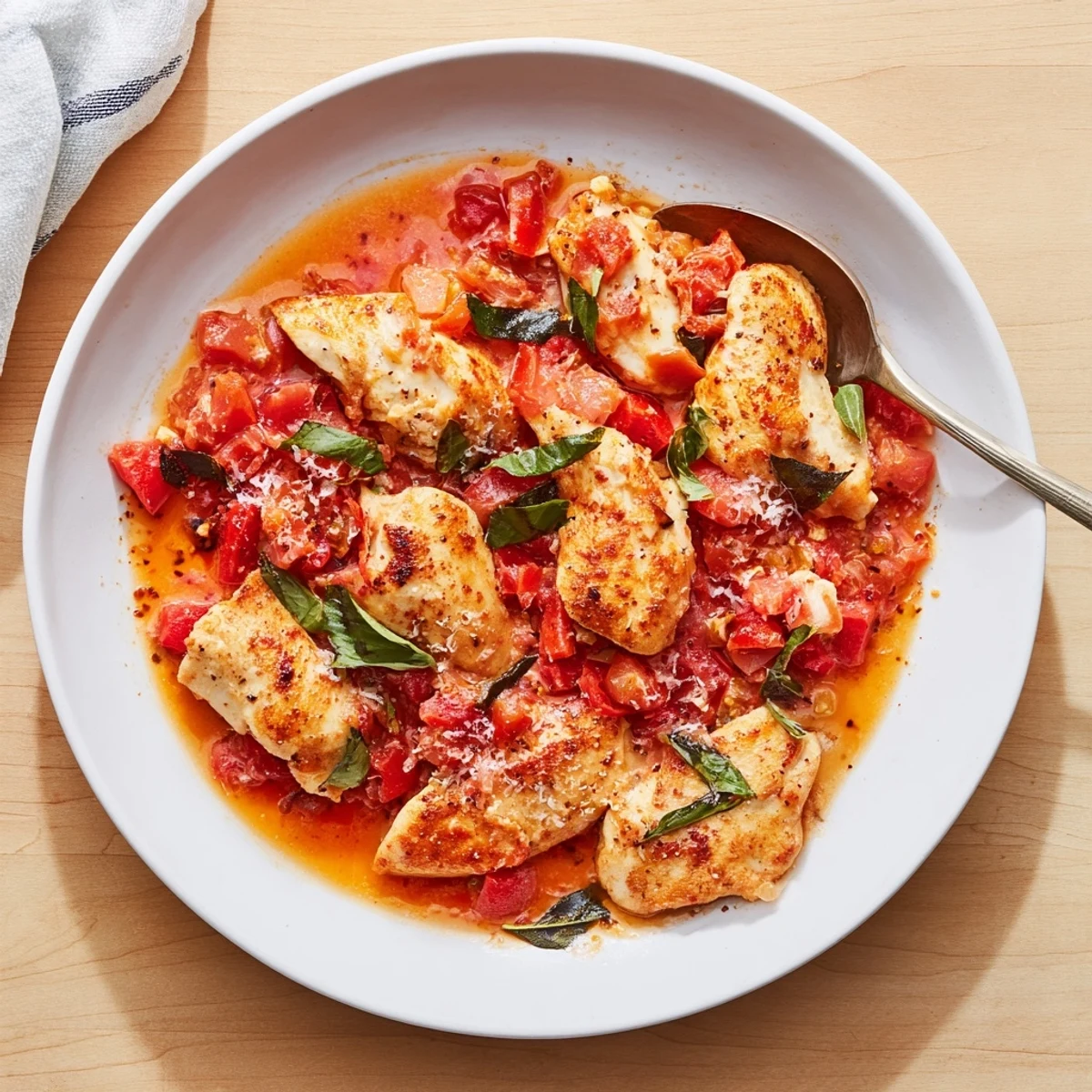
 The night I realized this dish had become a staple was when I caught myself making it from memory without measuring anything. My hands just knew how much oregano, how many tears of basil. That is when a recipe stops being a recipe and starts being yours.
Serving Ideas That Actually Work
Over gluten-free pasta it becomes a proper dinner, but laid across a pile of zucchini noodles it feels lighter and somehow more elegant. I have also served it alongside crusty bread for sopping up every last bit of sauce, which might be the most honest way to eat it. A glass of Pinot Grigio or sparkling water with a fat wedge of lemon is all you need beside it.
What I Learned From Getting It Wrong
Early on I tried skipping the fresh tomatoes and doubling the canned ones to save a trip to the store. The sauce was fine but it lost that bright, juicy pop that makes each bite interesting. I also once used pre shredded Parmesan from a bag and it refused to melt properly, leaving sad clumpy patches instead of that gorgeous golden blanket. Freshly grated is non negotiable if you want the real thing.
Tools and Kitchen Notes
A large skillet with a tight fitting lid is really the only specialized piece of equipment you need here. Everything else is basic kitchen gear you already own. A few small things make the process smoother though.
- Tongs are better than a spatula for flipping the chicken without tearing the crust.
- A wooden spoon is ideal for scraping the fond off the pan without scratching the surface.
- Keep a meat thermometer nearby so you pull the chicken at exactly the right moment and never overcook it.
 Save to Pinterest
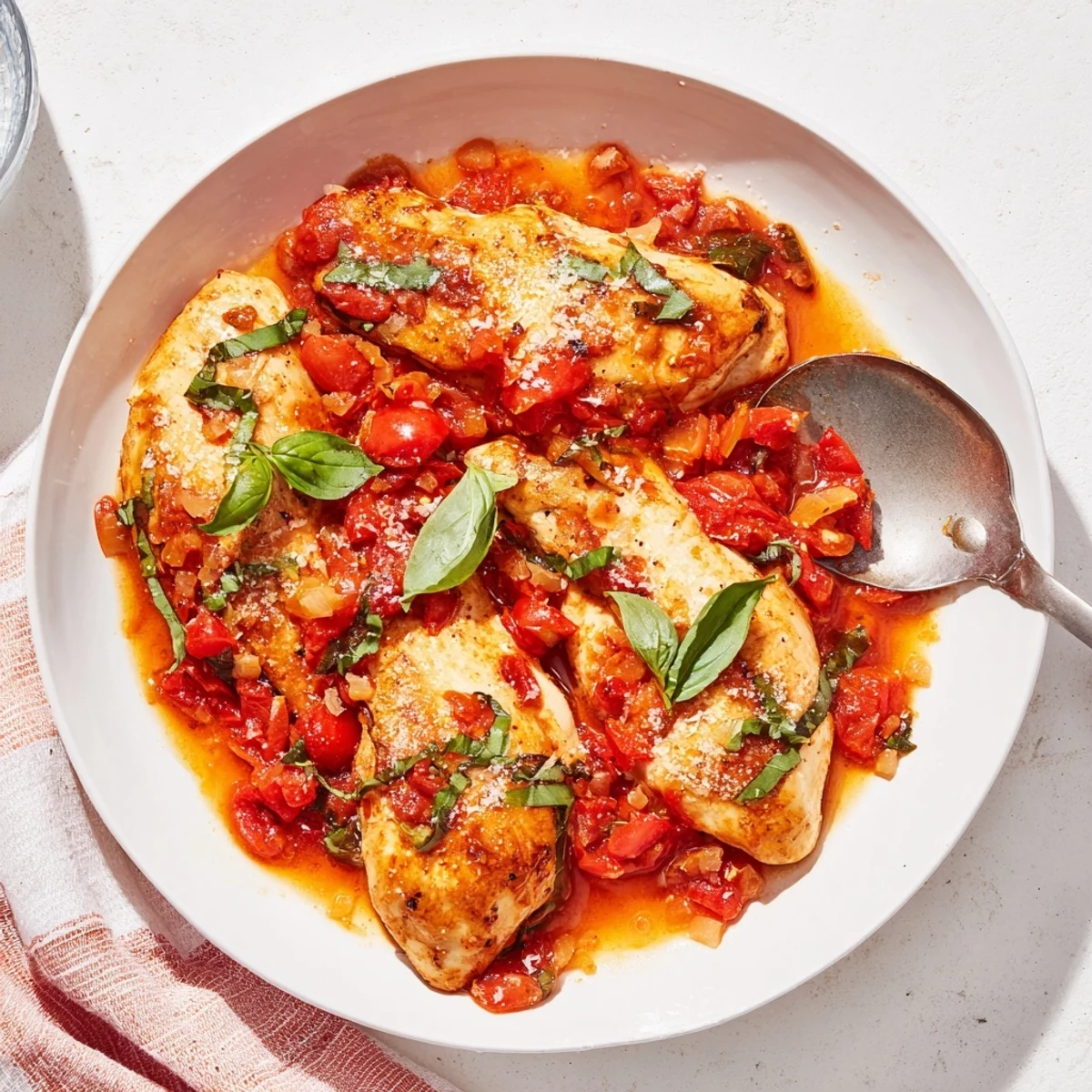
 Some recipes earn a permanent spot in your rotation not because they are flashy but because they show up when you need them. This is that recipe for me, simple, forgiving, and always better than the effort you put in. I hope it becomes your Tuesday night comfort too.
Recipe FAQs
- → Can I use chicken thighs instead of breasts?
-
Yes, boneless skinless chicken thighs work beautifully. They'll need an extra 3-5 minutes of simmering time due to their thickness, but they stay incredibly juicy and tender in the tomato sauce.
- → What can I substitute for crushed tomatoes?
-
You can use passata, tomato purée, or a combination of tomato sauce and tomato paste. If using fresh tomatoes only, peel and blend about 6-8 ripe Roma tomatoes for a similar consistency.
- → How do I store and reheat leftovers?
-
Store in an airtight container in the refrigerator for up to 3 days. Reheat gently in a skillet over medium-low heat, adding a splash of water if the sauce has thickened too much. Avoid microwaving at high power to keep the chicken tender.
- → Is this dish suitable for meal prep?
-
Absolutely. The flavors actually deepen overnight, making it an excellent make-ahead option. Portion into containers with your choice of side and refrigerate. Freeze for up to 2 months; thaw overnight in the fridge before reheating.
- → How can I make the sauce creamier?
-
Stir in ¼ cup of heavy cream or half-and-half just before adding the Parmesan cheese. For a lighter option, a tablespoon of cream cheese or a splash of coconut milk also creates a lovely silky texture.
- → What sides pair well with chicken pomodoro?
-
Gluten-free pasta, zucchini noodles, creamy polenta, or crusty bread are all excellent choices. A simple arugula salad with lemon vinaigrette adds a fresh contrast to the rich tomato sauce.