
 Save to Pinterest
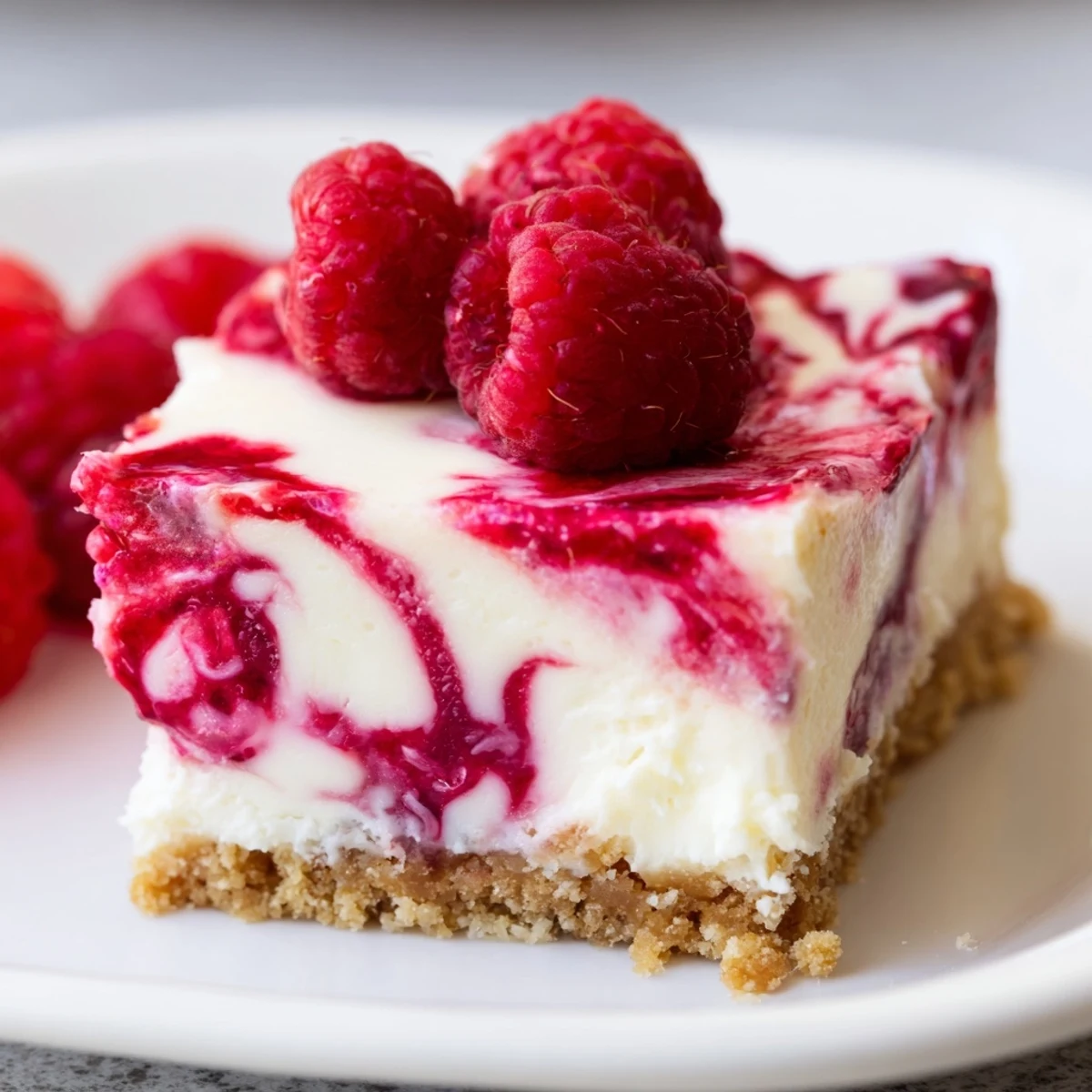
 This creamy raspberry cheesecake features a rich, velvety filling made with cream cheese, sour cream, and vanilla, swirled with tangy fresh raspberry sauce. The base is a buttery graham cracker crust that provides the perfect crunch. Baked in a water bath for the smoothest texture, this dessert needs at least 4 hours of chilling to set properly. The result is an elegant showstopping finale to any meal.
The first time I attempted raspberry swirl cheesecake, I was hosting a dinner party and absolutely panicked about water baths getting into my springform pan. I spent twenty minutes wrapping the exterior in three layers of aluminum foil like I was preparing for a flood. My kitchen smelled incredible—buttery graham crackers mixing with the tart scent of cooking raspberries—while my guests arrived and I was still hovering over the oven, praying I hadn't just ruined dessert.
My grandmother never made cheesecake—she was more of a pie person—but I think she would have appreciated the chemistry of it. The way room temperature ingredients emulsify into something silky and the magic that happens when you bake it low and slow in a water bath. Last summer I made this for a birthday celebration, and watching everyone's eyes close when they took that first bite told me everything about why dessert matters.
Ingredients
- Graham cracker crumbs: The foundation that needs to be pressed firmly into the pan with the bottom of a measuring cup to prevent crumbling later
- Unsalted butter: Melted completely so it coats every crumb evenly for a crust that holds together beautifully
- Cream cheese: Must be genuinely room temperature or you will end up with lumps that no amount of beating can fix
- Sour cream: The secret ingredient that adds a subtle tang and keeps the texture incredibly smooth
- Fresh raspberries: Use ones that give slightly when pressed—overly firm berries lack the intense flavor needed for the swirl
- Eggs: Added one at a time and beaten just enough to incorporate, since overmixing introduces air bubbles that can cause cracking
Instructions
- Prep your pan and create the crust:
- Press the crumb mixture into your springform pan using the bottom of a flat measuring cup, paying special attention to the edges where crusts tend to crumble when you cut slices later.
- Make the raspberry swirl:
- Cook the berries until they completely break down, then push through that sieve—seeds will ruin the silky texture you are working so hard to achieve.
- Beat the filling:
- Mix on medium speed until everything is combined and smooth, scraping down the bowl to catch any cream cheese stuck to the sides.
- Layer and swirl:
- Drop spoonfuls of raspberry sauce over the batter and drag a knife through gently—do not overthink this part, random swirls look the most beautiful.
- Water bath magic:
- Place your wrapped springform in the roasting pan and carefully pour in hot water until it reaches halfway up the side, moving slowly to avoid splashing.
- The low and slow bake:
- Bake until the edges are set but the center still has that gentle wobble—carryover cooking will finish it perfectly as it cools.
 Save to Pinterest
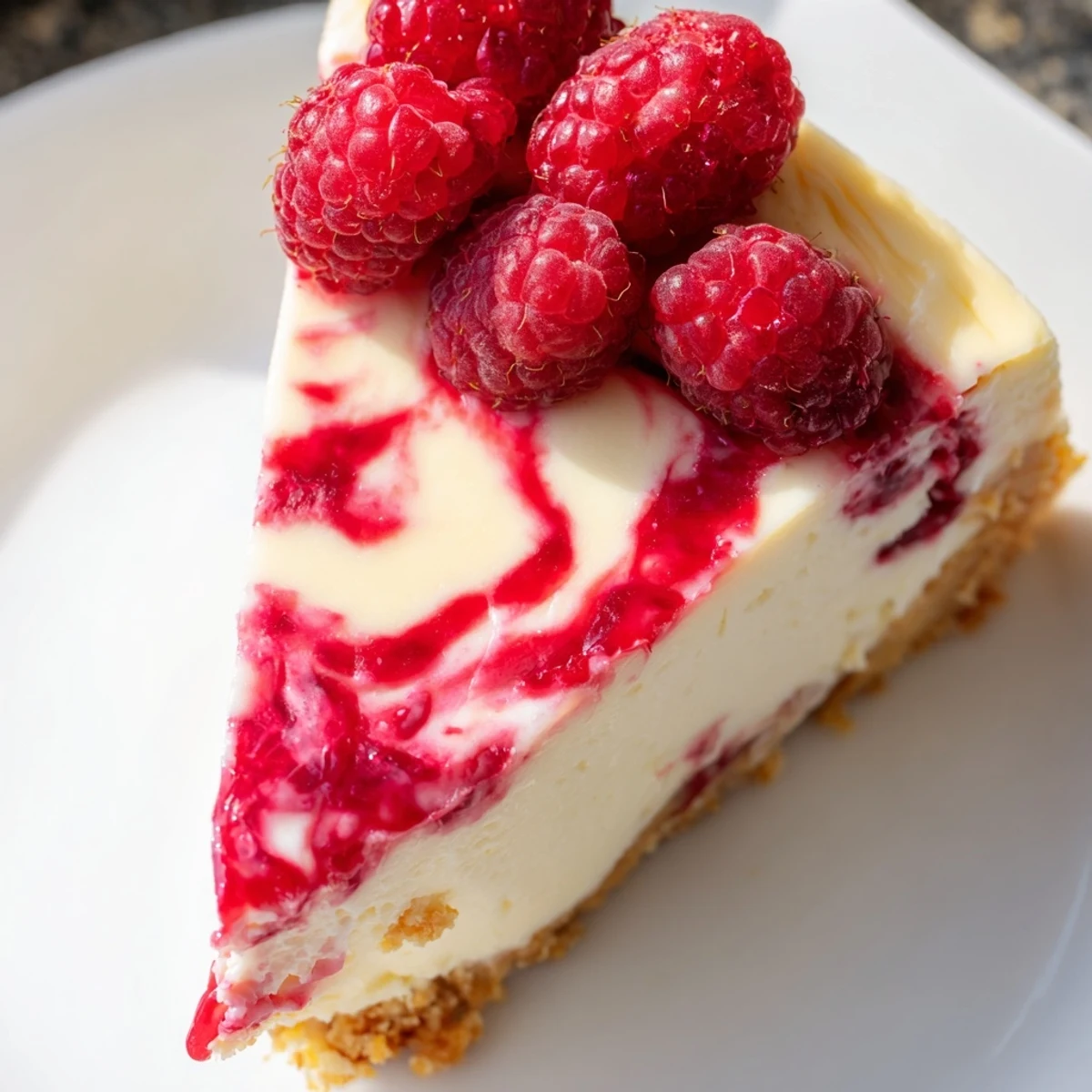
 There is something deeply satisfying about unmolding a perfectly smooth cheesecake after hours of patience. The first time I successfully removed the springform ring without any sticking, I actually did a little victory dance in my kitchen. That moment when you slide the knife through and the crust stays intact, the raspberry swirls are perfectly distributed, and the texture is just right—it makes all those careful steps worth it.
Making It Your Own
I have found that different berries work beautifully in different seasons. Strawberries make a sweeter, more nostalgic swirl that reminds me of childhood, while blackberries create this dramatic dark purple pattern that looks stunning on a holiday table. The technique stays exactly the same, but the mood shifts completely with what is fresh at the market.
The Water Bath Secret
After years of dodging water baths because they seemed intimidating, I finally accepted that they are nonnegotiable for restaurant quality texture. The gentle heat prevents the edges from overcooking before the center sets, and the steam keeps the surface from developing that unappealing dry skin. Once you embrace the extra pan and the careful foil wrapping, there is no going back.
Serving And Storage
This cheesecake actually improves after a full night in the refrigerator—the flavors meld and the texture becomes impossibly creamy. I always make it the day before I plan to serve it.
- Run your knife under hot water between slices for the cleanest cuts
- Let it sit at room temperature for twenty minutes before serving—the flavor comes alive when it is not fridge cold
- Any leftovers can be frozen, though I have never actually had enough left to test this theory
 Save to Pinterest
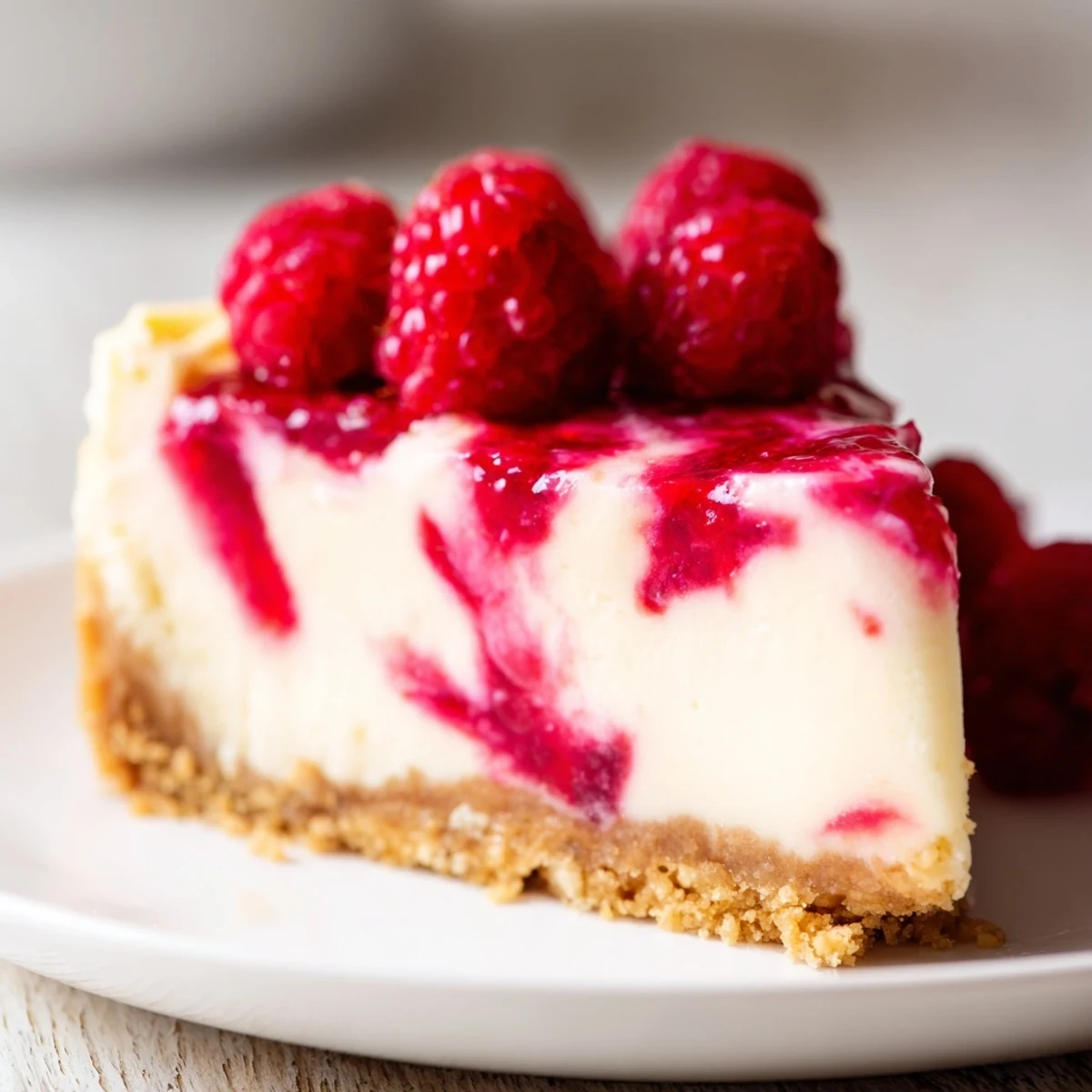
 Some desserts are about technique, but this one is about patience and trusting the process. That first silky, tangy, creamy bite makes every careful step worth repeating.
Recipe FAQs
- → How long should I chill the cheesecake?
-
Refrigerate for at least 4 hours, though overnight chilling yields the best texture and flavor development. This allows the filling to fully set and the flavors to meld together beautifully.
- → Can I use frozen raspberries instead of fresh?
-
Yes, frozen raspberries work well for the swirl sauce. Thaw them completely before cooking, and expect slightly more liquid that may need additional reduction time to reach the right consistency.
- → Why use a water bath when baking?
-
The water bath creates gentle, moist heat that prevents the cheesecake from cracking, promotes even cooking, and ensures that signature velvety smooth texture throughout the filling.
- → What can I substitute for graham crackers?
-
Digestive biscuits, vanilla wafers, or even gluten-free cookies make excellent alternatives. Simply crush them finely and combine with melted butter and sugar as directed in the crust instructions.
- → How do I know when the cheesecake is done baking?
-
The edges should appear set and slightly puffed, while the center retains a gentle wobble like gelatin when the pan is gently shaken. It will continue firming up as it cools.