
 Save to Pinterest
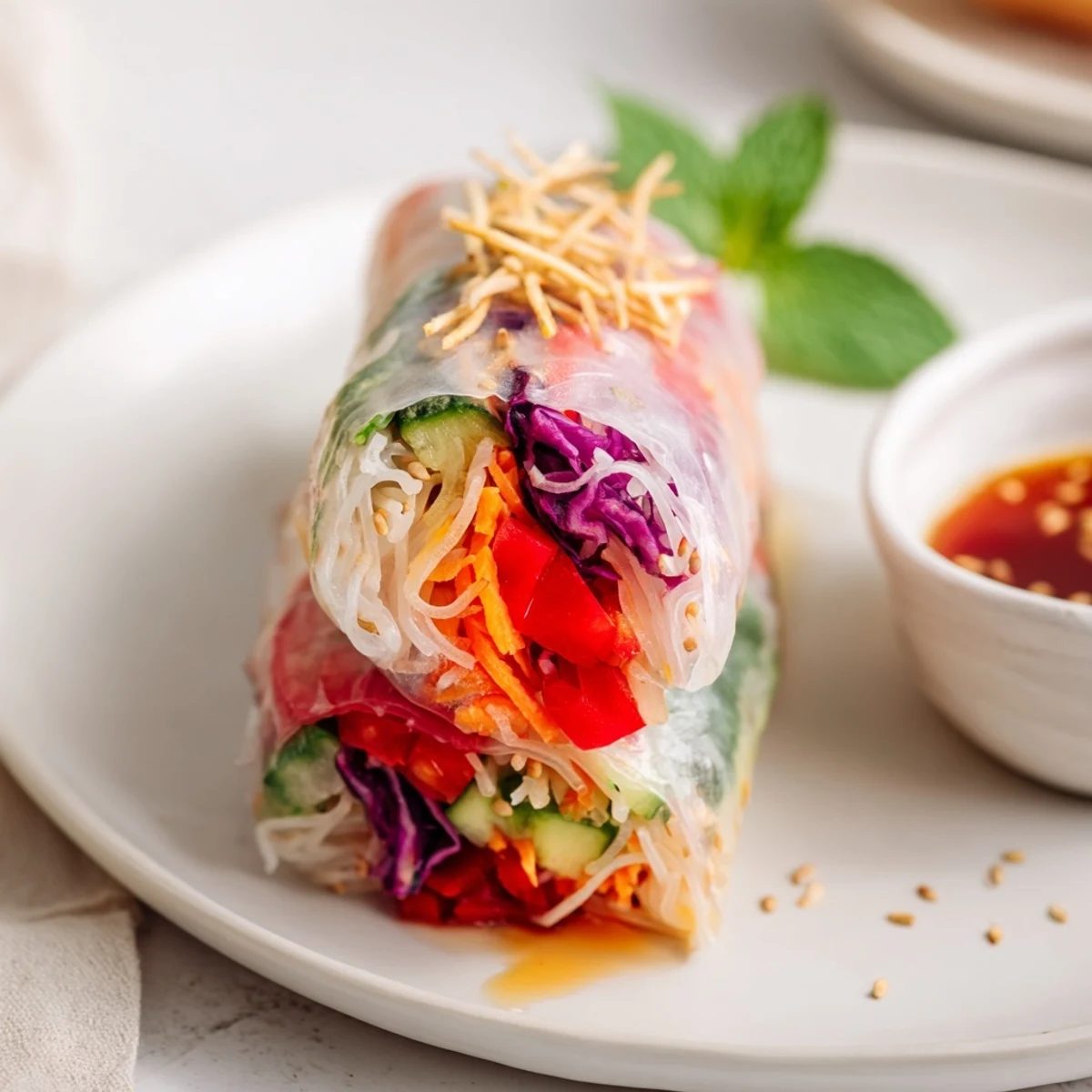
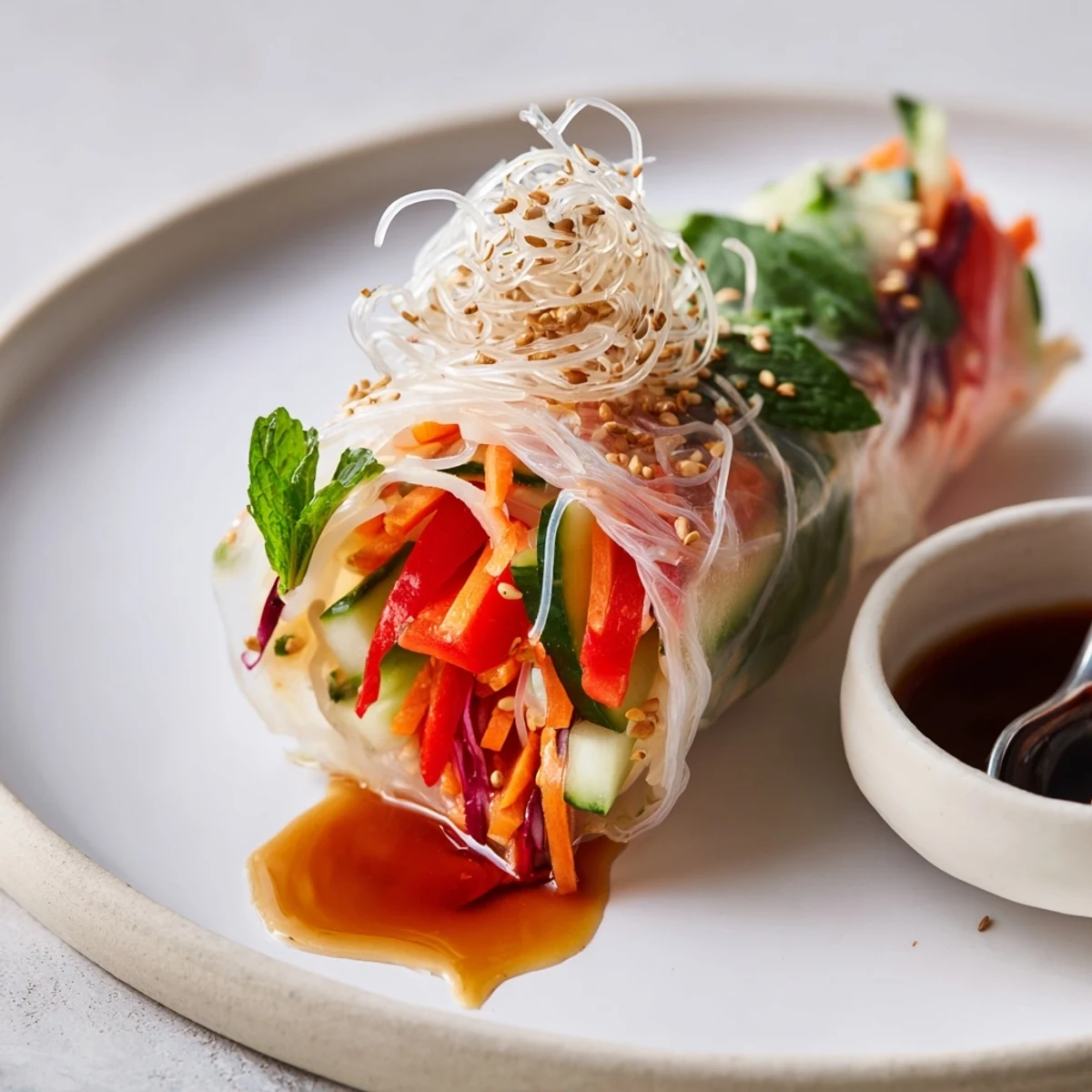
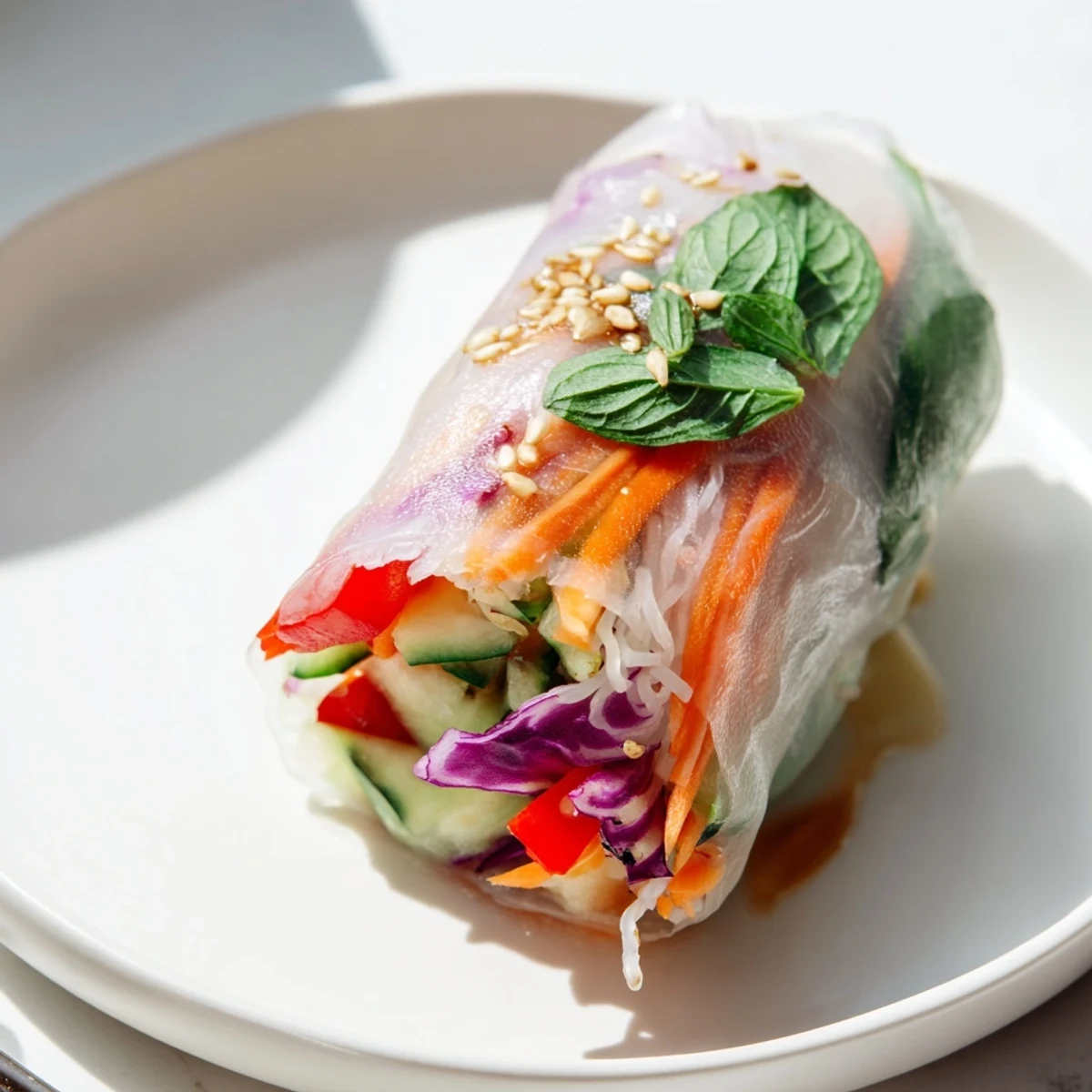
 These gluten-free vegetable spring rolls combine julienned carrot, cucumber, red bell pepper, shredded red cabbage and fresh mint, cilantro and basil, optionally with cooked vermicelli noodles. Soak rice paper briefly, layer fillings, tuck and roll tightly. Mix tamari, rice vinegar, lime juice, maple and toasted sesame oil for a bright dipping sauce. Serve immediately for best texture; garnish with sesame seeds.
The sound of rice paper crackling as it hits warm water is oddly satisfying, like a tiny promise unfolding right on your countertop. These gluten-free vegetable spring rolls came into my life during a sweltering July when turning on the stove felt like a personal attack. Now they are my go-to whenever I want something vibrant and fresh without any fuss.
My friend Lena stood in my kitchen one afternoon, wrist-deep in shredded cabbage, laughing at how terrible her first attempt at rolling was. By the fourth one she had found her rhythm, and we spent the rest of the evening eating spring rolls on the floor because the table felt too formal for food this joyful.
Ingredients
- 1 medium carrot, julienned: Cut them thin and uniform so every bite has a satisfying crunch without overwhelming the roll.
- 1/2 cucumber, julienned: English cucumber works best here because the fewer seeds mean less moisture inside your wrapper.
- 1 red bell pepper, thinly sliced: This brings a sweetness that balances the earthy herbs and the tangy dipping sauce.
- 1 cup red cabbage, shredded: The purple hue bleeds beautifully into the translucent rice paper, making each roll look like stained glass.
- 1/2 cup fresh mint leaves: Do not skip this, as mint is the quiet hero that makes everything taste brighter and more alive.
- 1/2 cup fresh cilantro leaves: If you are one of those people who taste soap, flat-leaf parsley can step in without ruining the spirit of the roll.
- 1/2 cup fresh basil leaves: Thai basil is ideal but regular basil still brings that warm, slightly sweet perfume.
- 8 gluten-free rice paper wrappers: Check the packaging carefully because not all brands are certified gluten-free even though rice is naturally safe.
- 1 cup cooked vermicelli rice noodles (optional): They add substance and turn an appetizer into something closer to a real meal.
- 1 tablespoon sesame seeds (optional, for garnish): A sprinkle on the serving plate adds a nutty finish and a little visual charm.
- 3 tablespoons gluten-free soy sauce or tamari: Tamari has a richer, rounder flavor than standard soy sauce and keeps things gluten-free.
- 1 tablespoon rice vinegar: This gentle acidity lifts the whole sauce and keeps it from feeling heavy.
- 1 tablespoon lime juice: Fresh is the only way to go here, and a squeeze bottle in the fridge means you are always ready.
- 1 tablespoon maple syrup or honey: A touch of sweetness rounds out the salty and sour elements perfectly.
- 1 teaspoon toasted sesame oil: Just a small amount gives the dipping sauce that unmistakable Asian fragrance.
- 1 teaspoon grated ginger: Freshly grated beats dried powder every time for a sauce like this.
- 1 clove garlic, finely minced: Smash it first with the flat side of your knife to make mincing effortless.
- 1 tablespoon water: This thins the sauce just enough for dipping without diluting the flavor.
Instructions
- Prep your vegetables and noodles:
- Juliienne and slice all vegetables into thin, even pieces and cook the rice vermicelli according to the package if you are using them. Lay everything out in little piles on your cutting board like a colorful assembly line.
- Soften the rice paper:
- Fill a large shallow dish with warm water and dip one wrapper for about 10 to 15 seconds until it just becomes pliable but is not floppy. Gently lay it flat on a damp kitchen towel and work quickly before it sticks.
- Build the filling:
- Place a small handful of noodles and a generous selection of vegetables and herbs in the center of the wrapper, leaving about an inch of space around the edges. Less is more here because overstuffing leads to torn paper and frustration.
- Roll it up tight:
- Fold the bottom edge up and over the filling, fold in both sides snugly, then continue rolling away from you until sealed. Think of it like tucking a tiny blanket around a sleeping baby.
- Finish the remaining rolls:
- Repeat with each wrapper, keeping finished rolls under a barely damp paper towel so they do not dry out while you work. Space them slightly apart so they do not stick to each other.
- Whisk together the dipping sauce:
- Combine tamari, rice vinegar, lime juice, maple syrup, sesame oil, ginger, garlic, and water in a small bowl and stir until the honey or syrup dissolves completely. Taste it and adjust if you want more lime or a touch more sweetness.
- Serve and enjoy:
- Arrange the rolls on a plate, scatter sesame seeds over the top, and set the dipping sauce in the center. Serve them right away because these are at their peak beauty and texture within the first hour.
 Save to Pinterest
 There is something quietly meditative about the repetition of dipping, filling, folding, and rolling that makes this recipe feel less like cooking and more like pressing pause on a loud day.
Choosing the Right Rice Paper
Not all rice paper is created equal, and after tearing through many brands I have learned that the thinner ones from Vietnamese markets tend to be the most forgiving. Look for wrappers that feel slightly brittle in the package because that firmness translates to elasticity once hydrated.
Mixing Up the Fillings
Avocado slices, mango matchsticks, or quick-pickled daikon all find a happy home inside these rolls. Let whatever looks good at the farmers market guide your choices rather than treating the ingredient list like a strict rule.
Storing and Serving Leftovers
These rolls are at their best the moment they are made, but if you must store them, wrap each one individually in damp paper towels and keep them in an airtight container in the fridge for up to one day.
- A light coating of water on your hands prevents sticking when you move them to a serving plate.
- Cover the serving platter with lettuce leaves first to create a nonstick surface that looks pretty.
- Always serve the dipping sauce in a wide, shallow bowl rather than a narrow one so guests can dip without smashing their rolls.
 Save to Pinterest
 Roll up a batch next time you want something light, colorful, and quietly impressive. They are proof that the simplest food, made with fresh ingredients and a patient hand, is always the most satisfying.
Recipe FAQs
- → How do I prevent rice paper from tearing or sticking?
-
Soak each wrapper very briefly in warm water until just pliable (10–15 seconds). Lay it flat on a damp towel, work on a slightly moistened surface, and avoid overfilling. Tuck the sides in as you roll to keep the filling compact and reduce stress on the wrapper.
- → Can I make these fully gluten-free?
-
Yes. Use certified gluten-free rice paper and tamari or gluten-free soy sauce for the dipping sauce. Check labels on vermicelli and other packaged ingredients to ensure they are labeled gluten-free.
- → Which vegetables work best in the rolls?
-
Choose crisp, thin-cut vegetables that hold up without extra moisture: julienned carrot, cucumber, bell pepper, shredded cabbage. Add avocado, lettuce or sprouts for creaminess and texture contrast.
- → How can I add protein to the rolls?
-
Add strips of pressed, pan-seared tofu, grilled tempeh, or cooked shrimp for protein. Marinate tofu briefly in tamari and sesame oil, then sear for extra flavor and a pleasant bite.
- → What’s the best way to store leftovers?
-
These are best eaten fresh. If needed, wrap each roll loosely in a damp paper towel and place in an airtight container in the fridge for a few hours. Note that rice paper will firm and may become chewier over time.
- → How do I make the dipping sauce creamy and balanced?
-
Whisk tamari, rice vinegar, lime juice, maple syrup (or honey), toasted sesame oil, grated ginger and minced garlic. Add a little water to loosen. For creaminess, stir in a small spoonful of peanut butter or tahini and adjust acidity and sweetness to taste.