
 Save to Pinterest
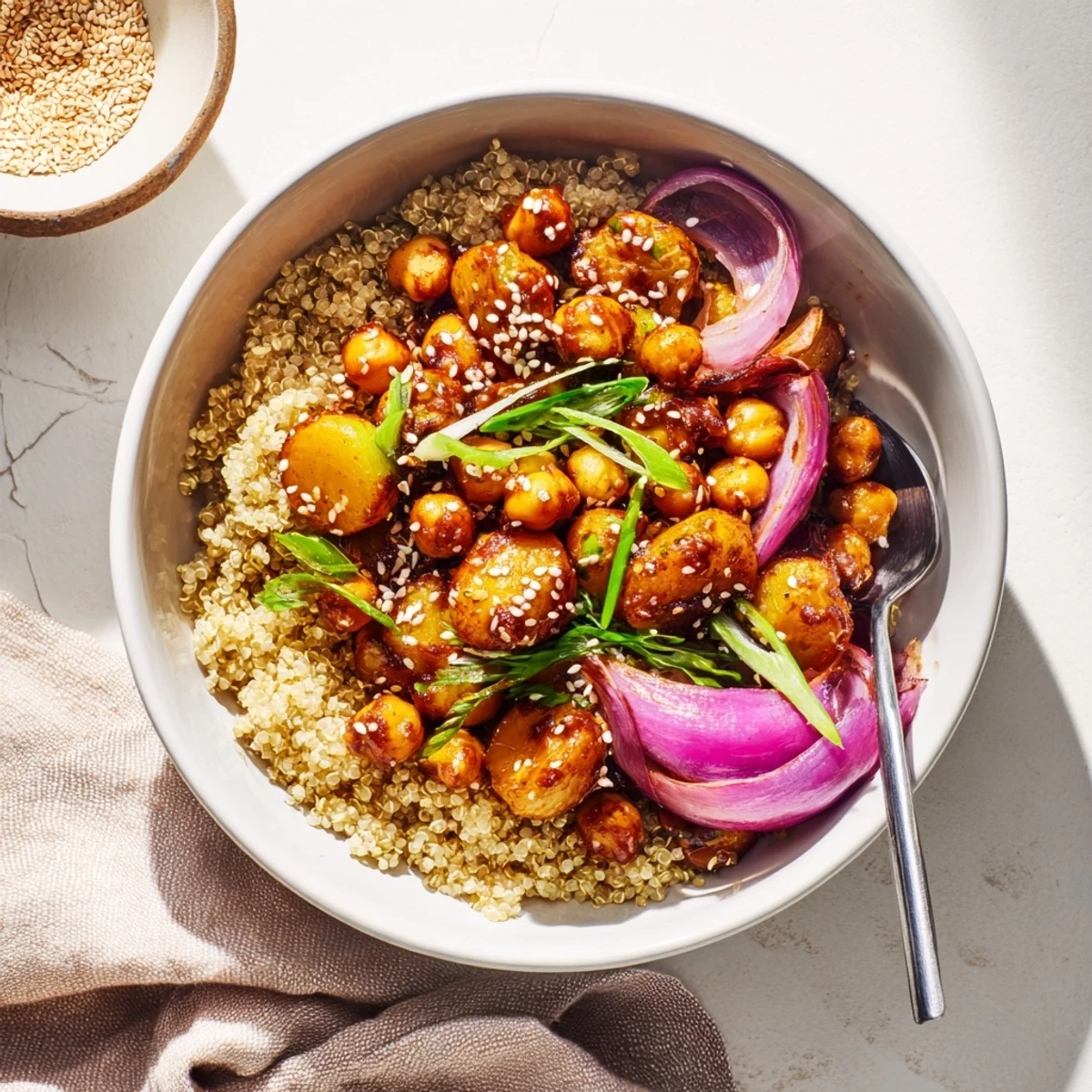
 This vibrant Korean-inspired bowl combines crispy roasted baby potatoes and golden chickpeas coated in a homemade spicy-sweet gochujang glaze. The savory mixture rests over a bed of fluffy quinoa, creating a satisfying 55-minute meal that's naturally vegan and packed with plant-based protein.
The homemade sauce blends gochujang Korean chili paste with soy sauce, sesame oil, rice vinegar, and maple syrup for that perfect balance of heat and sweetness. Everything roasts together until the potatoes develop crispy edges, then gets tossed in the skillet with red onion for extra depth.
Perfect for meal prep and easily customizable with steamed greens or your favorite crunchy toppings like toasted sesame seeds and fresh spring onions.
Last winter, I discovered gochujang paste at my local Korean market and immediately started experimenting with it in everything. This bowl became my weeknight salvation when I wanted something warming but not heavy. The way the spicy, sweet glaze clings to crispy potatoes still makes my kitchen smell incredible.
My roommate walked in while I was tossing the roasted vegetables in that glossy red sauce and literally hovered over the stove until it was ready. We ended up eating straight from the skillet, burning our tongues because we couldnt wait. Now its the most requested dish whenever friends come over for casual dinner nights.
Ingredients
- 500 g baby potatoes, halved: Baby potatoes roast beautifully and hold their shape, creating creamy interiors and crispy edges that soak up the glaze
- 1 can chickpeas, drained and rinsed: These add protein and become wonderfully crunchy when roasted, creating texture contrast in every bite
- 1 small red onion, sliced: Red onion mellows out when cooked and adds a subtle sweetness that balances the heat
- 2 cloves garlic, minced: Toss these with the potatoes before roasting so they caramelize and infuse everything with flavor
- 200 g quinoa, rinsed: A fluffy, neutral base that lets the bold flavors shine while adding complete protein
- 3 tbsp gochujang: The star of the show, Korean chili paste brings deep umami and a heat that builds rather than overwhelms
- 2 tbsp soy sauce or tamari: Adds saltiness and depth, tamari keeps it glutenfree if needed
- 1 tbsp sesame oil: A little goes a long way, that nutty aroma is essential to the Koreaninspired flavor profile
- 1 tbsp rice vinegar: Cuts through the richness and brightens the glaze
- 1 tbsp maple syrup or agave: Tames the heat and helps the sauce cling to every surface
- 2 tbsp olive oil: For roasting the vegetables until theyre golden and crispy
- Salt and pepper, to taste: Enhances all the other flavors without competing
- 1 tbsp toasted sesame seeds, for garnish: That final crunch and presentation touch makes it feel restaurantworthy
- 2 spring onions, sliced, for garnish: Fresh onion flavor and a pop of color against the deep red glaze
Instructions
- Get your oven going:
- Preheat to 220°C (425°F) and line a baking tray with parchment paper for easy cleanup later.
- Roast the potatoes and chickpeas:
- Toss the halved potatoes, drained chickpeas, olive oil, salt, pepper, and minced garlic until everything is coated. Spread them evenly on your prepared tray and roast for 25 to 30 minutes, giving them a stir halfway through, until the potatoes are crispy and the chickpeas are golden.
- Cook the quinoa:
- While the vegetables roast, combine rinsed quinoa and 2 cups water in a saucepan. Bring to a boil, then reduce heat to low, cover, and simmer for about 15 minutes until the water is absorbed. Remove from heat and let it sit, covered, for 5 minutes before fluffing with a fork.
- Whisk up the glaze:
- In a small bowl, combine gochujang, soy sauce, sesame oil, rice vinegar, maple syrup, and water. Whisk until completely smooth and glossy.
- Bring it all together:
- Heat a large skillet over medium heat and sauté the sliced red onion for 2 to 3 minutes until softened. Add the roasted potatoes and chickpeas to the skillet, pour in the gochujang sauce, and toss until everything is coated and heated through, about 2 to 3 minutes.
- Assemble and serve:
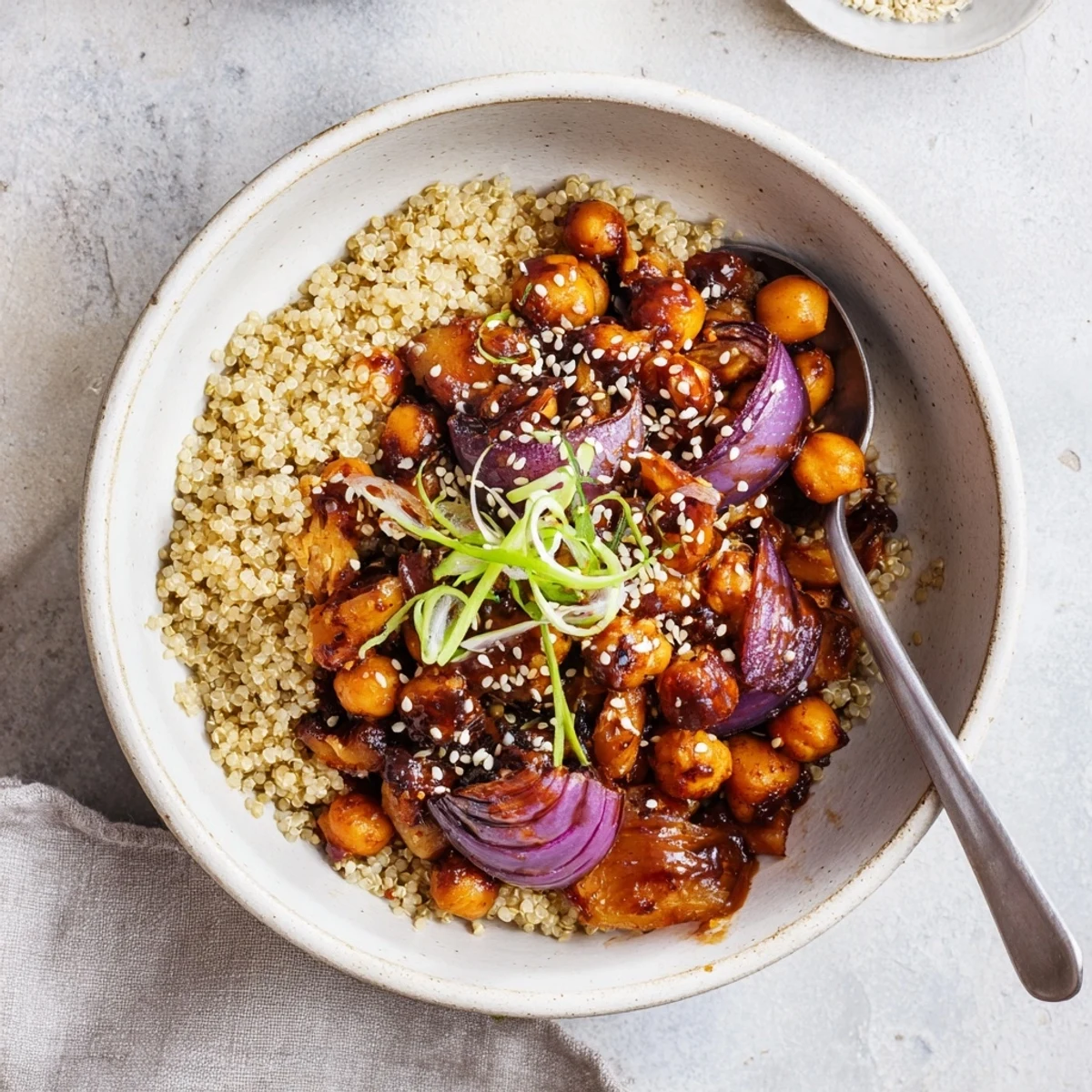
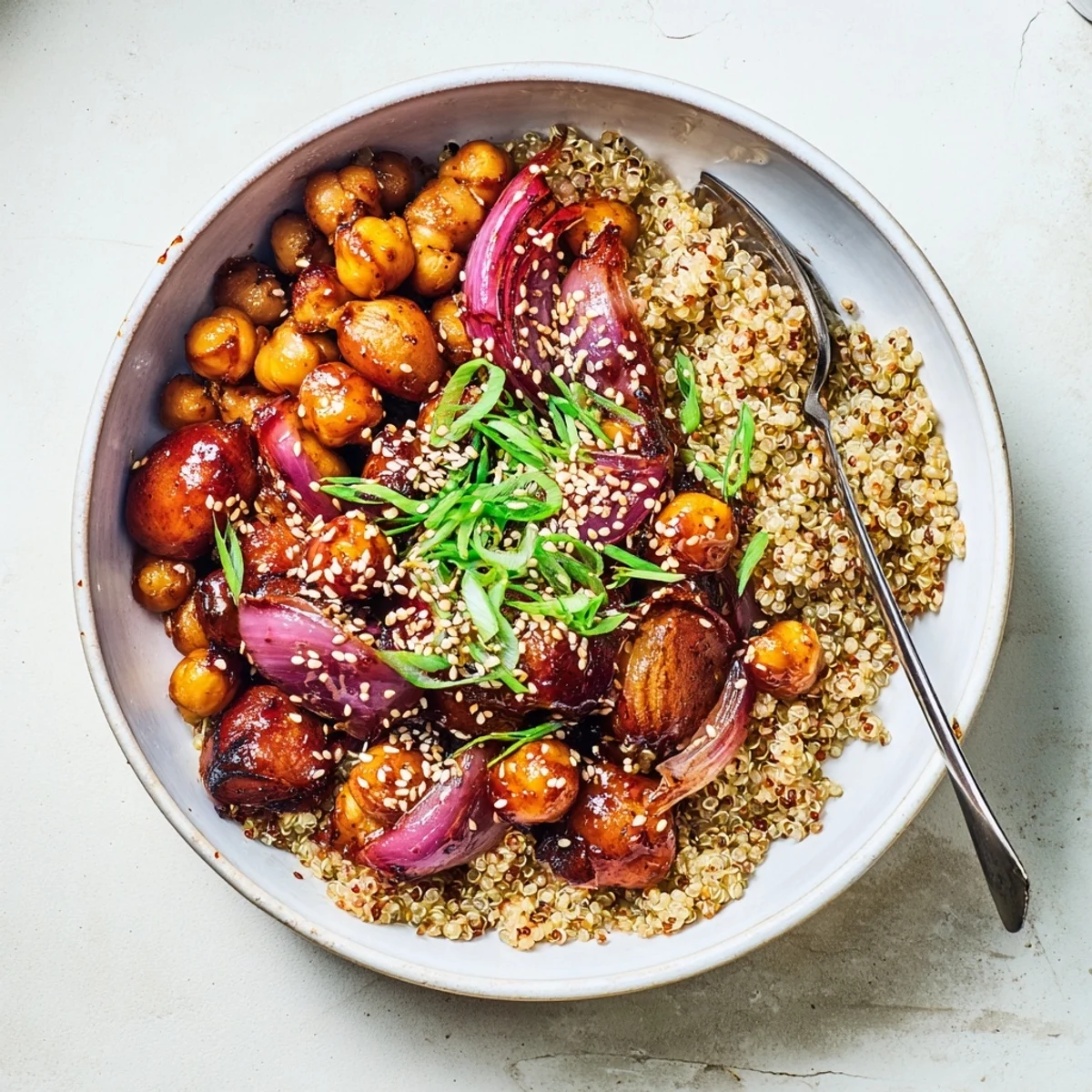
- Divide the fluffy quinoa among bowls and top generously with the glazed vegetables. Sprinkle with toasted sesame seeds and fresh spring onions right before serving.
 Save to Pinterest
 This recipe was born on a Tuesday when I had nothing in the fridge but random pantry staples and a lingering jar of gochujang. Now its the dish I make when I need to convince myself that healthy food can be exciting. Something about that combination of textures and flavors just works.
Making It Your Own
Ive found that adding steamed broccoli or spinach right at the end turns this into a complete onebowl meal without extra effort. The greens soak up that extra sauce at the bottom of the skillet. Sometimes I throw in roasted peanuts for crunch or swap quinoa for brown rice when I want something more substantial.
Meal Prep Magic
This recipe scales perfectly and keeps beautifully for days. I make a big batch on Sundays and portion it into containers for lunches. The flavors actually develop and deepen overnight, so Tuesdays version might be even better than Sundays. Just pack the garnishes separately and add them right before eating.
Serving Suggestions
A cool cucumber salad on the side balances the heat perfectly, or try it with some quick pickled vegetables for extra brightness. This also works great as a filling for lettuce wraps if you want to skip the grains. The sauce is versatile enough that you could toss it with noodles instead of quinoa for a completely different meal.
- Start the quinoa first since it takes the longest active attention
- Cut your potatoes into uniform sizes so they roast evenly
- Double the glaze if you love sauce, it keeps in the fridge for weeks
 Save to Pinterest
 I hope this becomes your goto for nights when you want something that feels special but comes together easily. Its the kind of bowl that makes you feel like you really know your way around flavors.
Recipe FAQs
- → What does gochujang taste like?
-
Gochujang delivers a complex balance of savory, sweet, and spicy flavors. The fermented Korean chili paste has deep umami notes from soybeans, a natural sweetness from rice, and a moderate heat that builds gradually.
- → Can I make this bowl gluten-free?
-
Absolutely. Use tamari instead of regular soy sauce, and ensure your gochujang is certified gluten-free as some brands contain wheat. The remaining ingredients including potatoes, chickpeas, quinoa, and sesame oil are naturally gluten-free.
- → How spicy is this dish?
-
The spice level is moderate and adjustable. Gochujang typically ranges from mild to medium heat, and the maple syrup helps temper the intensity. Start with less gochujang if you're sensitive to spice, or add extra for those who enjoy bold heat.
- → Can I prepare components in advance?
-
Yes, the quinoa and roasted vegetables can be cooked up to 3 days ahead and stored separately. Reheat the potatoes and chickpeas in a skillet, then toss with fresh gochujang sauce just before serving for the best texture and flavor.
- → What grain alternatives work well?
-
Brown rice, farro, or cauliflower rice all make excellent substitutes for quinoa. Adjust cooking times accordingly—brown rice takes about 45 minutes, while cauliflower rice needs just 5-8 minutes to become tender.
- → How can I add more protein?
-
While chickpeas provide solid plant-based protein, you can add roasted tofu, edamame, or tempeh cubes. For non-vegan options, a fried egg or grilled chicken breast pairs beautifully with the spicy glaze.