
 Save to Pinterest
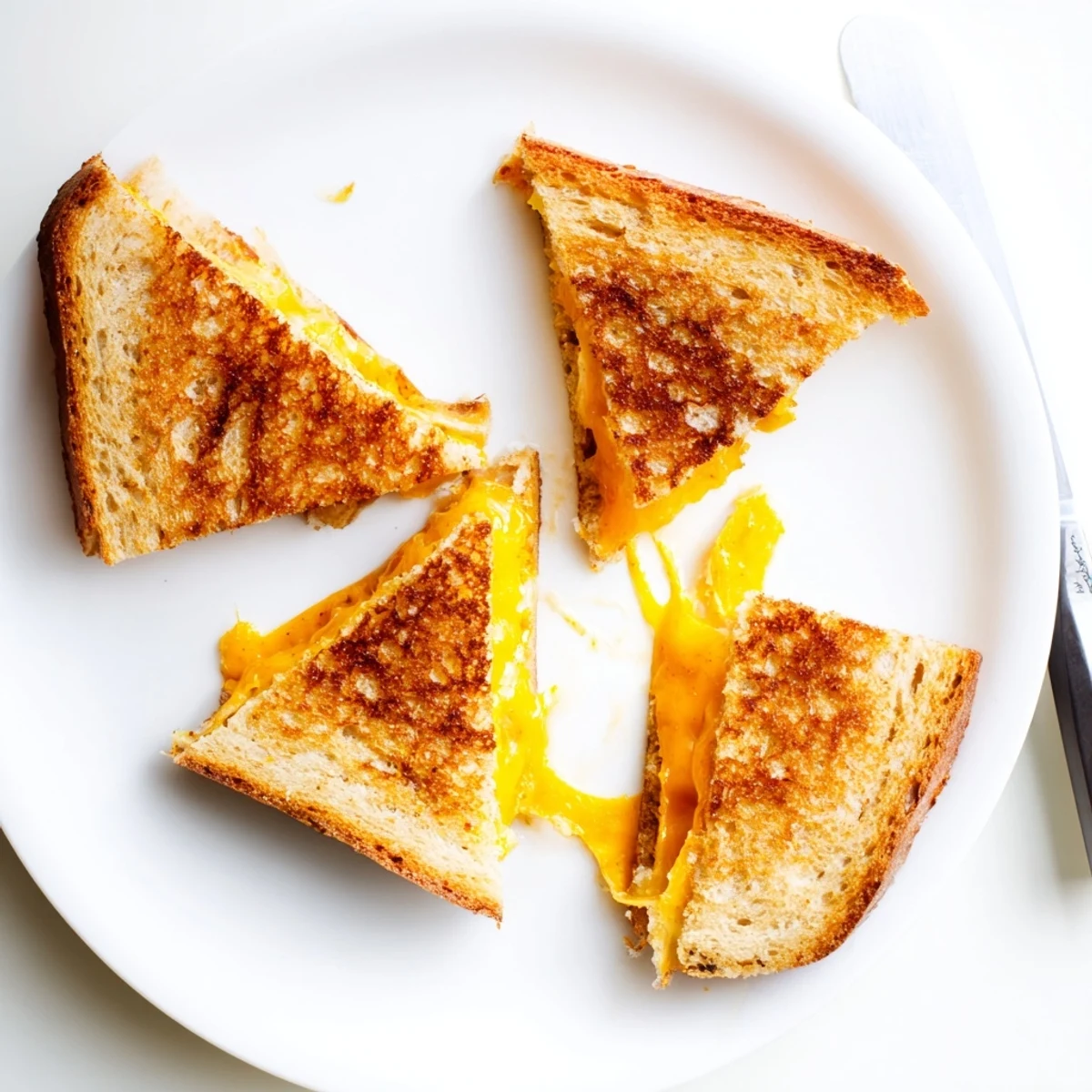
 This beloved American classic transforms simple ingredients into something magical. Golden buttery bread encases perfectly melted cheddar, creating that irresistible crunch when you bite down. The technique is straightforward but requires patience—medium heat ensures the bread crisps beautifully while giving the cheese time to melt completely.
Ready in just 13 minutes from start to finish, this comfort food staple delivers satisfaction in every bite. The key is spreading softened butter evenly and cooking patiently for 3-4 minutes per side until deep golden brown develops. Letting it rest briefly before cutting helps the cheese set slightly, making for cleaner slices.
The smell of butter hitting a hot skillet takes me back to rainy Tuesday afternoons in my college apartment, when a grilled cheese felt like the greatest luxury in the world. I've learned since that the difference between decent and incredible comes down to patience and temperature control. My roommate used to burn hers every single time, mostly because she couldn't resist peeking underneath every thirty seconds.
Last winter my daughter had a terrible cold and refused to eat anything for days until I made grilled cheese with that perfect golden crunch. She took one bite and whispered that she could finally taste things again. Now whenever she's feeling under the weather, this is the first request.
Ingredients
- Sandwich bread: White bread gives the most nostalgic crunch, but sourdough adds a tangy depth that makes this feel gourmet
- Cheddar cheese: Young cheddar melts better than aged, though gruyere creates the most gorgeous cheese pull
- Unsalted butter: Softened to room temperature so it spreads evenly without tearing the bread
Instructions
- Butter your bread:
- Spread butter generously on one side of each slice, going all the way to the edges so every bit gets golden and crisp
- Build your sandwiches:
- Place two slices butter side down, layer cheese generously, then top with remaining bread, butter facing out
- Get your pan ready:
- Heat a skillet over medium heat until a drop of water sizzles and dances across the surface
- Cook to perfection:
- Add sandwiches and let them cook undisturbed for 3 to 4 minutes per side until deep golden brown and cheese is completely melted
- Let them rest:
- Wait 1 minute before cutting so the cheese sets slightly and doesn't ooze out completely
 Save to Pinterest
 This recipe became a Friday tradition in our house during the pandemic. We'd set up a little assembly line and everyone could customize their own. Those simple moments saved us through some pretty dark weeks.
Choosing Your Cheese
I've tried countless combinations over the years and found that mixing sharp cheddar with something creamy like gruyere gives the best flavor and melt. American cheese gets a bad reputation but it actually melts better than almost anything else. Just don't use pre shredded cheese, the anti caking coating makes it grainy instead of smooth.
The Butter Secret
My friend's grandmother taught me to mix softened butter with a tiny bit of mayonnaise for the outside spread. The mayonnaise has a higher smoke point and creates this impossibly crispy, almost fried exterior. Everyone who tries it swears there's some restaurant secret involved.
Serving Suggestions
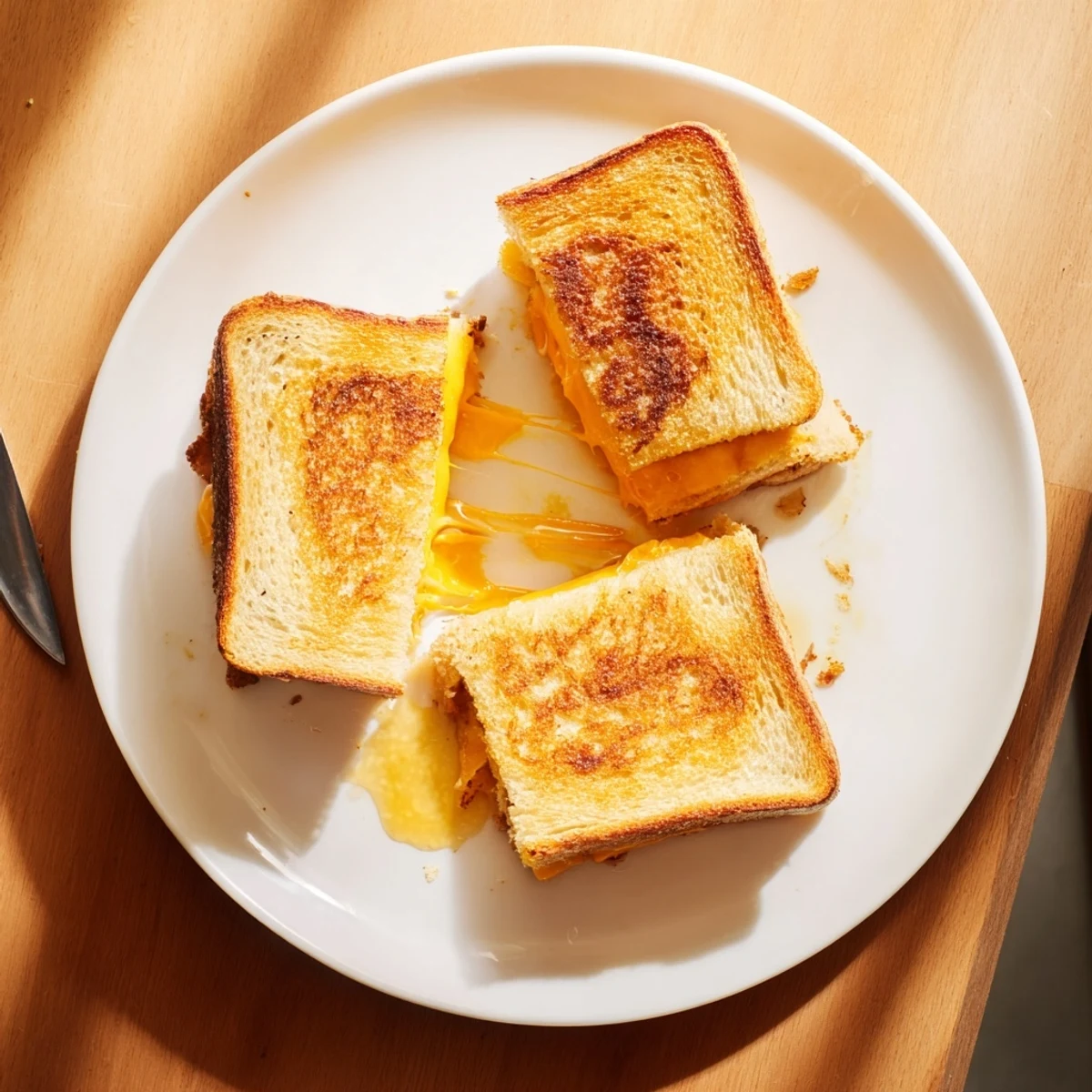
A classic grilled cheese deserves its perfect partner, which is obviously tomato soup for dipping. But sometimes I cut them into small triangles and serve them with a simple green salad for lunch. The key is cutting the sandwich while it's still hot enough to stretch when you pull the pieces apart.
- Try adding thinly sliced apples or pears inside for a sweet contrast
- A sprinkle of everything bagel seasoning on the buttered side changes everything
- Dipping in onion soup instead of tomato soup feels sophisticated and cozy
 Save to Pinterest
 Sometimes the simplest recipes are the ones that stick with us longest, carrying memories in every crispy bite. I hope this becomes your go to comfort food too.
Recipe FAQs
- → What type of cheese works best for melting?
-
Cheddar is classic for its sharp flavor and excellent melting properties. Other great options include American, Provolone, Gruyère, or Monterey Jack. You can also blend multiple cheeses for more complex flavor. Avoid fresh cheeses like mozzarella that release too much water when melted.
- → Why use softened butter instead of melted?
-
Softened butter spreads evenly across the bread surface, ensuring consistent browning and crisping. Melted butter tends to soak into the bread rather than coating the exterior, which can make the sandwich soggy rather than crispy. Softened butter creates that perfect golden crust.
- → How do I prevent burning the bread before cheese melts?
-
Keep the heat at medium rather than medium-high or high. This gives the cheese time to melt while the bread gradually crisps. You can also cover the pan for the first minute or two to trap heat and help melting. Pressing gently with the spatula ensures good contact between bread and cooking surface.
- → What bread varieties work well?
-
Sourdough creates excellent texture and tangy flavor. White bread offers classic diner style and crisps beautifully. Whole grain adds nuttiness but may require slightly lower heat to prevent burning. Avoid very fresh bakery bread that's too soft—slightly sturdier slices hold up better to flipping.
- → Can I make this ahead or reheat?
-
Best enjoyed immediately for optimal texture and cheese consistency. If reheating, avoid the microwave which makes bread soggy. Instead, use a toaster oven or regular oven at 350°F for a few minutes to recrisp the exterior while rewarming the interior. Alternatively, quickly pan-fry again to restore crunch.
- → What variations can I try?
-
Add sliced tomatoes for acidity and moisture. Layer ham or turkey for protein. Spread Dijon mustard or pesto inside before assembling. Sprinkle herbs like thyme or rosemary into the butter. Try different cheese combinations or add caramelized onions for sweetness. The possibilities are endless while keeping the core technique the same.