
 Save to Pinterest
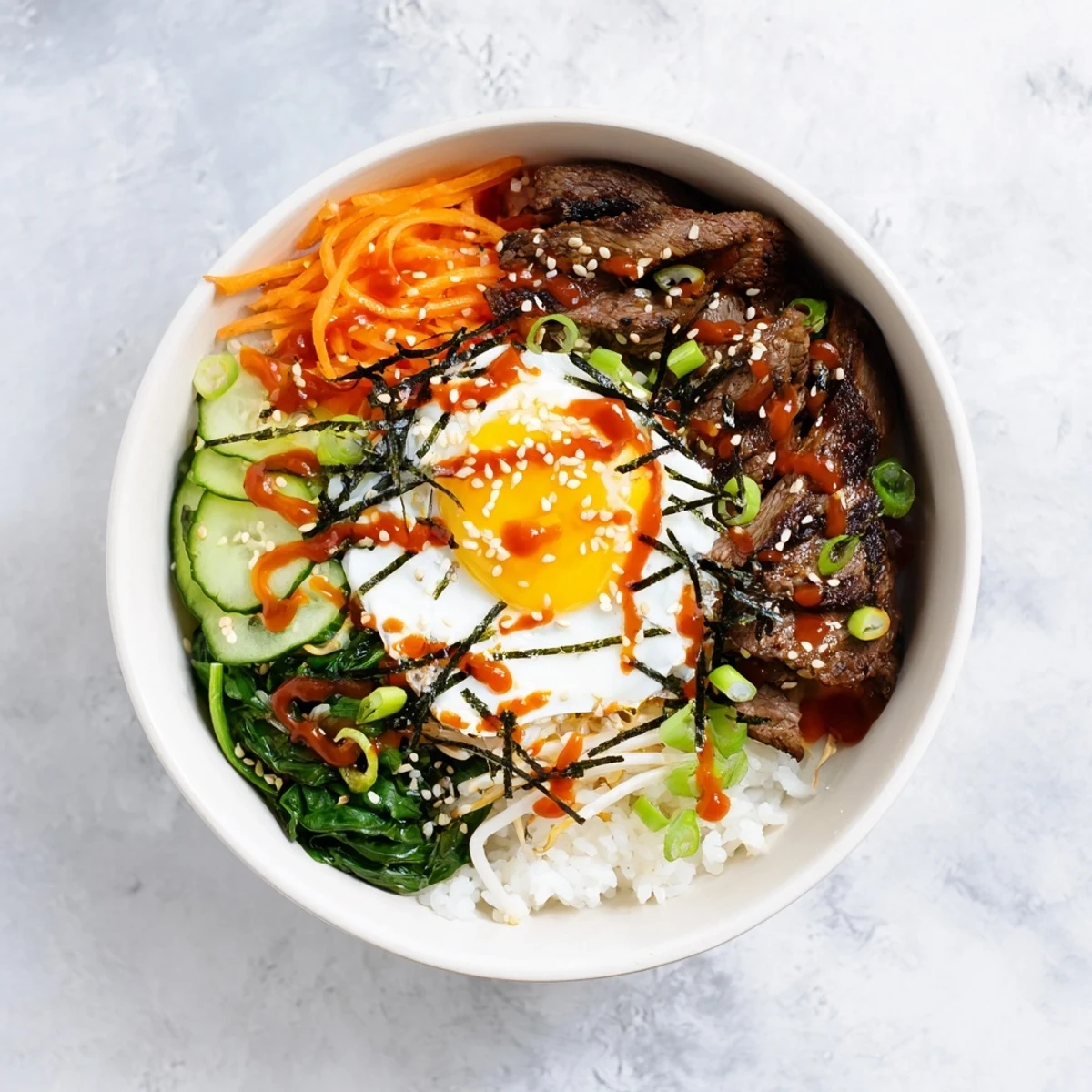
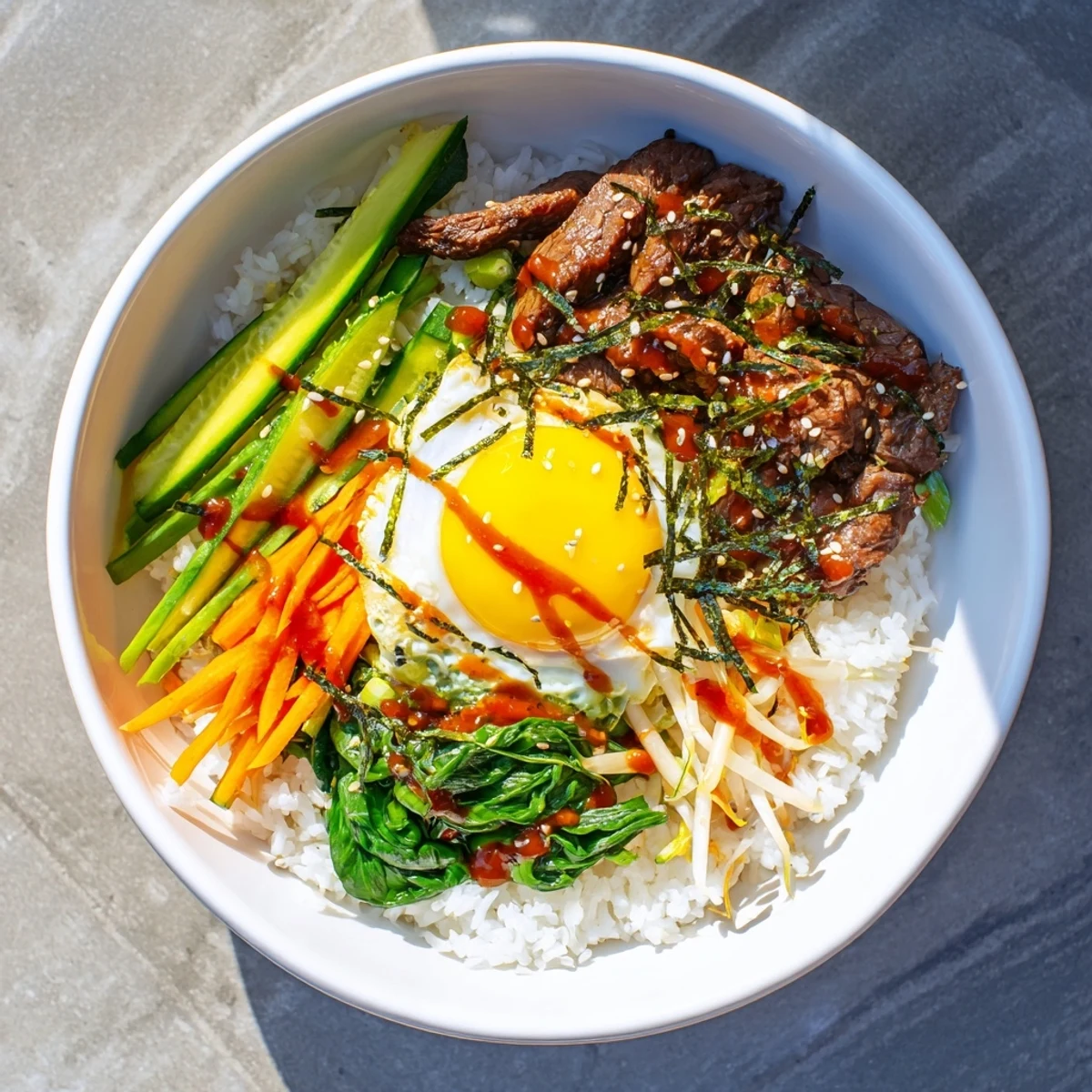
 This hearty morning bowl combines thinly sliced beef marinated in soy, ginger, and garlic, seared until caramelized and tender. The base of warm short-grain rice is topped with an array of vegetables—wilted spinach, crunchy carrot, refreshing cucumber, and blanched bean sprouts—arranged in colorful sections. A sunny-side-up egg with a golden runny yolk crowns the bowl, while a homemade gochujang sauce adds layers of sweet, spicy, and savory notes. The dish comes together in just 40 minutes and serves two people generously.
The morning I first made this bowl was actually by accident. I had leftover rice from the night before and some thin-sliced beef I did not know what to do with. The combination ended up being so satisfying that it became my go-to breakfast ever since. There is something about the runny yolk mixing with that spicy-sweet sauce that just wakes everything up.
Last winter my roommate walked into the kitchen while I was frying the eggs and asked what smelled so incredible. Now we make this together every Sunday morning, taking turns with the vegetable prep. It has turned into this little weekend ritual we both look forward to.
Ingredients
- 200 g beef sirloin or ribeye, thinly sliced: Thin slices cook quickly and absorb the marinade beautifully. Ask your butcher to slice it if you can not get it thin enough at home.
- 1 tbsp soy sauce: This provides the salty base for the beef marinade. Use a good quality soy sauce for the best flavor.
- 1 tsp sesame oil: A little goes a long way. This toasty oil adds authentic Korean flavor to the beef.
- 1 tsp brown sugar: Helps balance the saltiness and aids in caramelization when the beef hits the hot pan.
- 1 clove garlic, minced: Fresh garlic is non-negotiable here. It adds that aromatic kick that makes everything taste better.
- ½ tsp grated ginger: Grate fresh ginger instead of using powdered. It makes a huge difference in the final flavor.
- 1 tsp rice vinegar: Adds a subtle acidity that brightens the entire dish.
- 1 cup baby spinach: Wilts down quickly and adds a nice fresh element. Fresh spinach works better than frozen here.
- 1 small carrot, julienned: Provides a sweet crunch and beautiful color contrast against the rice and beef.
- ½ cup cucumber, thinly sliced: Adds a cool, refreshing element that balances the warm components.
- ½ cup bean sprouts: These add a satisfying crunch and are traditional in Korean rice bowls.
- 2 green onions, sliced: Use both the white and green parts for the best flavor and color.
- 2 cups cooked short-grain white rice: Short-grain rice is essential because it sticks together slightly. Use warm rice for the best texture.
- 2 large eggs: Free-range or organic eggs really shine here since they are a focal point of the dish.
- 2 tbsp gochujang: This Korean chili paste is the soul of the dish. It adds heat, sweetness, and depth.
- 1 tbsp honey or sugar: Balances the heat from the gochujang and makes the sauce pourable.
- 1 tbsp water: Thins the sauce to the perfect drizzling consistency.
- 1 tsp sesame oil: Adds that signature toasty finish to the sauce.
- 1 tsp rice vinegar: Cuts through the richness of the egg and beef.
- 1 tbsp toasted sesame seeds: Toast them in a dry pan for 2 minutes first. The flavor difference is worth the extra step.
- 1 sheet nori, cut into thin strips: Optional but adds a wonderful ocean-salty crunch. Use scissors to cut it easily.
Instructions
- Marinate the beef:
- Whisk together soy sauce, sesame oil, brown sugar, garlic, ginger, and rice vinegar in a bowl. Toss the sliced beef until every piece is coated. Let it sit for at least 15 minutes while you prep everything else. The longer it marinates, the more flavorful it becomes.
- Cook the beef:
- Heat a nonstick skillet over medium-high heat until it is nice and hot. Add the beef in a single layer and let it sear for 2 to 3 minutes. Do not crowd the pan or it will steam instead of brown. Remove once it is cooked through and set aside on a plate.
- Prepare the spinach:
- Toss the spinach into the same hot pan you used for the beef. Stir constantly for about 1 minute until just wilted. Do not overcook it or it will become slimy. Remove and set aside with the beef.
- Blanch the bean sprouts:
- Boil a small saucepan of water and drop in the bean sprouts for exactly 1 minute. Drain immediately and rinse with cold water to stop the cooking. They should still have a nice crunch.
- Fry the eggs:
- Heat a separate nonstick skillet over medium heat. Crack in the eggs and let them cook until the whites are completely set but the yolks are still jiggly. This usually takes about 3 to 4 minutes.
- Make the sauce:
- Whisk gochujang, honey, water, sesame oil, and rice vinegar in a small bowl until smooth. The consistency should be like thick salad dressing. Add more water if it is too thick to drizzle.
- Assemble the bowls:
- Divide the warm rice between two bowls. Arrange the beef, spinach, carrot, cucumber, bean sprouts, and green onions in separate sections on top of the rice. Place a fried egg right in the center of each bowl like a crown jewel.
- Finish and serve:
- Drizzle that beautiful sauce over everything in a zigzag pattern. Sprinkle with sesame seeds and nori strips if using. Serve immediately while everything is still warm and that egg yolk is ready to run.
 Save to Pinterest
 This bowl became a staple during those busy Monday mornings when I needed something substantial but did not have time to cook from scratch. Now whenever friends stay over, this is what they request for breakfast.
Making It Your Own
The beauty of this dish is how adaptable it is. I have made it with leftover grilled chicken, roasted vegetables from the night before, and even just whatever was in the crisper drawer. Once you understand the formula of warm rice plus protein plus vegetables plus sauce plus egg, you can really not go wrong.
The Perfect Rice
Short-grain rice is non-negotiable here. Long-grain rice separates too much and you want the rice to stick together slightly so each spoonful holds everything. Rinse the rice until the water runs clear before cooking to remove excess starch. This step makes all the difference between gummy and perfect rice.
Make-Ahead Magic
You can marinate the beef and make the sauce up to 24 hours in advance. The vegetables can all be prepped the night before and stored in the refrigerator. This makes assembling the bowl in the morning incredibly fast and you will feel like a breakfast genius.
- Double the sauce recipe and keep the extra in the refrigerator for up to two weeks
- Fried eggs do not reheat well so only cook what you will eat immediately
- If meal prepping, pack the sauce separately and drizzle right before eating
 Save to Pinterest
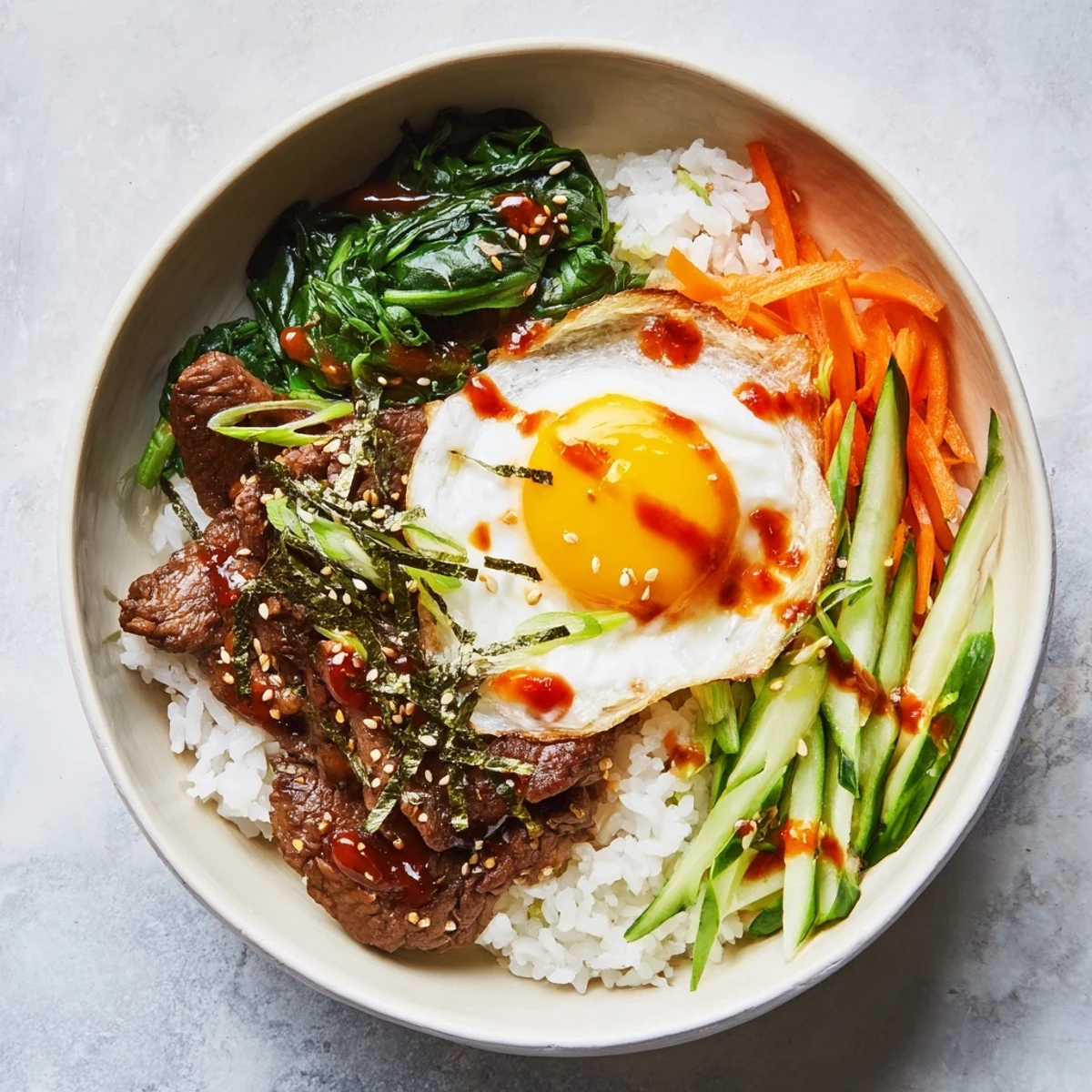
 There is something deeply satisfying about breaking that yolk and watching it coat everything in golden richness. Hope this becomes your new favorite breakfast too.
Recipe FAQs
- → Can I prepare the components ahead of time?
-
Yes, you can marinate the beef overnight and cook it in the morning. The vegetables can be prepped and stored in separate containers. The gochujang sauce keeps well in the refrigerator for up to a week.
- → What cut of beef works best for this bowl?
-
Thinly sliced sirloin or ribeye are ideal because they're tender and cook quickly. Look for beef labeled for bulgogi or stir-fry at Asian markets, or freeze your beef slightly before slicing it thinly yourself.
- → How can I make this vegetarian?
-
Replace the beef with firm tofu cubes or king oyster mushrooms sliced into strips. Marinate and cook them the same way as the beef. You can also add more vegetables like bell peppers, zucchini, or shiitake mushrooms.
- → Is gochujang very spicy?
-
Gochujang has moderate heat with a sweet and savory flavor profile. You can adjust the amount used in the sauce to suit your preference. If it's too spicy, add more honey or a splash of rice vinegar to balance it out.
- → Can I use brown rice instead of white?
-
Absolutely. Brown rice adds nutty flavor and extra fiber, though it will have a chewier texture. Just ensure the rice is warm when assembling the bowls for the best eating experience.
- → What other toppings can I add?
-
Pickled radish, kimchi, avocado slices, or sliced radishes make excellent additions. You can also top with crushed seaweed snacks or microgreens for extra color and nutrition.