
 Save to Pinterest
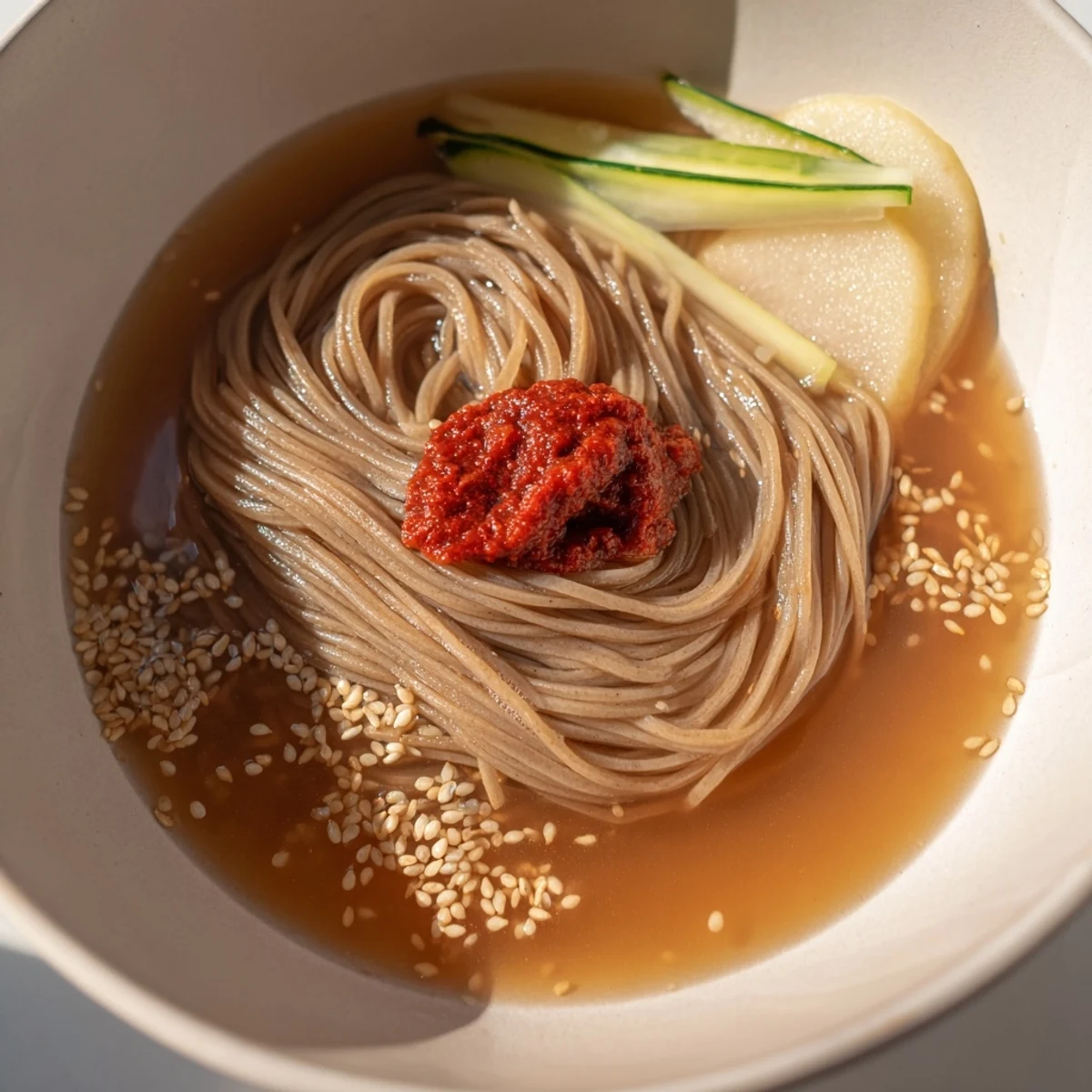
 Experience the refreshing delight of Korean naengmyeon, featuring springy buckwheat noodles immersed in an ice-cold tangy beef broth. This beloved summer dish balances chewy textures with crisp cucumber and sweet Asian pear, while tender beef brisket adds savory depth. The broth combines rice vinegar and subtle sweetness for that signature zesty flavor profile. Perfect for hot weather, these cold noodles offer complete nutrition with beef protein and satisfying carbohydrates.
The first Korean restaurant I stepped into was a tiny place in Los Angeles Koreatown where the waiter warned me about the scissors. Naengmyeon arrives with kitchen shears because the noodles are famously long and stubborn, meant to be snipped into manageable portions before slurping. That icy bowl arriving in the middle of summer changed everything I thought about soup being hot weather food.
My grandmother would have appreciated the practical brilliance of a soup that requires no heating, just planning ahead. During last August's heat wave, I made six bowls at once and kept them in the fridge, grabbing one whenever the kitchen felt too oppressive to cook anything hot. The broth actually improves after a day, letting all those sharp vinegar and sesame notes mellow into something deeper.
Ingredients
- Beef broth: Homemade broth gives you control over salt levels, but low-sodium store-bought works perfectly fine
- Rice vinegar: This is the backbone of the tangy flavor, so do not substitute with other vinegars
- Sesame oil: Toasted sesame oil adds that unmistakable Korean aroma you cannot fake
- Naengmyeon noodles: Buckwheat noodles have that signature chew, though soba makes an acceptable substitute
- Asian pear: The sweet crunch balances the acidity and feels essential to the experience
- Cucumber: Thinly sliced, it adds refreshing crispness in every spoonful
- Hard-boiled eggs: Creamy protein that grounds the bright, cold flavors
- Ice cubes: Non-negotiable for keeping everything properly chilled
Instructions
- Make the broth ahead:
- Whisk together the beef broth, cold water, rice vinegar, sugar, soy sauce, sesame oil, and salt until everything dissolves completely. Let it chill in the refrigerator for at least an hour—the broth needs to be practically icy.
- Prep your toppings:
- Boil the eggs for exactly 10 minutes, then plunge them into cold water for easy peeling. Slice your beef, cucumber, Asian pear, and any optional pickled radish into thin, bite-sized pieces.
- Cook the noodles:
- Drop the naengmyeon noodles into a pot of boiling water and cook for about 3 to 4 minutes until tender but still chewy. Drain and rinse them thoroughly under cold running water, rubbing gently to remove excess starch until the water runs clear.
- Assemble the bowls:
- Divide the cold noodles among four bowls and pour that chilled broth over them. Arrange your toppings—cucumber, pear, beef, egg halves—on top and tuck in a few ice cubes to keep everything extra cold.
- Finish and serve:
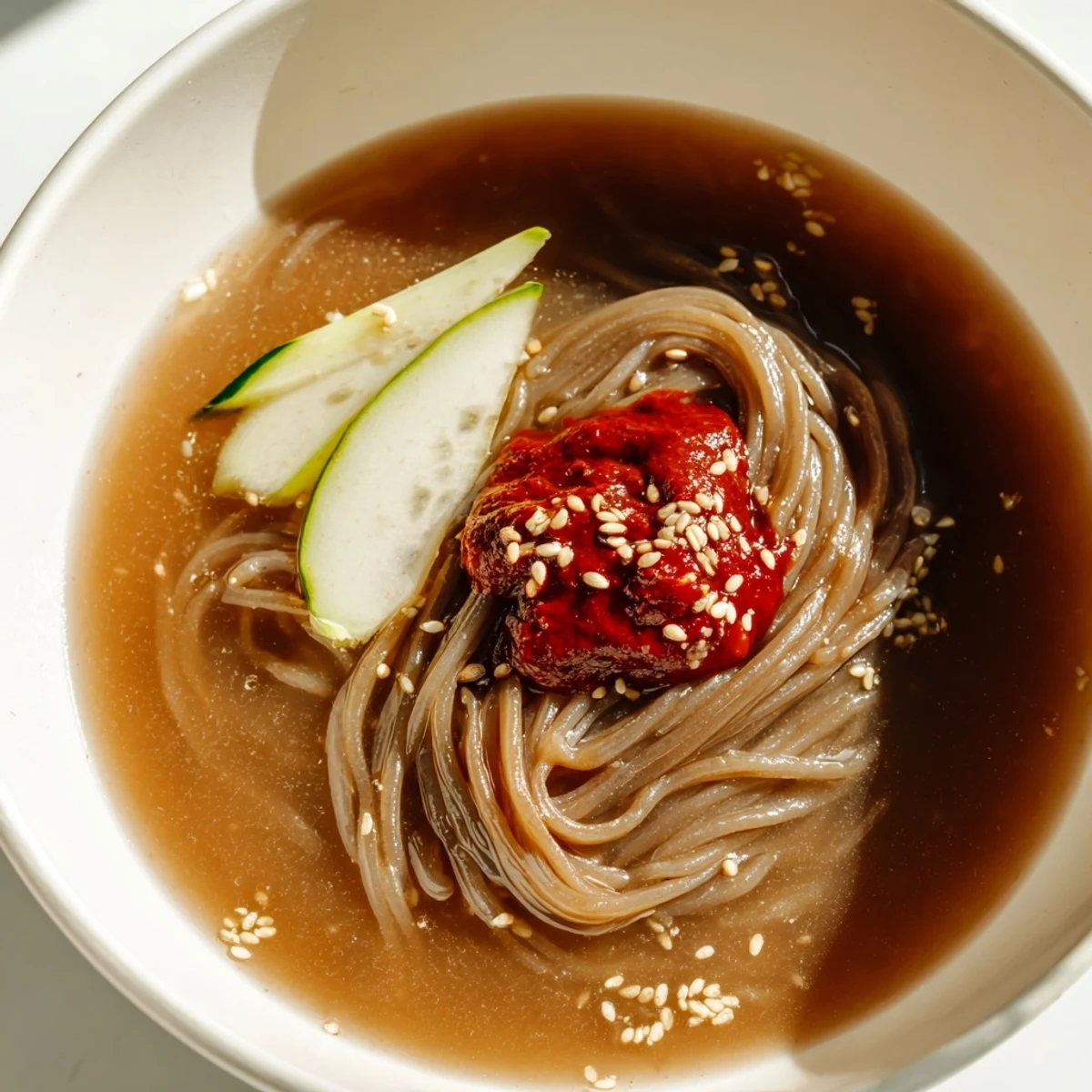
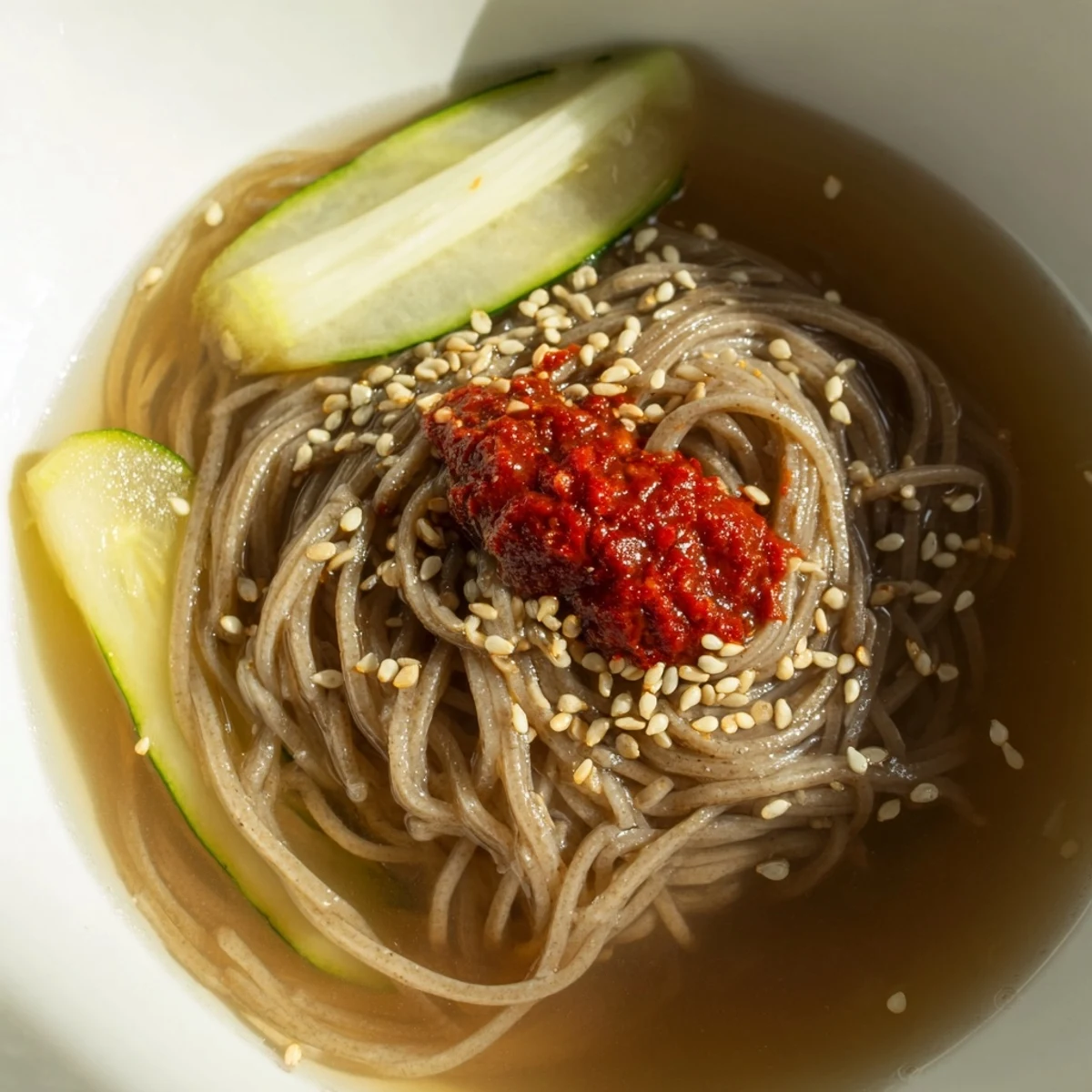
- Sprinkle with toasted sesame seeds and add a dollop of gochujang if you want some heat. Serve immediately with scissors on the side, or just tell your guests to dig in with chopsticks.
 Save to Pinterest
 Last summer, my friend who claimed to hate cold soup tried a single hesitant spoonful and proceeded to finish the entire bowl. She texted me the next day asking for the recipe, saying she had been dreaming about that tangy, cold broth all morning. Sometimes the dishes that seem the most unfamiliar become the ones we crave most unexpectedly.
Broth Variations
Pork broth adds a different richness, while chicken broth keeps it lighter. I have tried dongchimi brine mixed into the broth—a traditional addition that turns the soup slightly cloudy but adds this incredible fermented depth. The beauty of naengmyeon is how forgiving the base is, letting you adjust sweetness and tang until it hits exactly right.
Topping Ideas
Beyond the classic beef and pear, I have topped this with shredded rotisserie chicken, quick-picked carrots, or even avocado slices for extra creaminess. The key is having contrasting textures—something crunchy, something soft, something fresh. Korean yellow pickled radish adds both color and a sweet-tart crunch that feels authentic.
Make-Ahead Tips
The broth can be made up to three days ahead and kept chilled. Toppings like beef, pear, and cucumber can be prepped and stored separately in airtight containers. Only cook the noodles right before serving, as they can become gummy if left sitting in the broth too long.
- Set out small bowls of extra vinegar and mustard for people to adjust their own seasoning
- Keep a pair of kitchen scissors at the table for anyone unfamiliar with the noodle length tradition
- Double the broth recipe and keep it in a pitcher in the fridge for instant cold noodle soup cravings
 Save to Pinterest
 There is something deeply satisfying about eating a meal that requires exactly zero heat from your stove. Naengmyeon is the perfect reminder that comfort food does not always mean hot and hearty.
Recipe FAQs
- → What makes naengmyeon noodles unique?
-
Naengmyeon noodles are made primarily from buckwheat and sweet potato starch, creating an exceptionally chewy and springy texture that holds up beautifully in cold broth. Unlike other Asian noodles, they're specifically designed to be enjoyed chilled and maintain their firm texture even when soaked in cold liquid.
- → Can I make naengmyeon ahead of time?
-
Yes! Prepare the broth up to 2 days in advance and keep it refrigerated. The noodles cook quickly in just 3-4 minutes, but they're best cooked fresh rather than stored precooked. Slice all toppings beforehand and assemble just before serving for optimal texture and temperature.
- → What can substitute for naengmyeon noodles?
-
Soba noodles made from buckwheat are the closest alternative, though they'll be slightly less chewy. Ramen noodles or thin udon can work in a pinch, but adjust cooking time since these absorb broth differently. For authentic texture, seek out Korean grocers or Asian markets carrying genuine naengmyeon.
- → Is the broth served completely cold?
-
Absolutely—the colder the better! Traditional naengmyeon uses broth chilled to near-freezing temperatures, often with ice cubes added directly to the bowl. This extreme cold enhances the refreshing quality and helps maintain the noodles' chewy texture throughout the meal.
- → What's the purpose of gochujang in naengmyeon?
-
Gochujang adds optional heat and depth to the tangy broth. Diners typically add it gradually according to personal spice preference, allowing customization of each bowl. The fermented chili paste complements the vinegar's acidity and creates a more complex flavor profile.