
 Save to Pinterest
 This elegant London Fog layer cake brings together the sophisticated flavors of Earl Grey tea and fragrant lavender in a tender, moist crumb. The tea-infused milk creates subtle aromatic notes throughout the cake layers, while culinary lavender adds gentle floral undertones. A luxurious vanilla bean frosting provides creamy balance, making this British-inspired dessert perfect for special occasions or afternoon tea service.
The first time I tasted a London Fog latte, I was standing in a tiny café in Vancouver watching steam curl off the mug while rain tapped against the window. Something about that combination of Earl Grey bergamot and lavender felt like being wrapped in a cozy sweater. It took me years of wondering why that flavor profile worked so beautifully before I finally decided to bake it into a cake. Now whenever I serve this, people pause mid-bite and ask what makes it taste like comfort and memory all at once.
I made this cake for my mothers birthday last spring, and she kept saying it reminded her of the tearooms she visited in England decades ago. We sat at her kitchen table until sunset, slicing thin slivers and talking about how food can transport you across oceans and through time. Later that night she texted me that she dreamed about the frosting. That text is still saved in my phone.
Ingredients
- Earl Grey tea bags: The bergamot oil in Earl Grey is what gives this cake its distinctive citrusy floral notes that balance beautifully with vanilla
- Dried culinary lavender: Use only food-grade lavender meant for baking, as the ornamental stuff can taste soapy or harsh
- Whole milk: The fat content helps carry the tea and lavender flavors deeper into the cake crumb
- Vanilla bean paste: Those little black specks look gorgeous in the frosting and the flavor is more intense than extract
Instructions
- Steep the milk:
- Heat your milk until tiny bubbles form around the edges, then remove it from the heat and add your tea bags and lavender. Let it steep covered for the full fifteen minutes because patience here translates directly to flavor depth later.
- Preheat and prep:
- Get your oven to 350°F and grease those three pans with butter and parchment because nothing ruins a baking mood faster than stuck cake layers.
- Whisk the dry team:
- Combine your flour, baking powder, and salt in a bowl so they are ready to fold in when the time comes.
- Cream butter and sugar:
- Beat your butter and sugar for at least three minutes until the mixture looks pale and fluffy because this is what creates that tender cake texture.
- Add the eggs:
- Drop in your eggs one at a time, letting each one fully incorporate before adding the next, then stir in your vanilla extract.
- Combine wet and dry:
- With your mixer on low, alternate adding the flour mixture and that beautiful tea-infused milk, starting and ending with the flour mixture.
- Bake the layers:
- Divide your batter evenly between the pans and bake for twenty-five to thirty minutes until a toothpick comes out clean.
- Make the frosting:
- Beat your butter until it looks like clouds, then gradually add the powdered sugar, milk, vanilla bean paste, and salt until everything is smooth and spreadable.
- Assemble and decorate:
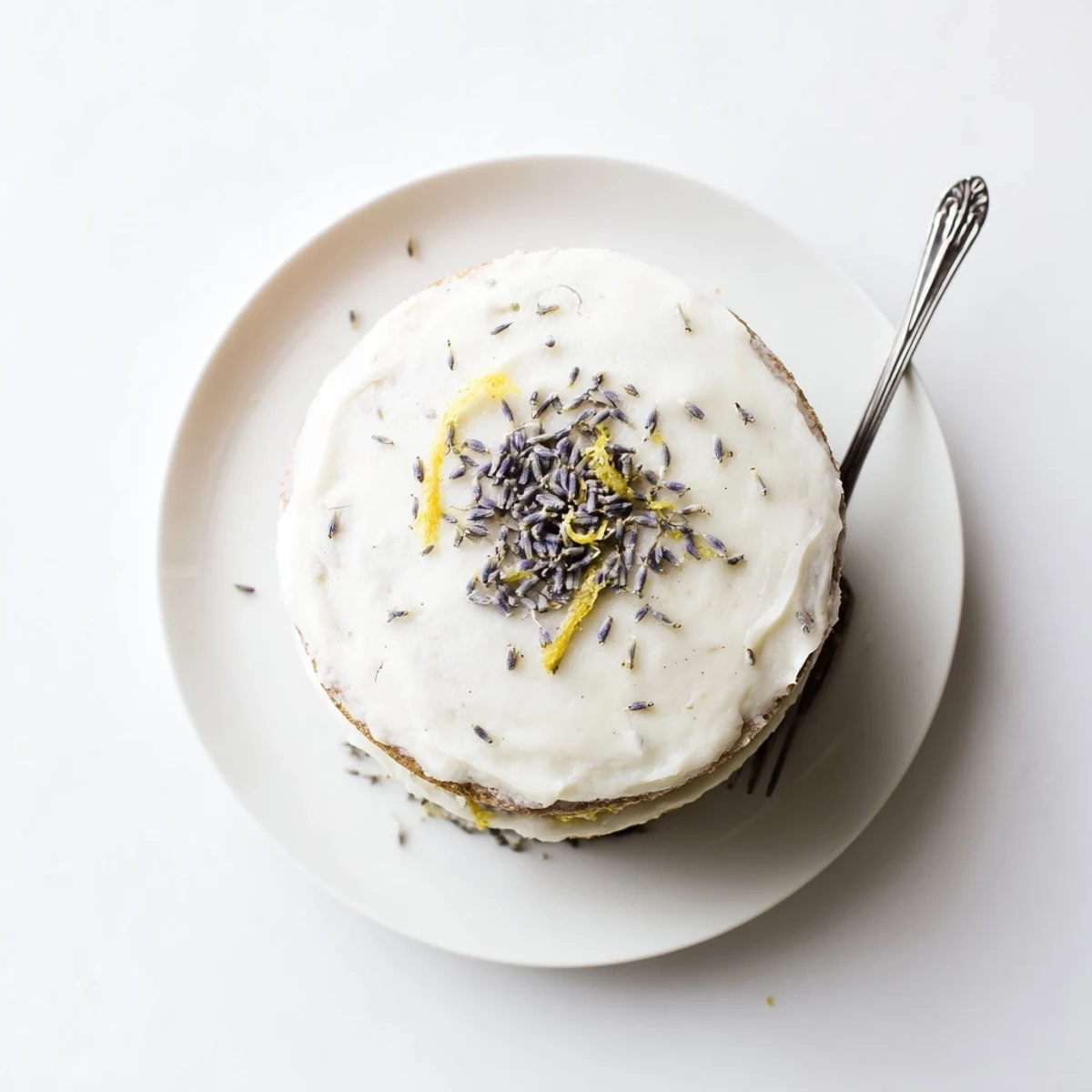
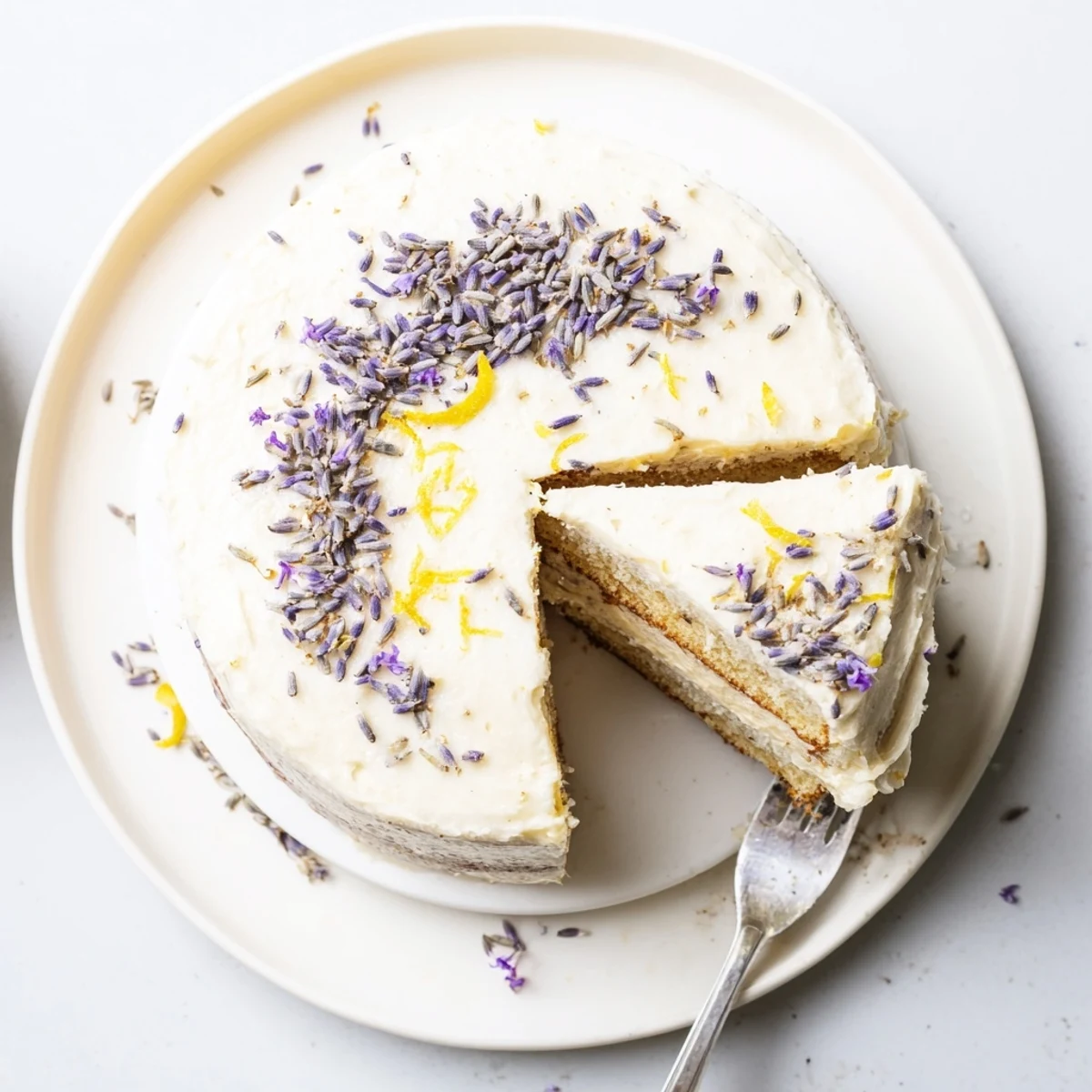
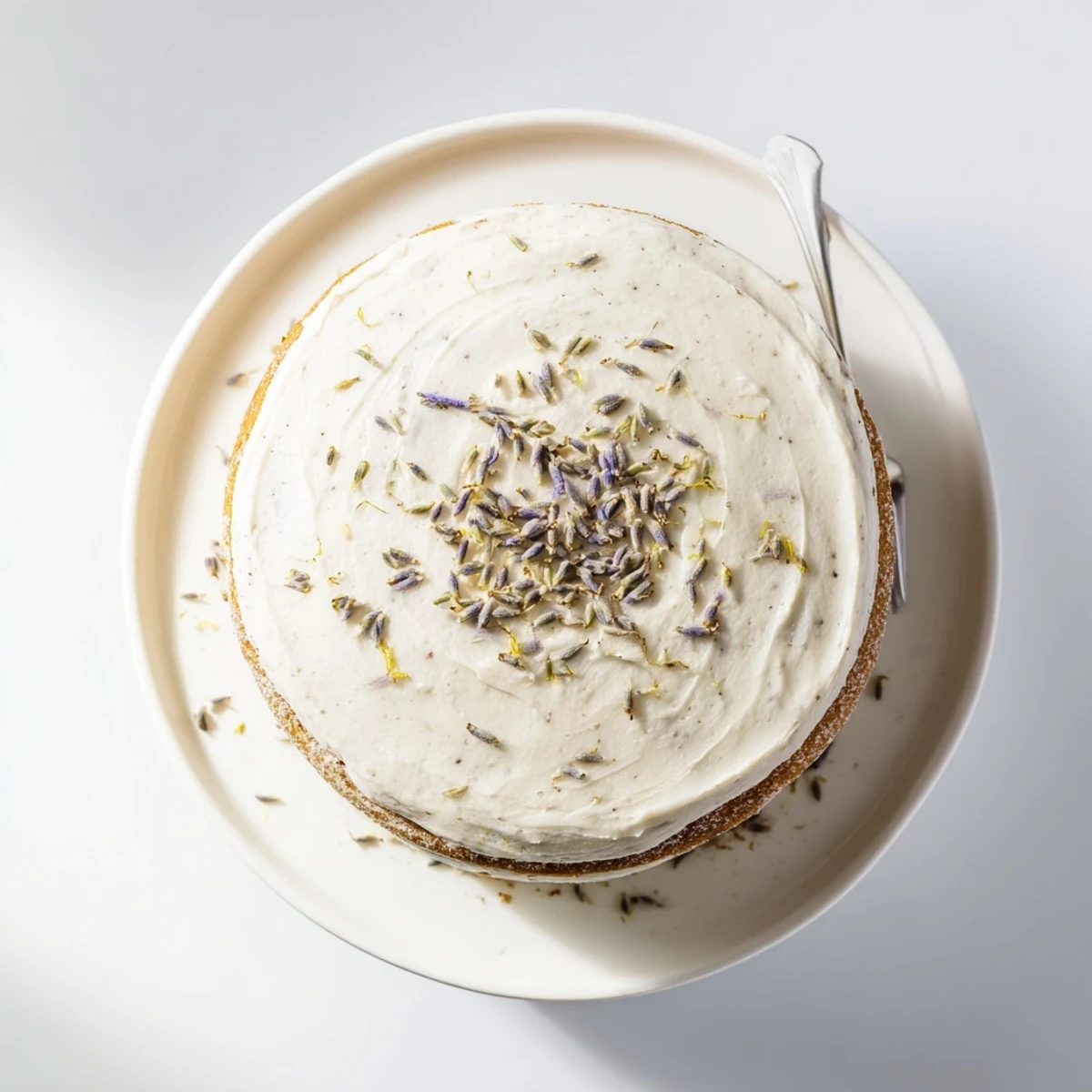
- Stack your layers with generous swipes of frosting between them, then frost the top and sides and sprinkle with dried lavender buds and lemon zest.
 Save to Pinterest
 This cake has become my go-to for dinner parties because it looks so impressive but the flavors feel familiar and comforting rather than fussy. Last month a guest who swore she hated floral desserts asked for seconds. Watching someone change their mind about a flavor they thought they disliked is one of my favorite things about cooking.
Getting The Most From Your Tea Infusion
I have learned that squeezing every last drop of flavor from those tea bags makes a noticeable difference in the final cake. Sometimes I give them a gentle press against the side of the saucepan before removing them. Just be careful not to break the bags or you will have little tea leaves to fish out later.
Working With Lavender
Lavender is powerful stuff that can tip from elegant to soapy in an instant. Measure it carefully and resist the urge to add more just because you love the scent. The flavor will bloom during baking and in the frosting, so restraint is actually the secret to balance.
Frosting Like A Pro
Apply a thin crumb coat of frosting first, then chill the cake for twenty minutes before adding the final layer. This simple step changed everything for me and keeps those stray crumbs from marring the pristine finish.
- Room temperature ingredients are non-negotiable for smooth frosting
- If your frosting feels too stiff, add milk one teaspoon at a time
- Chill the frosted cake for thirty minutes before slicing to get those clean restaurant-style layers
 Save to Pinterest
 There is something magical about taking flavors we usually sip and transforming them into something we can slice and share. I hope this cake finds its way to your table for the moments that matter.
Recipe FAQs
- → What does London Fog cake taste like?
-
The cake combines the bergamot citrus notes of Earl Grey tea with delicate floral lavender flavor, creating a sophisticated aromatic profile similar to the popular London Fog latte. The vanilla bean frosting adds sweet creamy balance.
- → Can I make the cake layers in advance?
-
Yes, bake and cool the layers completely, then wrap tightly in plastic wrap and freeze for up to 3 months. Thaw overnight in the refrigerator before frosting and assembling.
- → How strong is the lavender flavor?
-
Using 1 tablespoon of dried culinary lavender provides a subtle floral note that complements rather than overpowers the Earl Grey. Reduce to 2 teaspoons for a lighter lavender presence.
- → Can I use different size cake pans?
-
This recipe works with two 9-inch rounds for taller layers or one 9x13-inch sheet cake. Adjust baking time accordingly—25-30 minutes for rounds, 35-40 minutes for the sheet pan.
- → What's the best way to store the finished cake?
-
Keep at room temperature for up to 2 days in a cake dome or covered container. For longer storage, refrigerate for up to 5 days, though bring to room temperature before serving for best texture.
- → Can I substitute fresh lavender for dried?
-
Use triple the amount of fresh lavender buds (3 tablespoons) since they contain more water and less concentrated oils than dried. Always ensure lavender is culinary-grade and pesticide-free.