
 Save to Pinterest
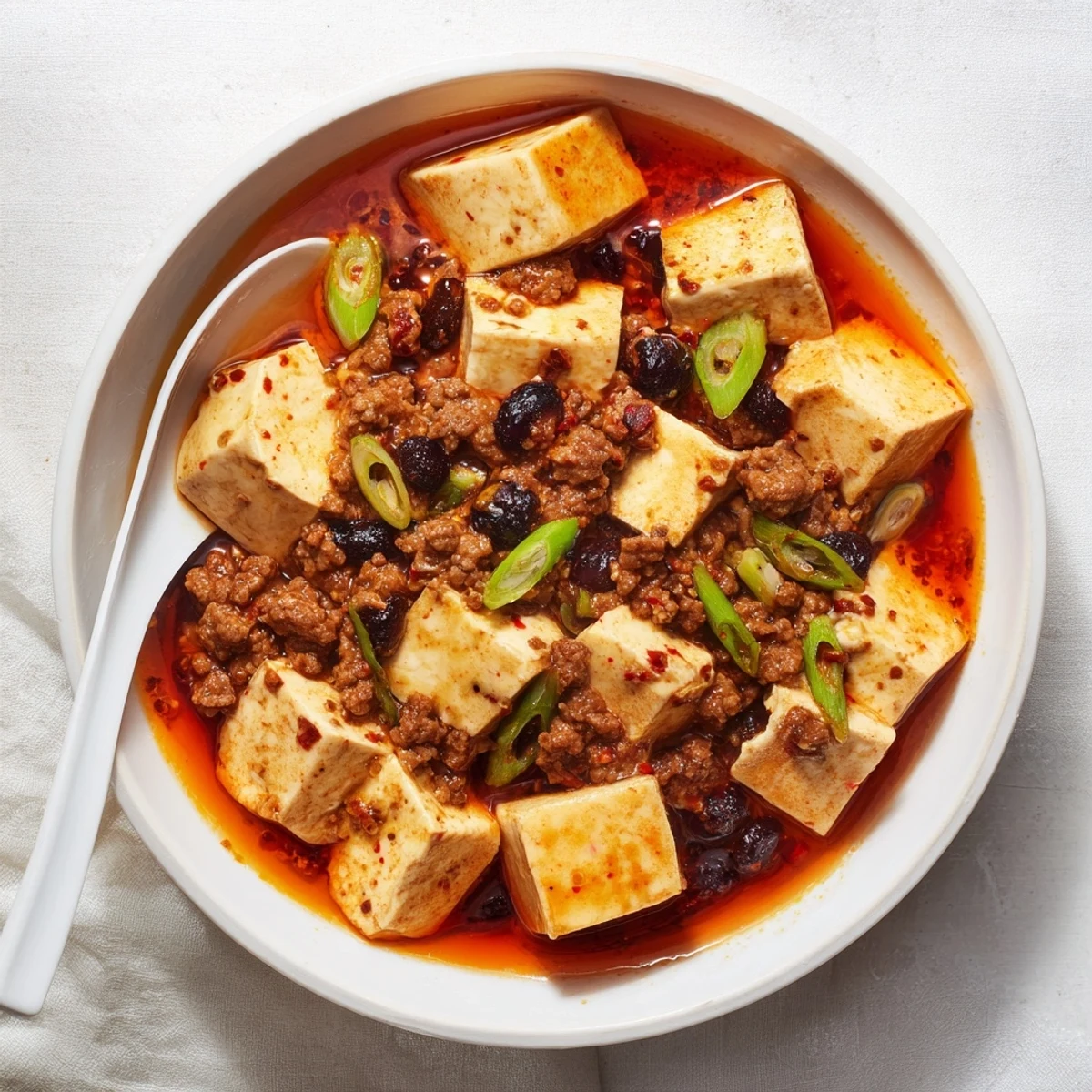
 This beloved Sichuan classic combines delicate tofu cubes with savory ground pork in a richly spiced sauce. The signature doubanjiang fermented bean paste creates a deep crimson broth, while toasted Sichuan peppercorns deliver that distinctive numbing sensation. Ready in just over half an hour, this dish balances heat, umami, and silkiness perfectly.
The first time I encountered authentic mapo tofu at a tiny Sichuan restaurant in Chengdu, I could barely feel my lips afterward. That signature numbing sensation from Sichuan peppercorns hit me like nothing I'd ever experienced, and I spent the entire meal alternating between gasps and delighted laughter. My tablemate kept asking if I was okay, but I couldn't stop eating.
Last winter, when my friends were complaining about the endless gray February days, I made a massive pot of this for a casual dinner party. The scent of garlic, ginger, and doubanjiang frying in hot oil had everyone gathering around the stove, despite the freezing rain outside. We ended up eating standing up, passing around rice bowls and taking turns adding more chili oil.
Ingredients
- Soft or medium-firm tofu: This delicate protein soaks up the spicy sauce beautifully, and the quick salt water bath helps it hold its shape during cooking
- Ground pork: Adds savory richness and texture, but ground chicken or plant-based mince work beautifully too
- Sichuan peppercorns: Toast and grind these fresh for that authentic numbing sensation that makes the dish unforgettable
- Doubanjiang: This fermented broad bean chili paste is the soul of Sichuan cooking, giving the sauce its deep red color and complex flavor
- Fermented black beans: Rinse and chop these to add an earthy, salty depth that balances the heat
- Cornstarch slurry: This secret step transforms the thin broth into a glossy, velvety sauce that clings to every tofu cube
Instructions
- Prep the tofu:
- Cut the tofu into small cubes and let them soak in hot salted water for five minutes. This simple trick firms up the texture so your tofu doesn't crumble when you cook it.
- Cook the pork:
- Heat your oil in a wok until it shimmers, then add the ground pork and break it apart with your spatula. Let it cook until it's no longer pink and has started to brown nicely.
- Add the aromatics:
- Toss in the garlic, ginger, and white scallion parts. Stir them around for just a minute until you can smell them dancing together.
- Build the sauce base:
- Stir in the doubanjiang and fermented black beans, letting them fry until the oil turns a beautiful red color and the kitchen smells incredible.
- Create the sauce:
- Pour in the soy sauce, wine, sugar, and broth, then bring everything to a gentle simmer.
- Gently add tofu:
- Lower the heat and carefully slide in the tofu cubes, letting them simmer and absorb all those flavors for about seven minutes.
- Add the magic:
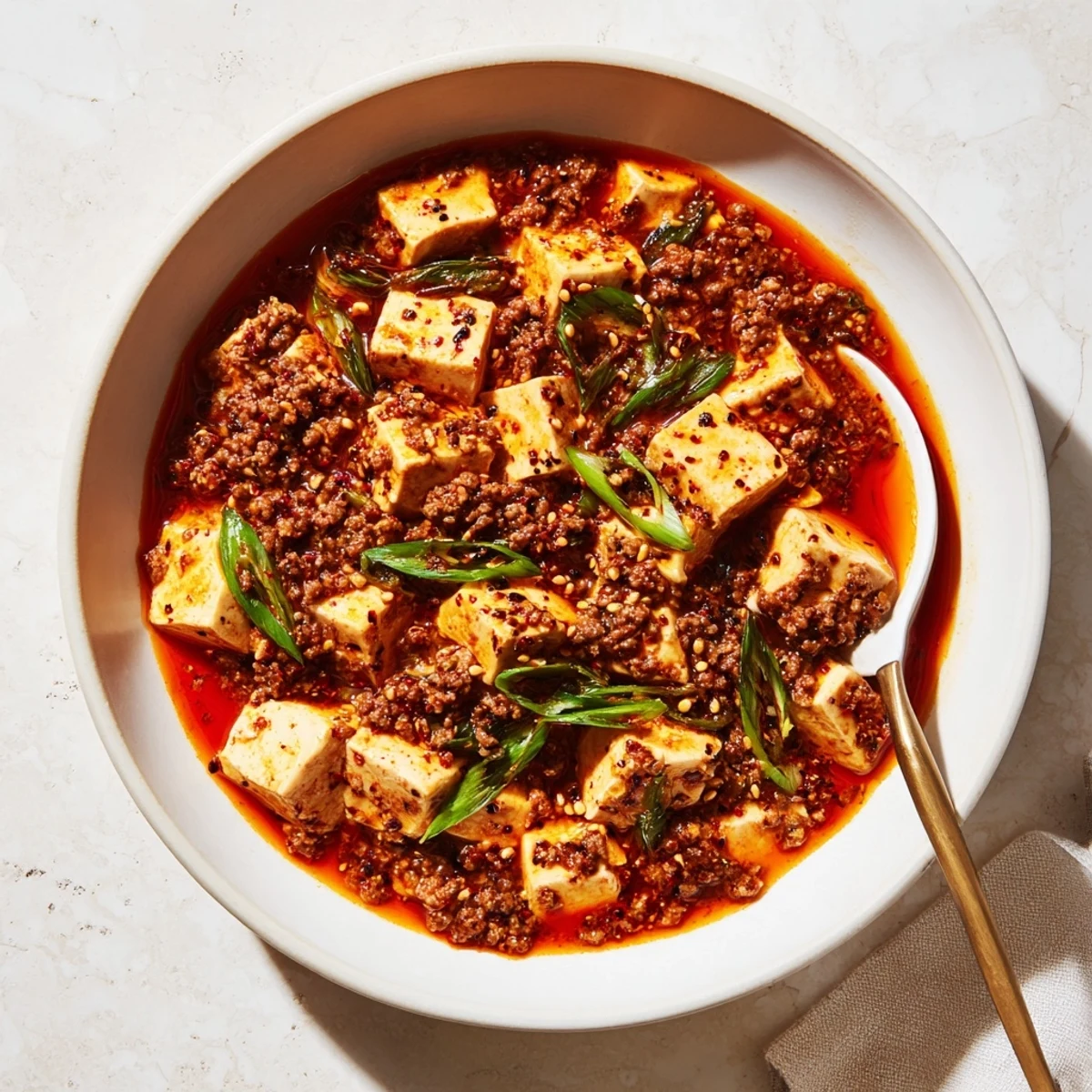
- Stir in the chili oil and ground Sichuan peppercorns, then pour in your cornstarch slurry and watch the sauce thicken into something glossy and gorgeous.
 Save to Pinterest
 My mother in law, who grew up eating this dish in northern China, told me that the best mapo tofu should make you sweat a little. Now whenever I make it, I think of her watching me cook, nodding approvingly when I add an extra pinch of ground peppercorns at the end.
Getting the Heat Right
Start with less chili oil and Sichuan peppercorns than you think you need, especially if you are new to numbing spice. You can always add more, but you cannot take it back once it is in the pot.
The Sauce Secret
That glossy restaurant style coating comes from the cornstarch slurry, but timing matters. Add it only after the tofu has finished simmering, and stir gently just once to thicken.
Make It Your Own
Once you are comfortable with the base recipe, do not be afraid to adjust the balance of flavors to suit your taste.
- Add more fermented black beans for extra umami depth
- Throw in some wood ear mushrooms for texture variation
- Finish with a drizzle of sesame oil right before serving
 Save to Pinterest
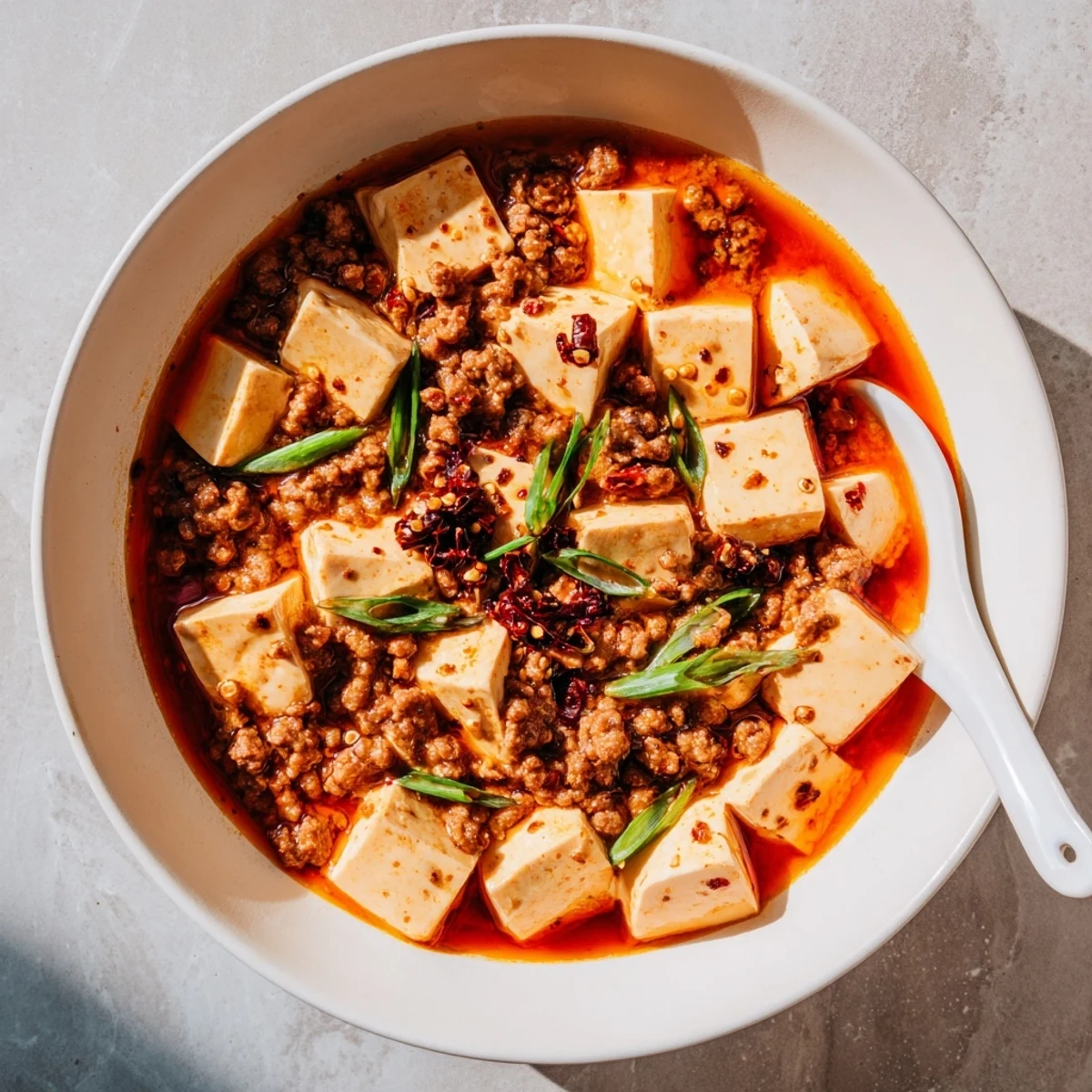
 There is something deeply satisfying about a bowl of steaming rice topped with this spicy, numbing, completely irresistible tofu. I hope it becomes a staple in your kitchen too.
Recipe FAQs
- → What makes Mapo Tofu authentic?
-
Authentic Mapo Tofu requires doubanjiang fermented broad bean paste, fermented black beans, and Sichuan peppercorns for the signature numbing flavor. The combination of these ingredients creates the complex spicy, aromatic profile that defines this Sichuan classic.
- → Can I make Mapo Tofu vegetarian?
-
Yes, simply omit the ground pork and substitute with plant-based mince or finely chopped shiitake mushrooms. The dish remains flavorful and satisfying, with the tofu absorbing all the aromatic spices and fermented bean paste.
- → How spicy is Mapo Tofu?
-
The spice level is adjustable based on the amount of doubanjiang and chili oil used. The Sichuan peppercorns provide numbing heat rather than burning spiciness. Start with smaller amounts and adjust to your preference.
- → Why soak tofu in salted water?
-
Soaking tofu in hot, lightly salted water helps firm the texture and prevents it from breaking apart during cooking. This simple step ensures the tofu maintains its shape while absorbing the flavorful sauce.
- → What should I serve with Mapo Tofu?
-
Steamed jasmine rice is the traditional accompaniment, perfectly balancing the spicy sauce. Blanched greens like bok choy or Chinese broccoli also complement the rich flavors and provide a fresh contrast.