
 Save to Pinterest
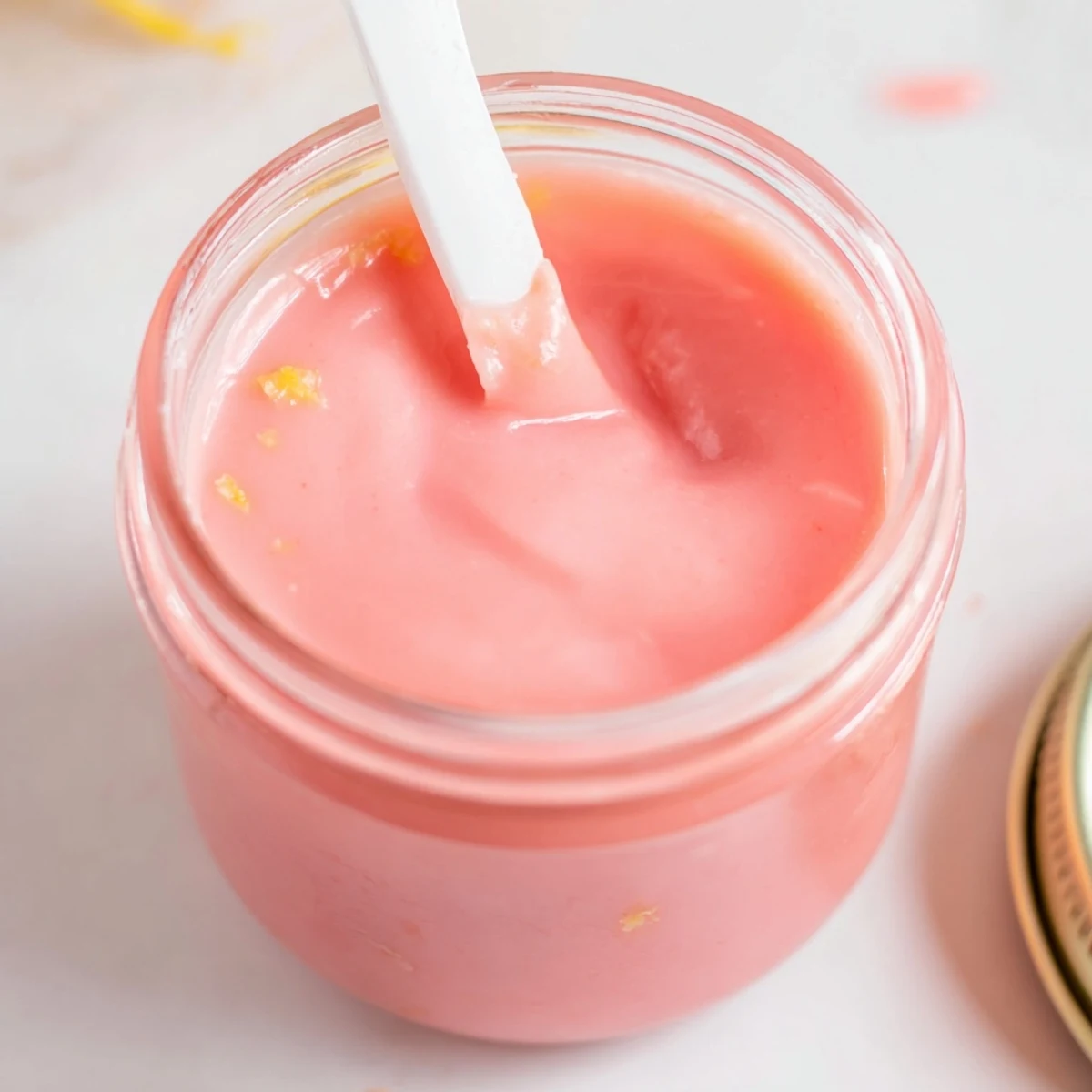
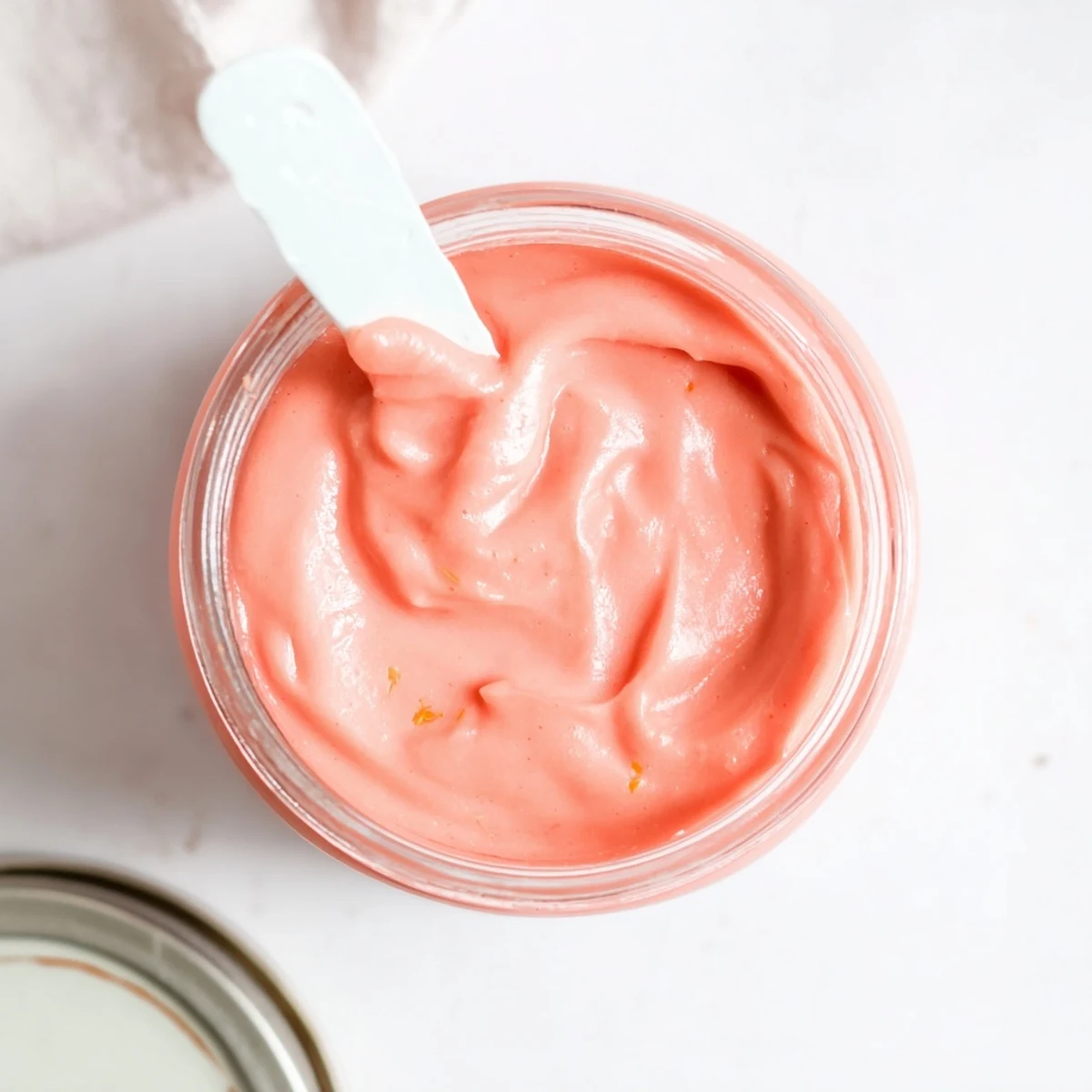
 This pink lemon curd delivers a luscious, velvety texture with bright citrus notes and subtle floral undertones. The double boiler method ensures silky smooth results while preventing curdling. Fresh pink lemon juice and zest provide authentic flavor, while egg yolks create richness. The finished curd sets beautifully in the refrigerator and keeps for two weeks. Use it to fill pastry shells, spread on warm scones, or layer between cake tiers. For deeper pink color, add pure raspberry juice or natural food coloring.
The first time I spotted pink lemons at the farmers market, I stood there staring like they were some kind of citrus miracle. The vendor laughed and told me they taste like regular lemons but with this subtle floral whisper that makes everything feel more special. I bought every single one she had and spent the next weekend obsessing over what to make with them. That first batch of curd came out a soft, dreamy pastel pink and I texted photos to everyone I knew like I'd discovered a new color.
Last spring my sister came to visit and we spent three hours making tiny tarts filled with this curd, dusting them with powdered sugar until our kitchen looked like it had snowed indoors. We ate them standing at the counter while rain tapped against the windows, and she kept saying 'you could sell these' between bites. That afternoon felt exactly like what weekends should be—messy, sweet, and completely unhurried.
Ingredients
- Fresh pink lemon juice: Pink lemons have this gorgeous natural blush and a flavor that's somehow gentler than regular lemons, like lemon's softer cousin who brings flowers to dinner
- Pink lemon zest: The oils in the zest carry all those fragrant floral notes, so use a microplane and grate gently until you can smell citrus perfume in the air
- Granulated sugar: Sugar does the heavy lifting of tempering all that acid while letting the bright citrus sing through instead of just making it sweet
- Eggs and egg yolks: The yolks are what give curd that impossibly lush, spoon-coating texture, while the whites provide structure so it's not just rich custard
- Unsalted butter: Room temperature pieces melt into the warm curd like magic, transforming it from thin mixture into something silky and spreadable
- Raspberry juice or natural coloring: Pure raspberry juice from smashed berries deepens the pink without changing the flavor, though those first few drops of natural color feel like chemistry magic
Instructions
- Whisk your base:
- In a heatproof bowl that feels heavy and reliable, whisk together eggs, yolks, sugar, juice, and zest until the sugar dissolves and everything turns this pale, promising yellowish-pink
- Set up your water bath:
- Place the bowl over a saucepan of barely simmering water—the bottom should never touch the water itself, just float above that gentle steam
- Cook with patience:
- Whisk constantly and gently for 8 to 10 minutes, watching the mixture transform from thin liquid into something that coats the back of your spoon like liquid velvet
- Embrace the butter:
- Pull the bowl from heat and whisk in butter one piece at a time, letting each disappear completely before adding the next until the curd turns impossibly glossy
- Decide on color depth:
- If you want that Instagram-worthy pink, stir in raspberry juice or natural coloring now, watching the color bloom like a watercolor painting
- Strain for perfection:
- Pour the warm curd through a fine-mesh sieve into a clean bowl, pressing gently to separate out any cooked bits of egg or zest
- Let it work its magic:
- Cool completely, then spoon into sterilized jars and refrigerate for at least 2 hours—the texture transforms completely as it chills
 Save to Pinterest
 My friend Sarah once claimed she didn't even like lemon curd until I put a jar of this in her holiday gift box. Two days later she texted me at 11 pm asking if I'd ever considered opening an Etsy shop because she'd eaten half the jar with a spoon standing in her kitchen.
The Magic of Pink Lemons
Regular lemons work perfectly fine here, but pink lemons have this subtle floral quality that makes the curd taste somehow more elegant. They're actually a natural variety called variegated pink lemons, with striped green and yellow skin when they're growing. The pink comes from lycopene, the same compound that makes tomatoes red, which feels like a fun science fact to drop while serving guests.
Making It Your Own
Sometimes I swap in blood orange juice for a coral sunset version, or grapefruit for a sophisticated breakfast spread. The technique stays exactly the same—only the juice changes. My lavender variation involves steeping dried flowers in the warm sugar before whisking everything together, which turns an ordinary morning into something that feels like a Parisian cafe.
Ways to Use It
Beyond the obvious toast and scones, this curd makes an extraordinary filling for layer cakes or swirled into vanilla buttercream. I've folded it into whipped cream for an instant mousse, and once—in a moment of pure inspiration—used it as the filling for homemade doughnuts. My neighbor's children now refer to me as 'the pink lemonade lady' which I consider a genuine achievement.
- Warm it slightly and drizzle over vanilla ice cream for a dessert that looks impossibly impressive
- Stir a spoonful into plain Greek yogurt with fresh berries for breakfast that feels like a treat
- Layer it with crushed graham crackers and whipped cream for instant parfaits in pretty glasses
 Save to Pinterest
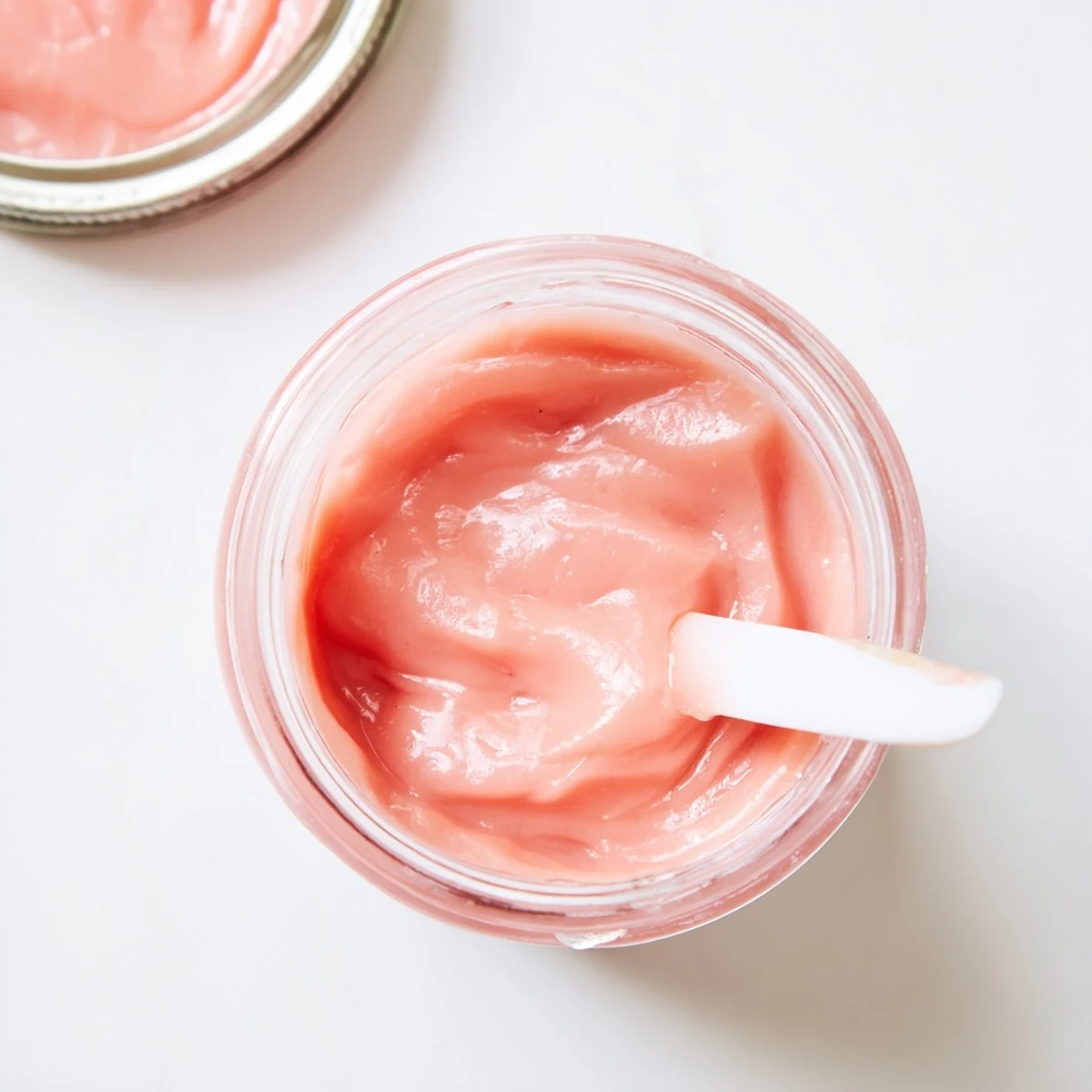
 There's something deeply satisfying about seeing those jewel-toned jars lined up in the refrigerator, glowing softly every time you open the door. Homemade curd feels like one of those small luxuries that turns ordinary days into something worth celebrating.
Recipe FAQs
- → What makes pink lemons different from regular lemons?
-
Pink lemons have a milder, more floral flavor profile compared to regular lemons. They feature a natural blush-colored skin and flesh, which gives the curd its signature pink hue without additional coloring.
- → How do I know when the curd is thick enough?
-
The curd is ready when it reaches 170°F (77°C) and coats the back of a spoon. Run your finger through the coating—it should leave a clean path that doesn't immediately fill back in.
- → Can I freeze pink lemon curd?
-
Yes, freeze in airtight containers for up to 3 months. Thaw overnight in the refrigerator before using. The texture may change slightly but will still work well for fillings and spreads.
- → Why strain the curd after cooking?
-
Straining removes bits of cooked egg and zest, ensuring perfectly smooth texture. This step is essential for achieving that luxurious, silky consistency that makes quality curd exceptional.
- → What if I can't find pink lemons?
-
Use regular lemons and enhance the pink color with raspberry juice or natural food coloring. The flavor will still be delicious, though slightly less floral than authentic pink lemons.
- → How long does homemade curd last?
-
Properly stored in sterilized jars, this curd keeps for up to 2 weeks in the refrigerator. Always use clean utensils to scoop and keep the jar tightly sealed.