
 Save to Pinterest
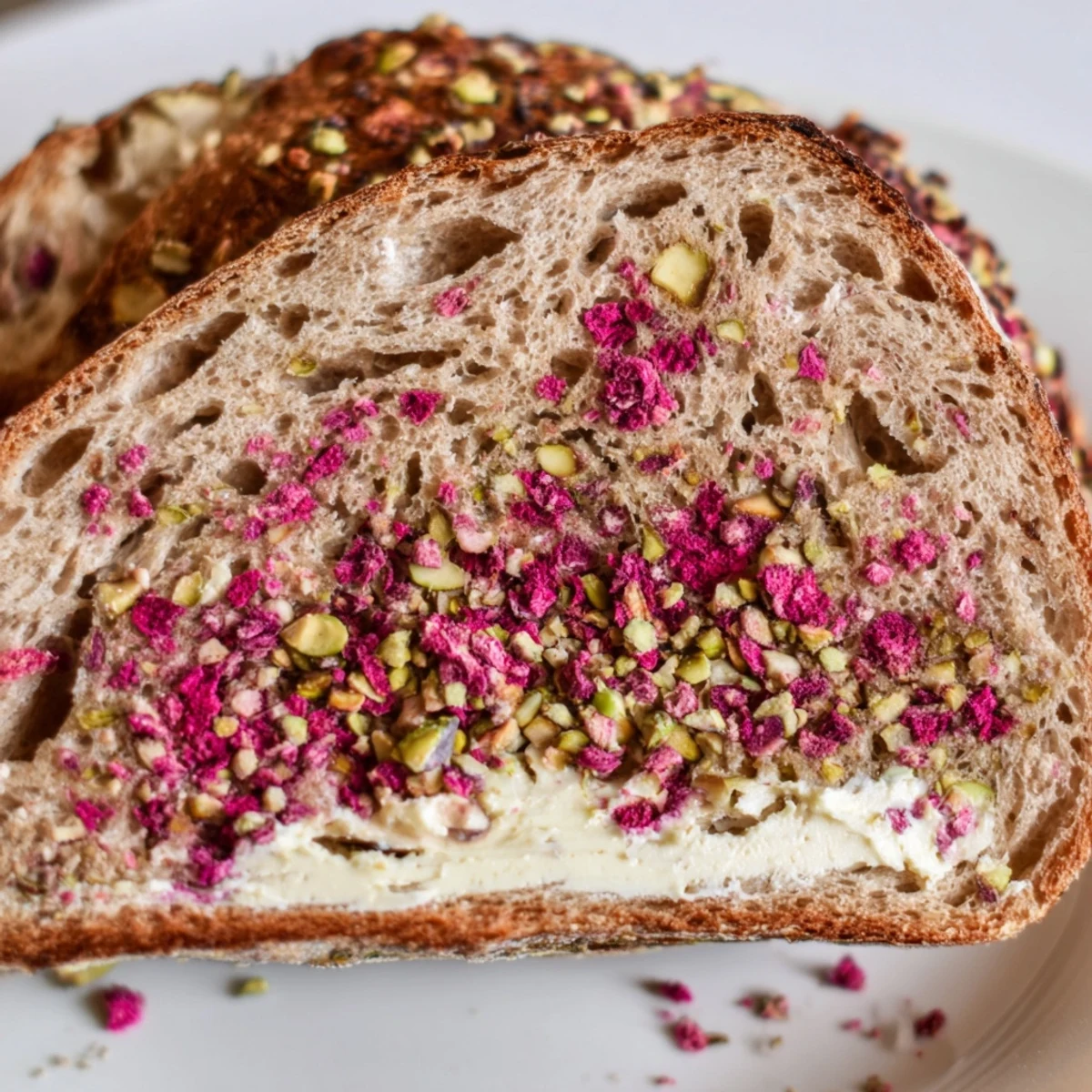
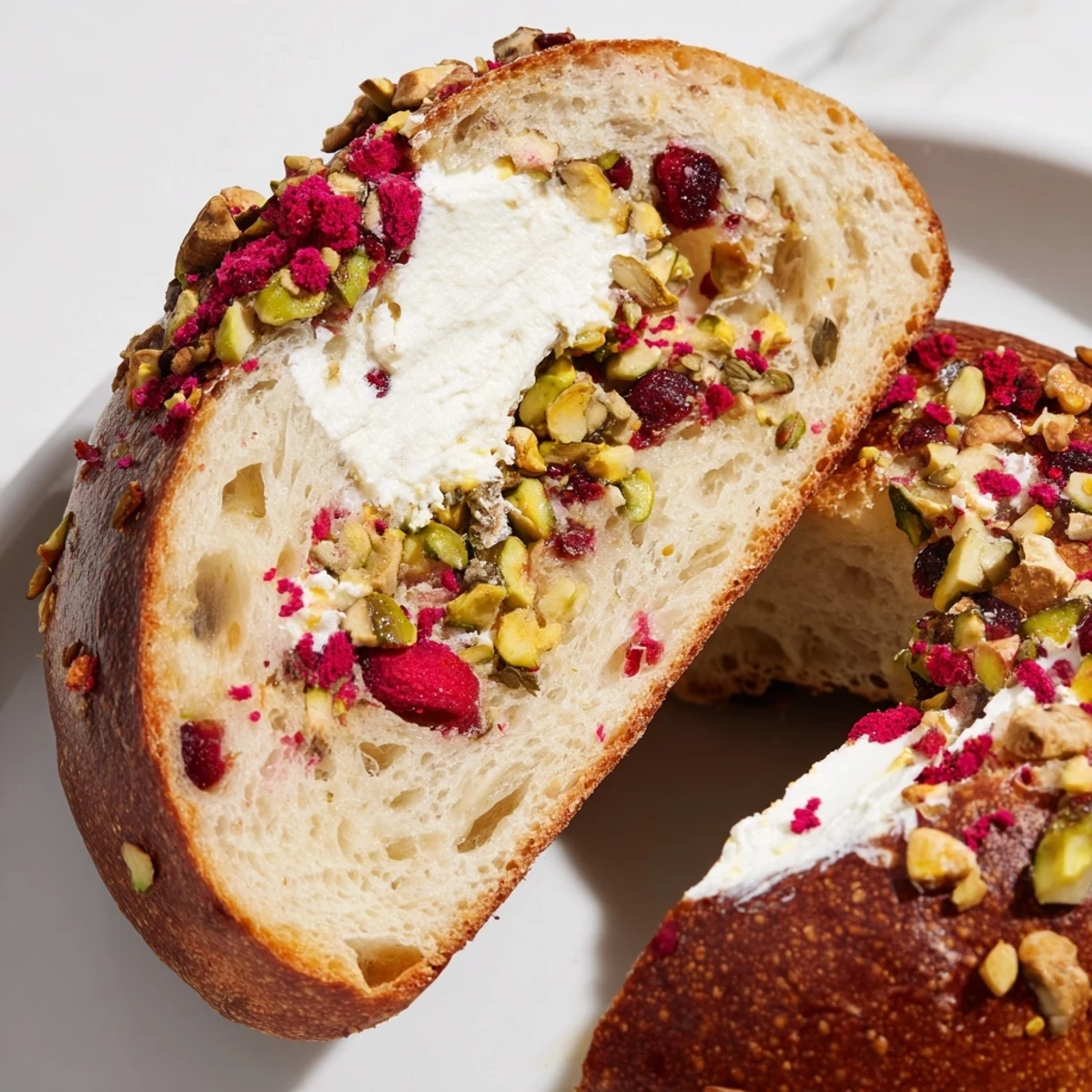
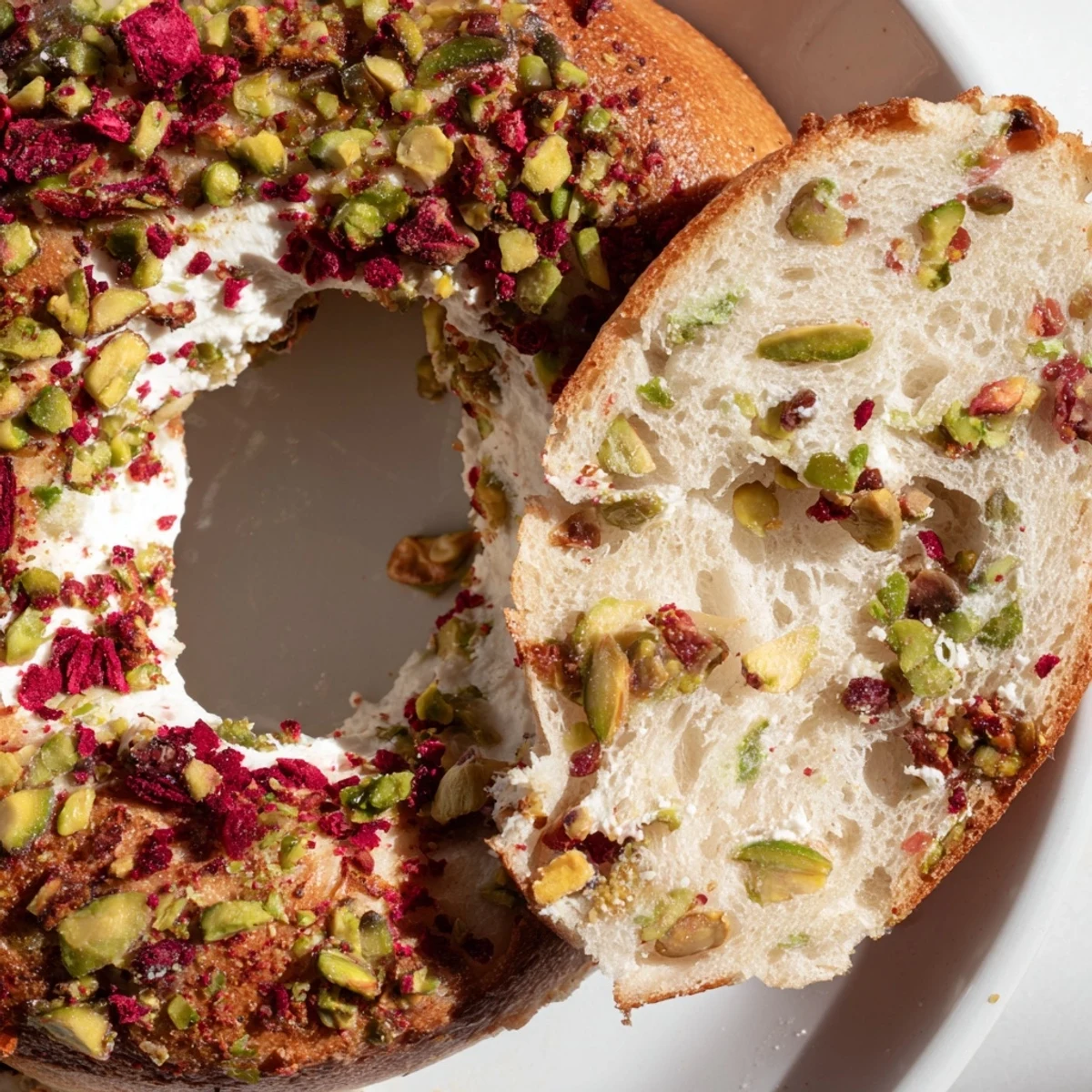
 These vibrant bagels bring together the complex tang of long-fermented sourdough with the natural sweetness of freeze-dried raspberries and buttery crunch of pistachios. The 12-hour fermentation develops deep flavor while creating that signature chewy texture bagel lovers crave. Each round delivers a perfect balance of sweet and tangy, with nuts tucked throughout the dough for satisfying texture in every bite.
The process involves mixing and kneading, followed by an overnight ferment that allows the sourdough starter to work its magic. After shaping into classic rings, a quick dip in honey-sweetened boiling water creates that distinctive shiny crust. Baking at high heat yields golden exteriors with tender, chewy interiors.
These work beautifully toasted and spread with cream cheese, raspberry jam, or enjoyed plain. The pink-flecked dough studded with green pistachios makes for an impressive addition to any brunch spread. Batches freeze exceptionally well, so you can always have fresh-tasting bagels ready for busy mornings.
The first time I saw these bagels come out of the oven, I actually laughed out loud—they looked like little jewels with their pink speckles and green nutty bits scattered throughout. My kitchen smelled incredible, like yeast meeting something sweet and nutty all at once. That morning I ended up eating two fresh from the rack, still warm, with nothing on them because I couldnt wait. Theyve become my go-to when I want to bake something that feels special but still fits into regular weekend routine.
I brought a batch to my sisters brunch last month, and her kids—usually suspicious of anything that looks too 'homemade'—kept coming back for seconds. The combination of tart raspberry and buttery pistachio hits this perfect balance where neither overwhelms the other. Now every time I visit, someone asks if I brought the pink bagels. Its funny how a simple twist on a classic can become something people actually remember and request.
Ingredients
- Active sourdough starter: This living starter is what gives the bagels their characteristic tang and chewy texture—use it at its peak activity, ideally 4-6 hours after feeding.
- Warm water: Should feel comfortable to the touch, about 26-28°C (79-82°F), which helps wake up the starter without killing the beneficial bacteria.
- Bread flour: Higher protein content than all-purpose flour, creating the structure and chewiness that makes a bagel feel like a real bagel.
- Granulated sugar and honey: Both feed the yeast and contribute to browning—honey adds a subtle floral note while sugar provides straightforward sweetness.
- Salt: Enhances all other flavors and strengthens the gluten network—don't skip this, it makes a huge difference in the final taste.
- Roughly chopped pistachios: Leave them somewhat chunky so you get distinct nutty bursts throughout the bagel—finely ground nuts would disappear into the dough.
- Freeze-dried raspberries: Unlike fresh fruit, these add concentrated raspberry flavor and bright color without adding excess moisture that could wreck your dough.
- Baking soda: Creates an alkaline bath that mimics traditional lye water, giving bagels their signature shiny crust and chewy exterior.
- Additional honey for poaching: This small amount helps the crust develop that beautiful golden-brown color and adds subtle depth to the bagel exterior.
- Extra pistachios and raspberries: Pressing these onto the tops after boiling creates that bakery-worthy appearance and gives each bite extra texture.
Instructions
- Prepare the starter base:
- Whisk the starter into the warm water until fully dissolved—the mixture should look milky and uniform, with no visible starter chunks floating around.
- Mix the dough:
- Combine the flour, sugar, salt, honey, pistachios, and freeze-dried raspberries with the starter mixture, mixing just until everything comes together into a shaggy, rough-looking dough that barely holds its shape.
- Knead to develop gluten:
- Work the dough on a floured surface for 8-10 minutes, pushing it away with the heel of your hand, folding it back, and rotating until it feels smooth, elastic, and slightly bouncy to the touch.
- Let the dough ferment:
- Place in an oiled bowl, cover, and leave at room temperature for 8-12 hours—slow fermentation develops complex flavor and makes the dough rise beautifully, often doubling in size.
- Shape into bagels:
- Divide the dough into 8 equal pieces, roll each into a smooth ball, then poke your thumb through the center and gently stretch to form a ring—work carefully to avoid tearing the dough.
- Second rise:
- Let the shaped bagels rest covered for 45-60 minutes until they look slightly puffy and feel alive when you touch them—you should notice they've grown perceptibly.
- Prepare for baking:
- Heat your oven to 220°C (425°F) and bring the poaching liquid to a gentle simmer—bubbles should barely break the surface, not a rolling boil.
- Poach the bagels:
- Carefully drop each bagel into the hot water, cooking 45 seconds per side, then lift with a slotted spoon and let drain briefly—the surface should look slightly puckered and shiny.
- Add toppings:
- While the bagels are still damp from poaching, press chopped pistachios and extra raspberry pieces onto the tops so they adhere during baking.
- Bake to perfection:
- Slide the tray into the hot oven and bake 20-22 minutes until the bagels are deeply golden with an irresistible crust—rotate the tray halfway through if they're browning unevenly.
- Cool completely:
- Let the bagels cool on a wire rack for at least 30 minutes—cutting into them while warm will give you a gummy interior, and they need this time to set properly.
 Save to Pinterest
 Last winter, during that week where it seemed like everyone I knew was getting sick, I made batch after batch of these. Theres something incredibly comforting about the rhythm of shaping bagels—working with your hands, watching the dough transform, smelling the slow fermentation. I'd deliver them warm to friends, and every single person texted me later saying it was exactly what they needed. Food does that sometimes, doesn't it—becomes more than just ingredients and calories, turns into this little gesture of care that people remember.
Freezing For Later
These freeze beautifully and actually taste almost as good after freezing as they do fresh. I slice them first, then wrap individually in plastic and freeze in a sealed bag—this way I can pop one straight into the toaster from frozen. They've saved so many mornings when I haven't had time to bake anything fresh. Sometimes I'll make a double batch just to stock my freezer, and honestly, grabbing a homemade bagel on a rushed Tuesday feels like a small luxury.
Serving Suggestions
While these are absolutely perfect on their own, a thin layer of salted butter brings out the nutty notes beautifully. Cream cheese feels too heavy for me—this bagel already has so much going on with the fruit and nuts. Sometimes I'll toast one until the edges are slightly crisp and eat it with nothing, just enjoying how the flavors pop when warm. They also make incredible breakfast sandwiches, though I'll admit that feels almost like hiding their natural beauty under other ingredients.
Making Ahead Your Way
The long fermentation window is actually an advantage—you can start the dough in the evening and bake fresh bagels for breakfast the next morning. I've shaped the bagels the night before and let them do their final rise in the refrigerator overnight, which works perfectly and means fresh-baked bagels with almost zero morning effort. The timing flexibility here is part of why this recipe has become such a reliable favorite in my kitchen routine.
- If your kitchen runs cool, fermentation might take longer—go by how the dough looks and feels rather than strict timing
- These bagels stay fresh at room temperature for 2 days, longer than most homemade bread
- A baking stone or steel in the oven helps create an even better crust if you have one
 Save to Pinterest
 These bagels have become one of those recipes I keep coming back to, partly because they never fail to impress and partly because the process itself is so satisfying. Theres something magical about transforming simple ingredients into something that looks and tastes this special. I hope they bring as much joy to your kitchen as they've brought to mine.
Recipe FAQs
- → What makes these bagels different from regular ones?
-
The sourdough fermentation creates deeper flavor complexity and characteristic tang while developing superior texture. The 12-hour rise allows enzymes to break down flour, resulting in more digestible dough with that perfect chewy bagel bite. Traditional yeast bagels lack this nuanced flavor development.
- → Can I use fresh raspberries instead of freeze-dried?
-
Fresh raspberries add too much moisture to the dough, potentially affecting texture and fermentation. Freeze-dried raspberries provide concentrated flavor without excess water. If using fresh, reduce liquid in the dough by about 20 grams and expect slightly denser results.
- → Why do bagels need poaching before baking?
-
Boiling sets the outer crust structure before oven heat hits, creating that distinctive shiny, chewy exterior. The honey and baking soda in the water promote browning and develop flavor. This step is essential for authentic bagel texture—without it, you'd have dinner rolls shaped like bagels.
- → How should I store these bagels?
-
Store at room temperature in a paper bag for up to two days—plastic makes them soggy. For longer storage, slice and freeze in airtight bags. To refresh frozen bagels, thaw then toast or bake at 180°C for 5–8 minutes. The sourdough actually improves flavor after a day or two.
- → Can I make these without pistachios for allergies?
-
Absolutely. Replace pistachios with equal amounts of sunflower seeds, pumpkin seeds, or chopped walnuts depending on your allergy profile. Alternatively, increase raspberries slightly or add dried cranberries. The sourdough base works beautifully with various nut and seed combinations.
- → What if my starter isn't very active?
-
Feed your starter at room temperature 8–12 hours before mixing. You'll know it's ready when it doubles in size within 4–6 hours of feeding and passes the float test—a spoonful should float in water. Weak starter results in dense bagels that won't rise properly during fermentation or baking.