
 Save to Pinterest
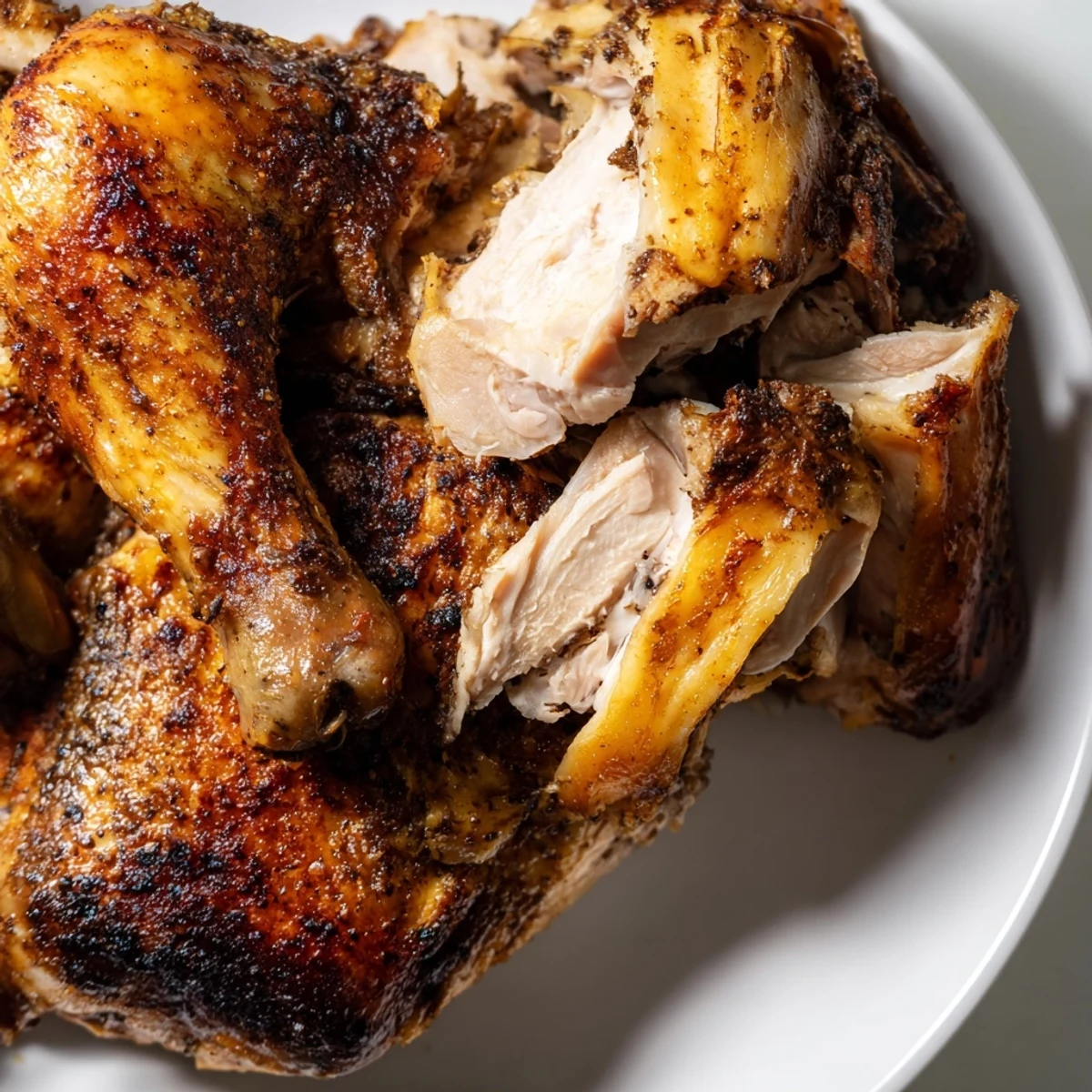
 This aromatic roasted chicken features a simple marinade of olive oil, lemon, and zaatar spice blend that infuses the meat with authentic Middle Eastern flavors. The chicken is roasted until the skin becomes beautifully crispy while the meat remains incredibly juicy and tender. Perfectly seasoned with garlic, salt, and pepper, this dish delivers rich, complex flavors that complement the natural sweetness of the chicken. Serve with roasted vegetables for a complete meal that's both impressive and easy to prepare.
The smell of zaatar toasting in olive oil always pulls me back to a tiny kitchen in Beirut where I watched a friend's grandmother roast chicken with this same spice blend. She told me the secret was patience, letting the aromatics really sink into the meat before any heat touched it. That afternoon changed how I thought about roast chicken entirely.
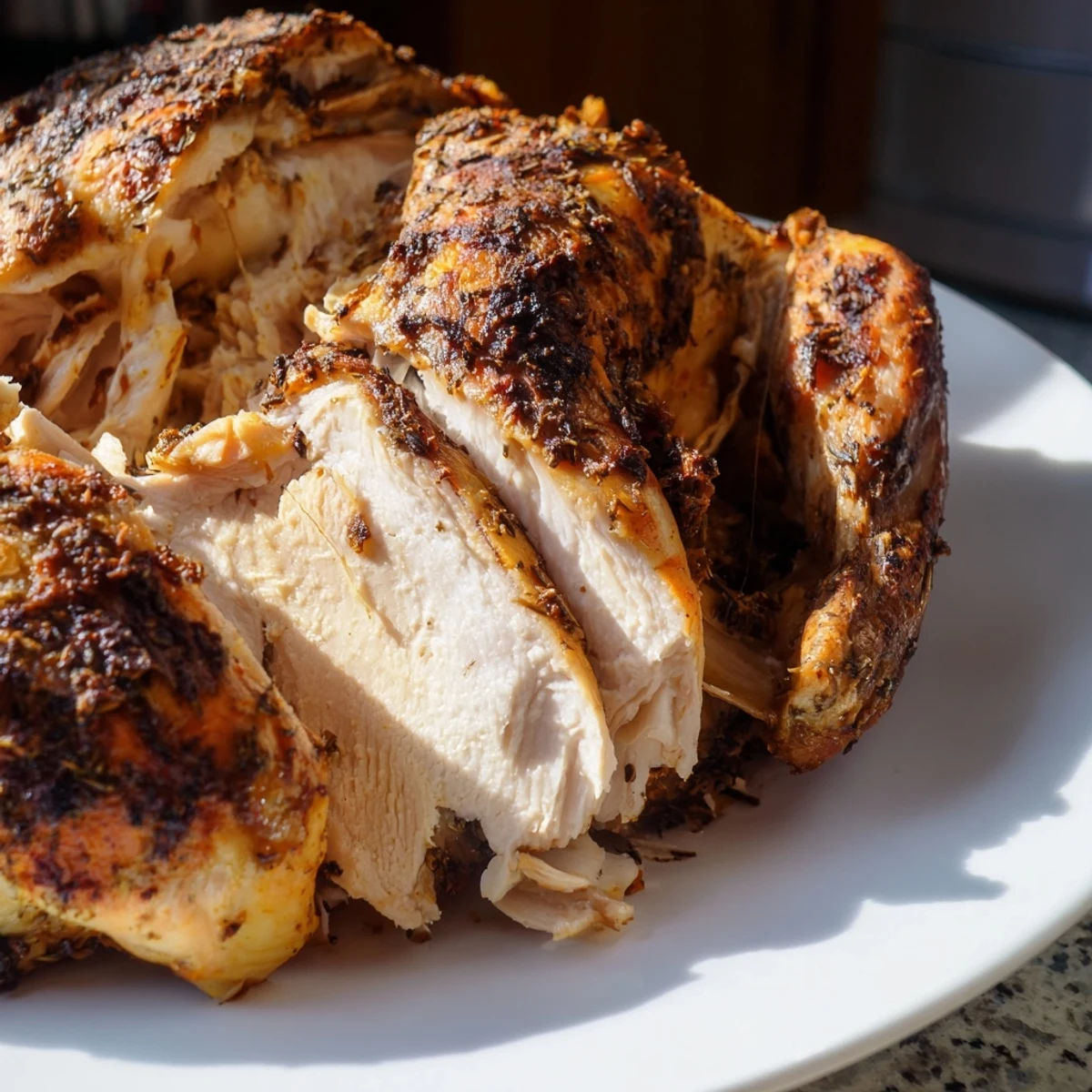
Last winter I made this for a dinner party when I was completely exhausted and needed something impressive but forgiving. Everyone hovered around the oven as the zaatar began to release its earthy, citrusy perfume through the whole house. The chicken emerged with bronzed, crackling skin and the kind of tender meat that makes people go quiet at the table.
Ingredients
- 1 whole chicken (about 1.5 kg / 3.3 lbs), patted dry: Starting with completely dry skin is the difference between golden-crispy and pale-flabby, so take your time patting it thoroughly with paper towels
- 3 tbsp olive oil: Use a decent quality one here since the flavor really shines through in the final dish
- 2 tbsp zaatar spice blend: This is the star of the show so taste your blend first, some brands are saltier than others
- 1 tbsp sumac: Optional but adds this lovely bright, tangy note that cuts through the rich chicken fat
- 1 lemon, zested and juiced: Both parts are essential, zest for aromatic punch and juice for the marinade acidity
- 4 garlic cloves, minced: Fresh garlic matters here, do not try to substitute with garlic powder
- 1 ½ tsp kosher salt: Adjust if your zaatar blend is already quite salty
- ½ tsp black pepper: Freshly cracked makes a noticeable difference
- Vegetables for roasting: Red onion, carrots, and extra lemon become almost caramelized and utterly delicious under the chicken
Instructions
- Make the marinade:
- Whisk together olive oil, zaatar, sumac, lemon zest, lemon juice, garlic, salt, and pepper in a small bowl until it forms a fragrant paste.
- Season under the skin:
- Gently loosen the skin over the chicken breast using your fingers, then rub half the marinade directly onto the meat underneath.
- Coat the exterior:
- Rub the remaining marinade all over the outside of the chicken, getting into every crevice and coating the skin evenly.
- Prep the roasting pan:
- Arrange sliced onion, carrot chunks, and lemon slices in the roasting pan to create a bed for the chicken.
- Marinate the chicken:
- Let it sit at room temperature for 30 minutes, or refrigerate up to 8 hours for deeper flavor penetration.
- Preheat and position:
- Heat your oven to 200°C (400°F) and set the rack to the middle position.
- Roast the chicken:
- Place the chicken breast-side up on the vegetables and roast for 1 hour to 1 hour 15 minutes until juices run clear and the thigh reaches 75°C (165°F).
- Rest before carving:
- Let the chicken rest for at least 10 minutes so the juices redistribute throughout the meat.
 Save to Pinterest
 This recipe has become my go-to for times when I want people to feel properly taken care of without spending all day at the stove. Something about the combination of citrus, earthy herbs, and roasted garlic just says welcome home in a way few dishes can.
Getting That Perfect Crispy Skin
The absolute golden rule is starting with completely dry skin before any marinade touches it. I learned this the hard way after years of rubbery chicken disappointments. Now I take the extra minute to really pat the chicken dry with paper towels, sometimes even letting it air-dry in the fridge for an hour if I am feeling ambitious. That small step makes the difference between skin that shatters beautifully when you bite into it and skin that just sort of sad and flabby.
Marinade Magic
Getting marinade under the skin rather than just on top of it changed everything for me. The fat layer between skin and meat melts during roasting, carrying all those zaatar and garlic flavors directly into the meat itself. At first it feels a bit awkward sliding your fingers under there, but once you get the hang of it, it becomes second nature. The difference in flavor throughout the entire bird, not just on the surface, is absolutely worth the minor fuss.
Vegetable Bed Benefits
The vegetables underneath do double duty, keeping the chicken elevated from direct heat and catching all those incredible pan juices as they render down. By the time the chicken is done, the onions have turned sweet and melting, the carrots are tender and roasted, and the lemon slices have mellowed into something almost jammy. These vegetables end up being the thing everyone fights over at the table, in the best possible way.
- Add baby potatoes or fennel bulbs to the roasting pan for more variety
- Serve with a simple yogurt sauce mixed with lemon and fresh herbs
- A fresh cucumber and tomato salad cuts through the richness beautifully
 Save to Pinterest
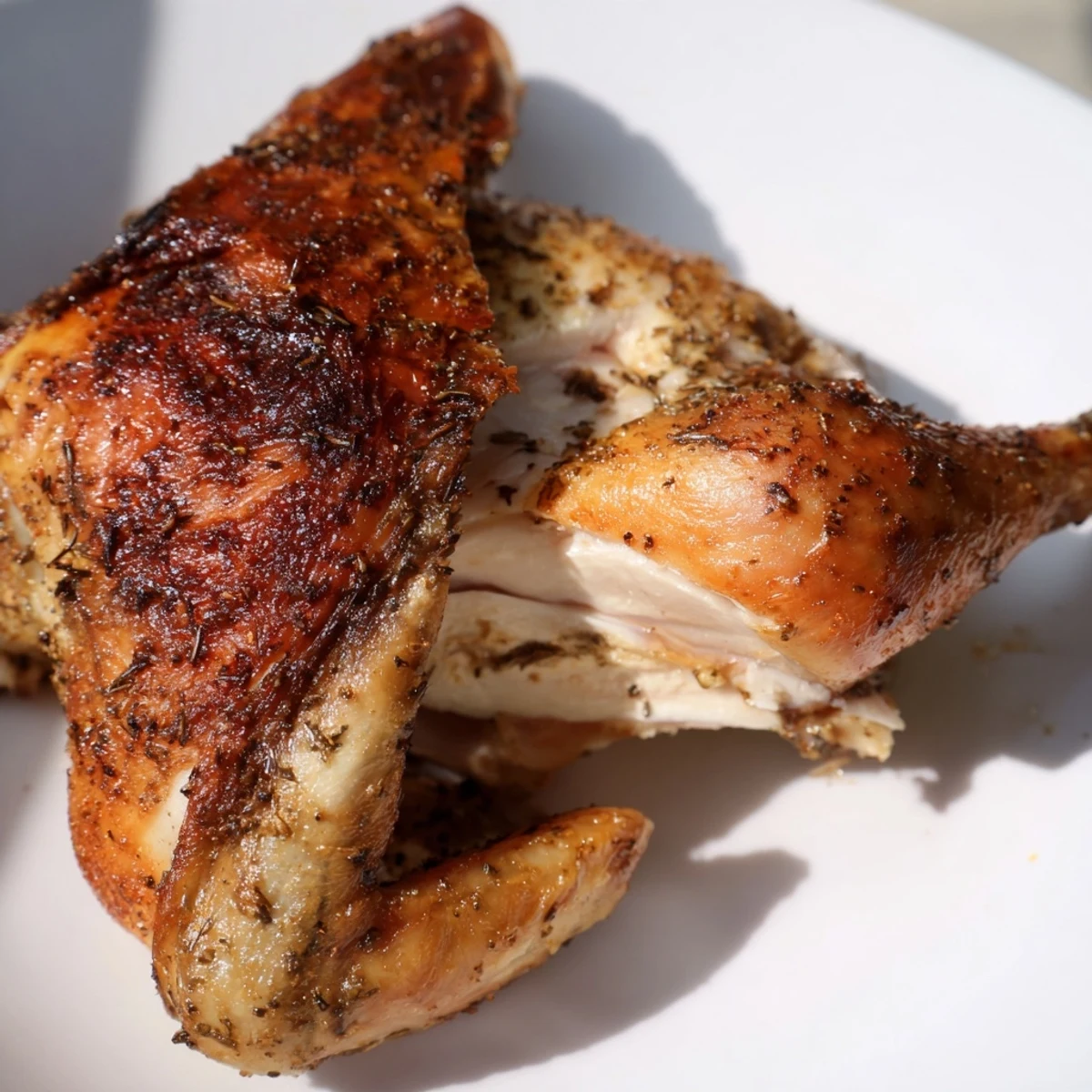
 There is something deeply satisfying about a recipe that delivers such impressive results with such humble ingredients and straightforward technique. This chicken has saved more weeknight dinners and last-minute gatherings than I can count.
Recipe FAQs
- → What is zaatar and where can I find it?
-
Zaatar is a traditional Middle Eastern spice blend typically containing thyme, sesame seeds, sumac, and salt. You can find it in Middle Eastern markets, specialty spice shops, or online. If unavailable, you can make a simple substitute with dried thyme, sesame seeds, and a pinch of sumac.
- → How do I achieve the crispiest skin on the chicken?
-
To get the crispiest skin, make sure the chicken is patted completely dry before applying the marinade. For extra crispiness, uncover the chicken during the last 15 minutes of roasting time. The dry surface and higher heat at the end help create that golden, crispy texture.
- → Can I use boneless chicken instead of a whole chicken?
-
Yes, you can use boneless chicken pieces. Reduce the cooking time to 25-35 minutes depending on the thickness of the pieces. The marinade and cooking method remain the same, though the flavor distribution will be slightly different with boneless cuts.
- → What vegetables pair well with this chicken?
-
Roasted vegetables like red onion, carrots, potatoes, or fennel work beautifully. You can also serve with a fresh cucumber-tomato salad or a creamy yogurt sauce to balance the spices. Pita bread is excellent for soaking up the flavorful juices.
- → How long should the chicken rest before carving?
-
Let the chicken rest for at least 10 minutes before carving. This allows the juices to redistribute throughout the meat, ensuring each bite remains moist and flavorful. Cover loosely with foil to keep it warm during resting.