
 Save to Pinterest
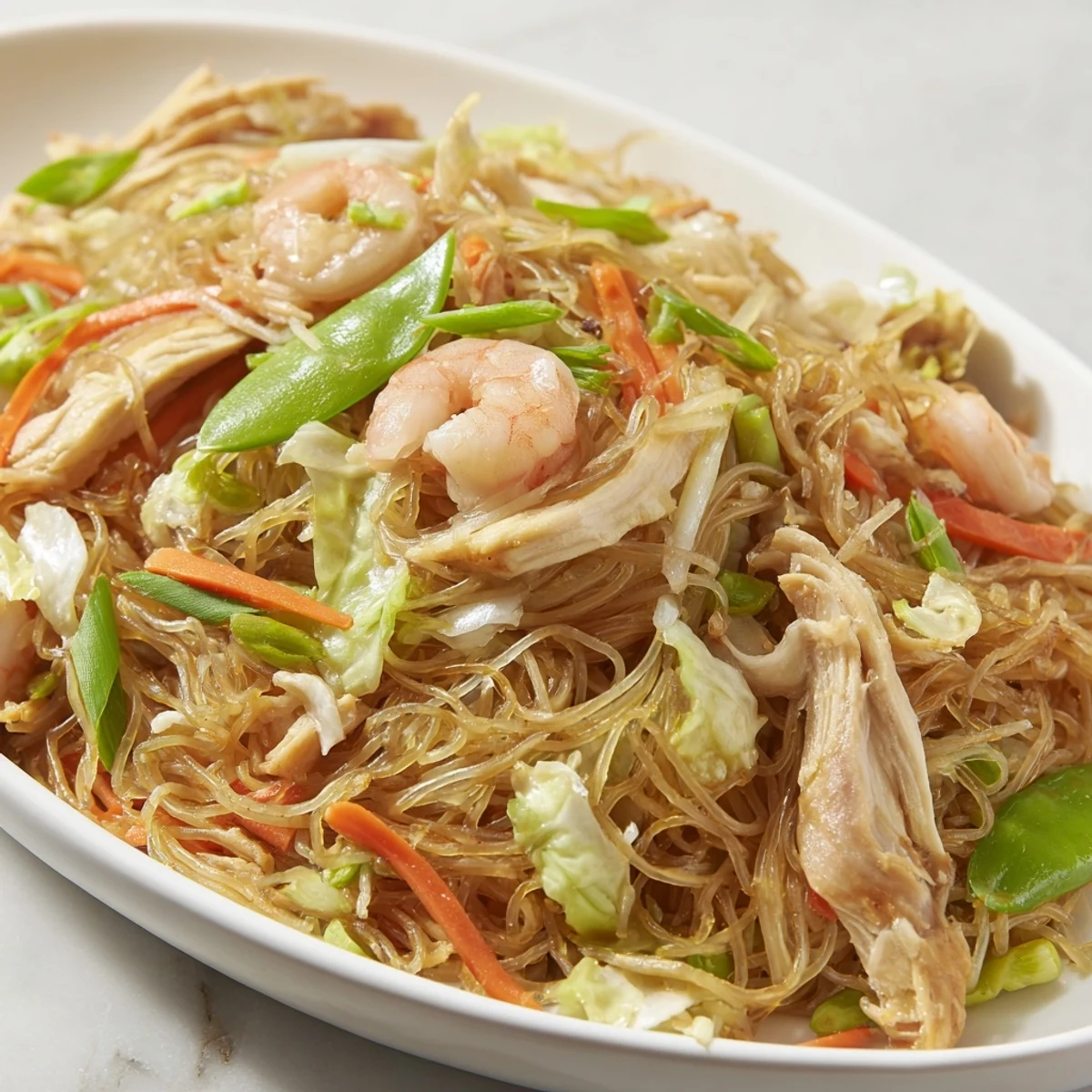
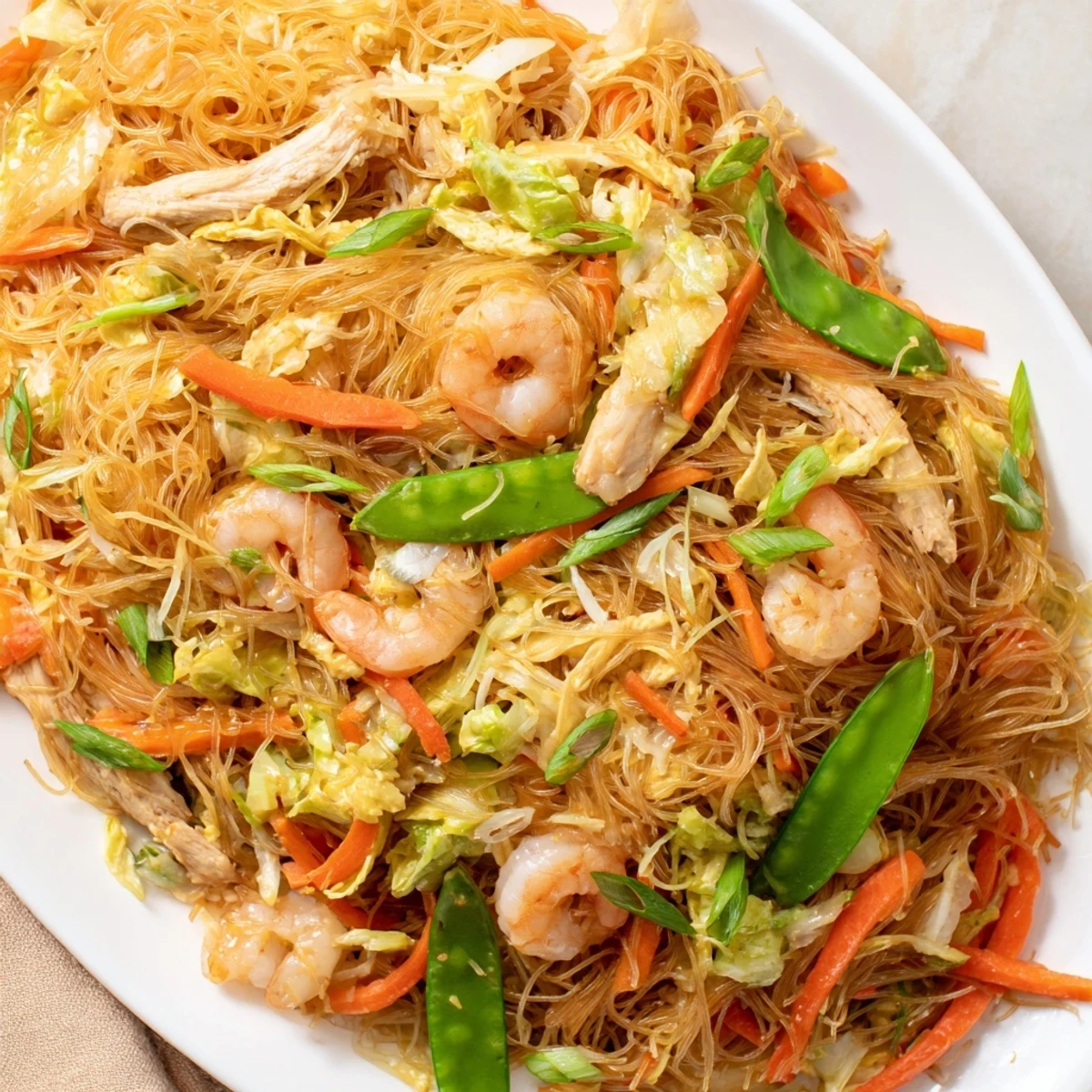
 Experience the vibrant flavors of Filipino cuisine with this classic Pancit Bihon, featuring delicate rice vermicelli noodles tossed with succulent chicken, plump shrimp, and colorful vegetables. The dish gets its signature taste from a harmonious blend of soy sauce, oyster sauce, and aromatic garlic and onions. Ready in under an hour, this beloved staple is perfect for celebrations or casual weeknight dinners, offering a satisfying balance of protein, vegetables, and satisfying noodles in every bite.
The aroma of garlic and onions hitting hot oil always pulls me into the kitchen, no matter what I was doing. I first learned to make Pancit Bihon during a chaotic dinner party where my aunt decided I needed to learn the family recipe right then and there. She measured everything by handful and instinct, while I frantically tried to keep up with notes. Now its become my go-to dish when I need to feed a crowd without spending hours over the stove.
Last Christmas, my youngest cousin declared this the only dish she wanted at our family feast. I ended up making a triple batch in my biggest wok, watching everyone hover around the stove like hungry birds. The way the kitchen fills with that distinctive stir-fry scent makes any gathering feel more festive.
Ingredients
- 200 g boneless, skinless chicken breast: Thinly slice against the grain so every bite stays tender and absorbs the sauce
- 100 g medium shrimp: Fresh or frozen work, but peel them yourself for better flavor control
- 200 g dried bihon noodles: These thin rice noodles are essential and found in Asian markets or the international aisle
- 1 small carrot, julienned: Adds sweetness and that perfect crunch contrast
- 1 cup green cabbage, shredded: Thin ribbons cook quickly and add bulk without heaviness
- 1/2 cup snow peas: Leave them halved rather than chopped for beautiful presentation
- 1 small onion, sliced: Yellow onions work best for their balance of sweet and savory
- 3 cloves garlic, minced: Fresh garlic only, nothing jarred or pre-minced
- 2 tbsp soy sauce: Use a quality brand, preferably Filipino if available
- 1 tbsp oyster sauce: This creates that rich umami depth soy sauce alone cannot achieve
- 1 tsp fish sauce: The secret ingredient everyone notices but cannot name
- 1/2 tsp ground black pepper: Freshly cracked makes a noticeable difference
- 1 cup chicken broth: Homemade is best but store-bought works perfectly
- 2 tbsp chopped scallions: Green parts only for a fresh finish
- 1 lemon or calamansi: The acid squeeze at the end brightens everything
Instructions
- Prep the noodles:
- Soak bihon in warm water for 10 minutes until pliable, then drain thoroughly so they absorb the sauce later instead of staying watery
- Build your aromatic base:
- Heat oil in your wok over medium-high heat, then sauté garlic and onion until translucent and fragrant, stirring constantly to prevent burning
- Cook the proteins:
- Add chicken first, cooking until lightly browned and cooked through, then toss in shrimp and stir-fry until just pink, removing both to prevent overcooking
- Stir-fry the vegetables:
- In the same pan, add carrots, cabbage, and snow peas, cooking for 2-3 minutes until tender but still maintaining their crunch
- Combine everything:
- Return the chicken and shrimp to the pan, pour in soy sauce, oyster sauce, fish sauce, and broth, then bring to a gentle simmer
- Add the noodles:
- Toss in the drained bihon, using tongs to gently combine and let the noodles absorb the sauce for 3-4 minutes until heated through
- Season and serve:
- Add black pepper, adjust seasoning if needed, then transfer to a platter topped with scallions and serve with lemon wedges on the side
 Save to Pinterest
 My neighbor stopped by unannounced while I was making this once, and she ended up staying for dinner. She now requests it every time she comes over, claiming its the only stir-fried noodle dish that does not leave her feeling heavy afterward.
Getting the Right Noodle Texture
The most common mistake is overcooking the noodles during the soak phase. You want them pliable but still slightly firm in the center, like al dente pasta. They finish cooking in the sauce, and this two-stage process creates that perfect bounce.
Making It Your Own
Every Filipino cook has their version, and yours should reflect what you love. My sister adds bell peppers for sweetness, while my friend throws in celery for extra crunch. The foundation stays the same, but the vegetables can shift with what you have on hand.
Serving Suggestions
This dish is traditionally served family style with everyone gathering around the platter. In our house, we fight over the crispy bits that stick to the bottom of the pan.
- Set out small bowls of extra fish sauce for the adventurous eaters
- Have a cold beer or crisp white wine ready to stand up to the bold flavors
- Never forget the calamansi wedges, they are essential at the table
 Save to Pinterest
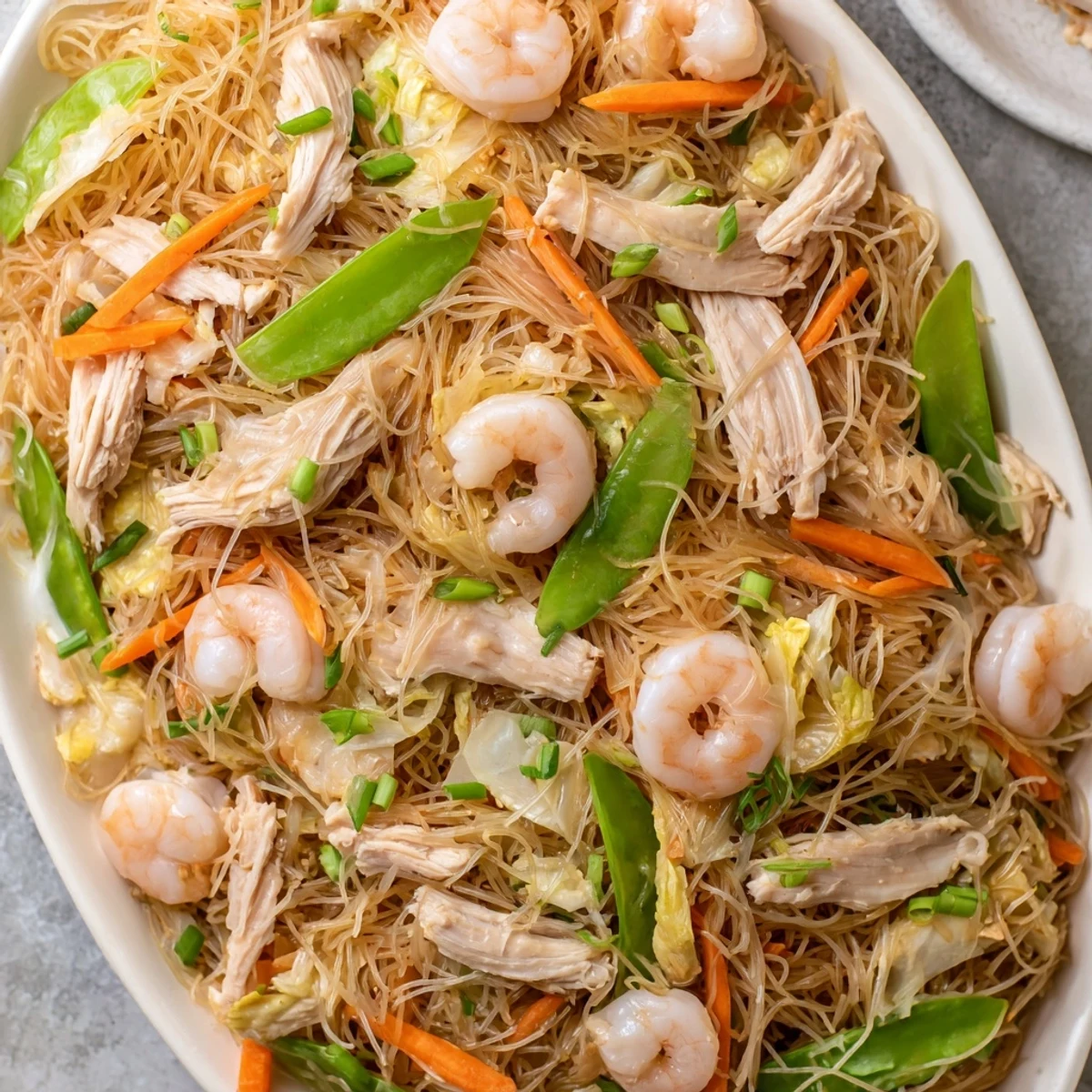
 There is something deeply satisfying about a dish that brings everyone to the table with forks in hand. This Pancit Bihon has become that recipe in our house, the one that disappears first and leaves everyone asking for the recipe.
Recipe FAQs
- → What makes Pancit Bihon different from other pancit varieties?
-
Pancit Bihon uses thin rice vermicelli noodles, which are lighter and more delicate compared to the thicker egg noodles used in Pancit Canton. The rice noodles absorb flavors beautifully and have a subtle sweetness that pairs perfectly with the savory soy-based sauce.
- → Can I prepare Pancit Bihon in advance?
-
Yes, you can prep all ingredients ahead of time. However, it's best to cook the noodles just before serving, as they tend to absorb sauce and may become soggy if left sitting too long. Store prepped vegetables and proteins separately in the refrigerator.
- → What vegetables work best in this dish?
-
Traditional choices include carrots, cabbage, and snow peas for their crunch and color. You can also add bell peppers, snap peas, or bok choy. The key is using vegetables that maintain some texture when stir-fried quickly over high heat.
- → How do I prevent the noodles from becoming mushy?
-
Soak the bihon noodles just until softened—about 10 minutes in warm water. Avoid over-soaking, and drain thoroughly before adding to the pan. Cook them briefly in the sauce just until heated through and coated, about 3-4 minutes.
- → What can I serve with Pancit Bihon?
-
It's delicious on its own as a complete meal, but you can serve it with lumpia (Filipino spring rolls), fried chicken, or a simple green salad. Many families also serve it with additional soy sauce and calamansi on the side for extra seasoning.
- → Is there a vegetarian version of Pancit Bihon?
-
Absolutely! Substitute the chicken with firm tofu cubes and skip the shrimp. Use vegetable broth instead of chicken broth, and replace fish sauce with additional soy sauce or salt for seasoning. The result is still delicious and satisfying.