
 Save to Pinterest
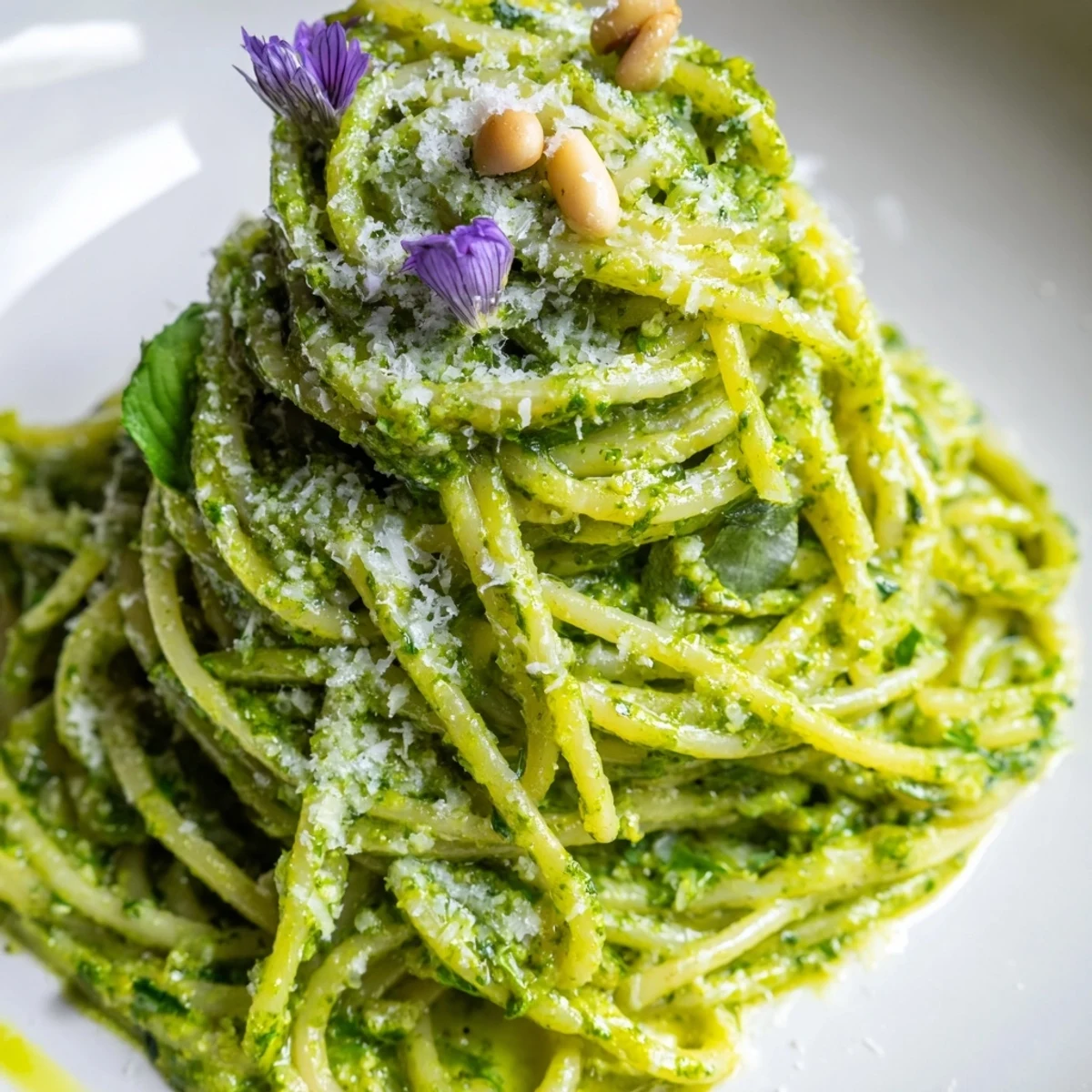
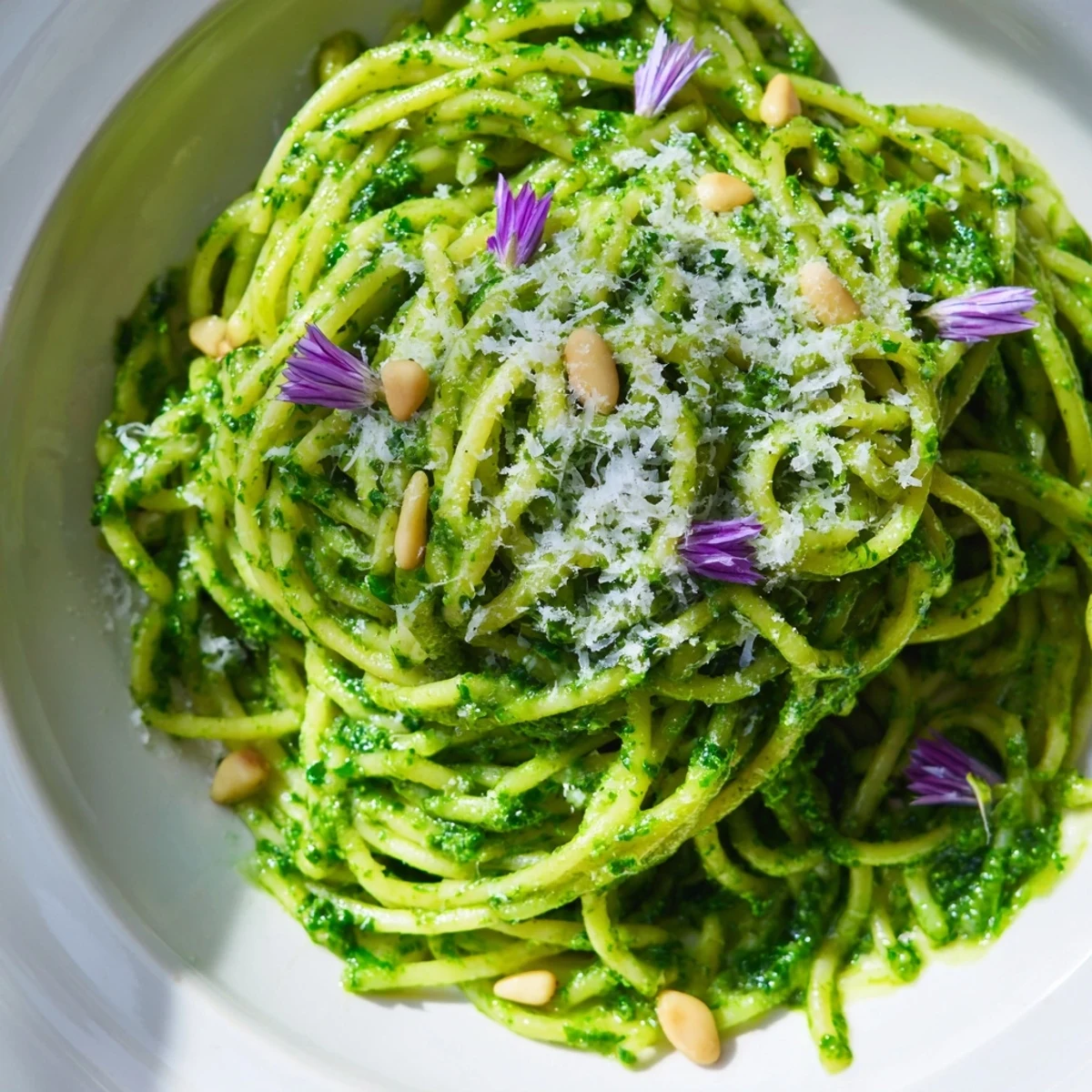
 This wild garlic pesto pasta brings bold, fresh spring flavors to your table in under 30 minutes. Tender pasta is coated in a silky homemade pesto made from foraged wild garlic leaves, toasted pine nuts, and grated Parmesan.
A splash of reserved pasta water creates the perfect sauce consistency, while a squeeze of lemon brightens every bite. Finish with extra Parmesan and edible flowers for a stunning presentation.
The smell hit me before I even saw the leaves. Walking through a damp English woodland in late April, that unmistakable garlicky perfume rising from the carpet of green beneath my boots stopped me midstride. Wild garlic season is maddeningly brief, maybe six weeks if you are lucky, and I have learned to drop everything when it arrives. This pasta is the best way I know to capture that fleeting spring moment in a bowl.
My neighbor Sarah wandered over one evening while I was blitzing a batch in the kitchen with the windows open and asked if I was making something illegal. We ended up eating the entire pot standing at the counter, forks tangled, laughing at how neither of us bothered with plates.
Ingredients
- Dried pasta (400 g, spaghetti or linguine): Long strands grab the pesto beautifully and every bite tastes evenly coated.
- Salt (1 tbsp for pasta water): This is your one chance to season the pasta itself, so be generous here.
- Wild garlic leaves (80 g, washed): The star, fragrant and tender, found in shady woodlands from March to May.
- Pine nuts (30 g): They add a buttery richness that balances the sharpness of the garlic, though walnuts work in a pinch.
- Grated Parmesan (50 g): Brings salty umami depth that rounds everything out perfectly.
- Extra virgin olive oil (80 ml): Use the good stuff here because it is a raw sauce and the flavor really shines through.
- Garlic clove (1 small, optional): Skip this if your wild garlic is very pungent, or add it for an extra kick.
- Lemon (half, juiced): A squeeze of acidity lifts the whole dish and keeps the green color vivid.
- Salt and black pepper (to taste): Season gradually and taste as you go.
- Extra Parmesan and edible flowers (for garnish): Entirely optional but they make the plate look like spring on a plate.
Instructions
- Boil the pasta right:
- Bring a large pot of well salted water to a rolling boil and cook the pasta until just al dente, with a slight bite in the center. Scoop out half a cup of that starchy cooking water before you drain, it is liquid gold for the sauce.
- Blend the wild garlic pesto:
- Toss the wild garlic leaves, pine nuts, Parmesan, olive oil, optional garlic clove, lemon juice, salt, and pepper into a food processor. Blitz until smooth, stopping to scrape down the sides once or twice, then taste and adjust because the garlic potency can vary wildly from batch to batch.
- Marry pasta and pesto:
- Dump the drained pasta back into the warm pot and immediately spoon in the pesto, tossing vigorously. Splash in the reserved pasta water a little at a time until the sauce turns silky and clings to every strand without feeling dry or oily.
- Finish and serve:
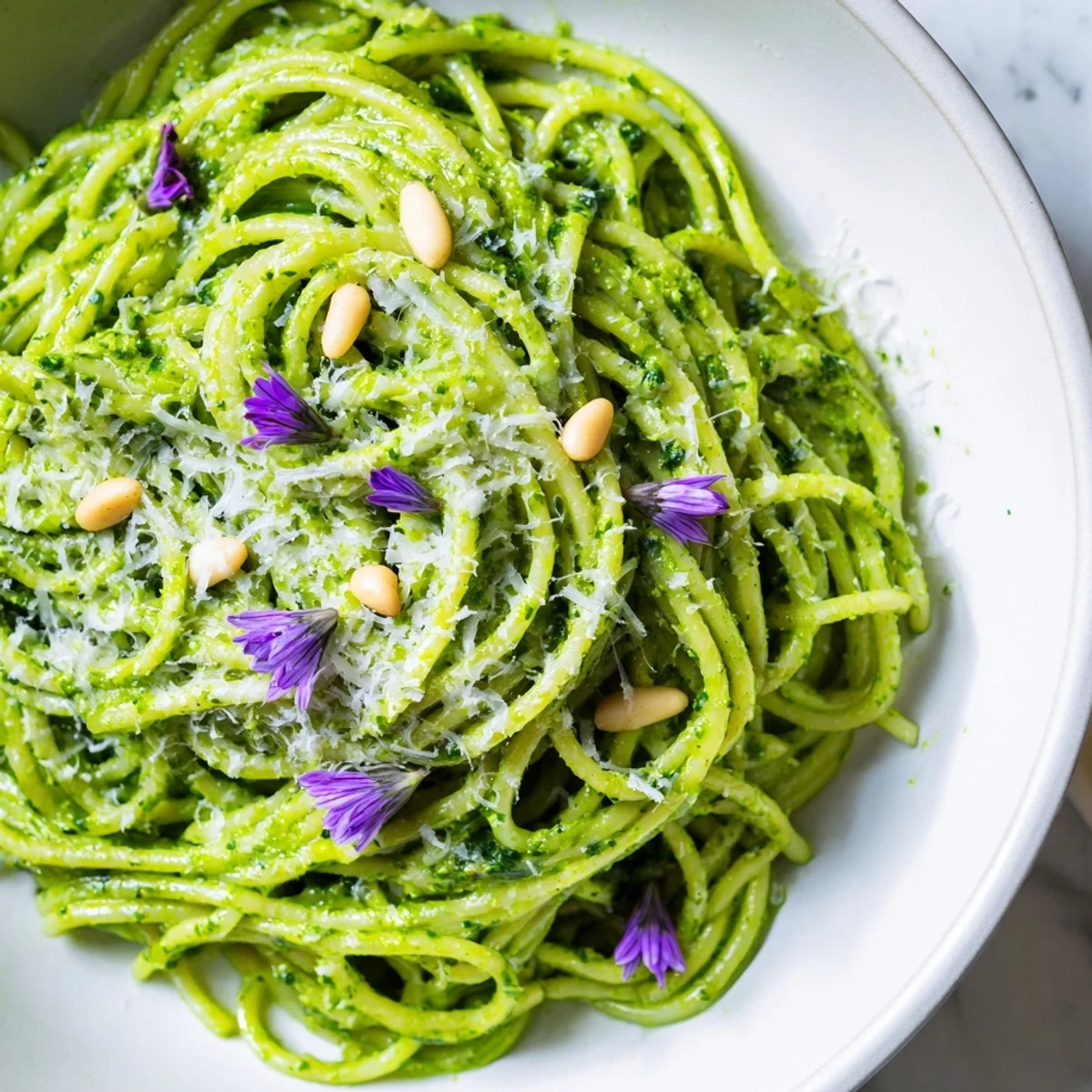
- Divide among warm bowls and scatter with extra Parmesan and a few raw wild garlic leaves or edible flowers if you have them. Serve right away while the aroma is still rising and the pasta is steaming.
 Save to Pinterest
 I once packed a jar of this pesto in my backpack on a train ride to visit my sister and the entire carriage smelled faintly of an Italian hillside by the time I arrived. She opened her front door, sniffed the air, and said nothing, just grabbed two forks and led me to the kitchen.
Smart Swaps and Substitutions
If you cannot find wild garlic, a mix of regular basil and a crushed garlic clove gets you surprisingly close. Nutritional yeast swapped for Parmesan makes this fully vegan without sacrificing that savory backbone, and sunflower seeds stand in beautifully for pine nuts when allergy or budget is a concern.
Pairing It Perfectly
A chilled glass of Pinot Grigio or a dry Vermentino is all this dish needs beside it. The wine should be crisp enough to cut through the olive oil but not so assertive that it fights with the garlic, think refreshing rather than commanding.
Getting the Texture Just Right
The difference between good pesto pasta and unforgettable pesto pasta is that reserved cooking water. Its starch emulsifies the oil and cheese into something creamy rather than greasy, a trick I learned after years of wondering why restaurant pesto always seemed silkier than mine.
- Add pasta water one tablespoon at a time until the sauce moves like a wave when you tilt the pot.
- Toss the pasta for a full minute after adding pesto, it needs that agitation to absorb properly.
- Taste one more time before serving because a final pinch of salt or squeeze of lemon can transform the whole bowl.
 Save to Pinterest
 Every spring I tell myself I will freeze a few batches to last through summer and every spring I eat them all within a week. Some things are just meant to be enjoyed in the moment, wild garlic most of all.
Recipe FAQs
- → What does wild garlic taste like?
-
Wild garlic has a delicate, fresh garlic flavor with subtle onion and chive notes. It's milder and more nuanced than regular garlic, with a pleasant grassy aroma that pairs beautifully with pasta and olive oil.
- → Where can I find wild garlic?
-
Wild garlic, also called ramsons, grows abundantly in woodland areas during spring (March through May). You can forage it yourself or find it at farmers' markets and specialty grocers during its short season.
- → Can I make the pesto ahead of time?
-
Yes, the pesto can be prepared up to 3 days in advance and stored in an airtight container in the refrigerator. Pour a thin layer of olive oil on top to prevent browning and maintain its vibrant green color.
- → How do I prevent the pesto from turning brown?
-
The lemon juice in the pesto helps preserve its bright green color. You can also blanch the wild garlic leaves for 10 seconds in boiling water and immediately plunge them into ice water before blending to lock in the color.
- → What pasta shapes work best with this pesto?
-
Long strands like spaghetti, linguine, or fettuccine work beautifully as the pesto clings evenly to each strand. Short shapes like fusilli or cavatappi also work well, as their ridges and curves hold the sauce effectively.
- → Is this dish suitable for vegans?
-
Simply replace the Parmesan with nutritional yeast to make it fully vegan. Nutritional yeast provides a similar savory, cheesy depth while keeping all the fresh flavors intact.