
 Save to Pinterest
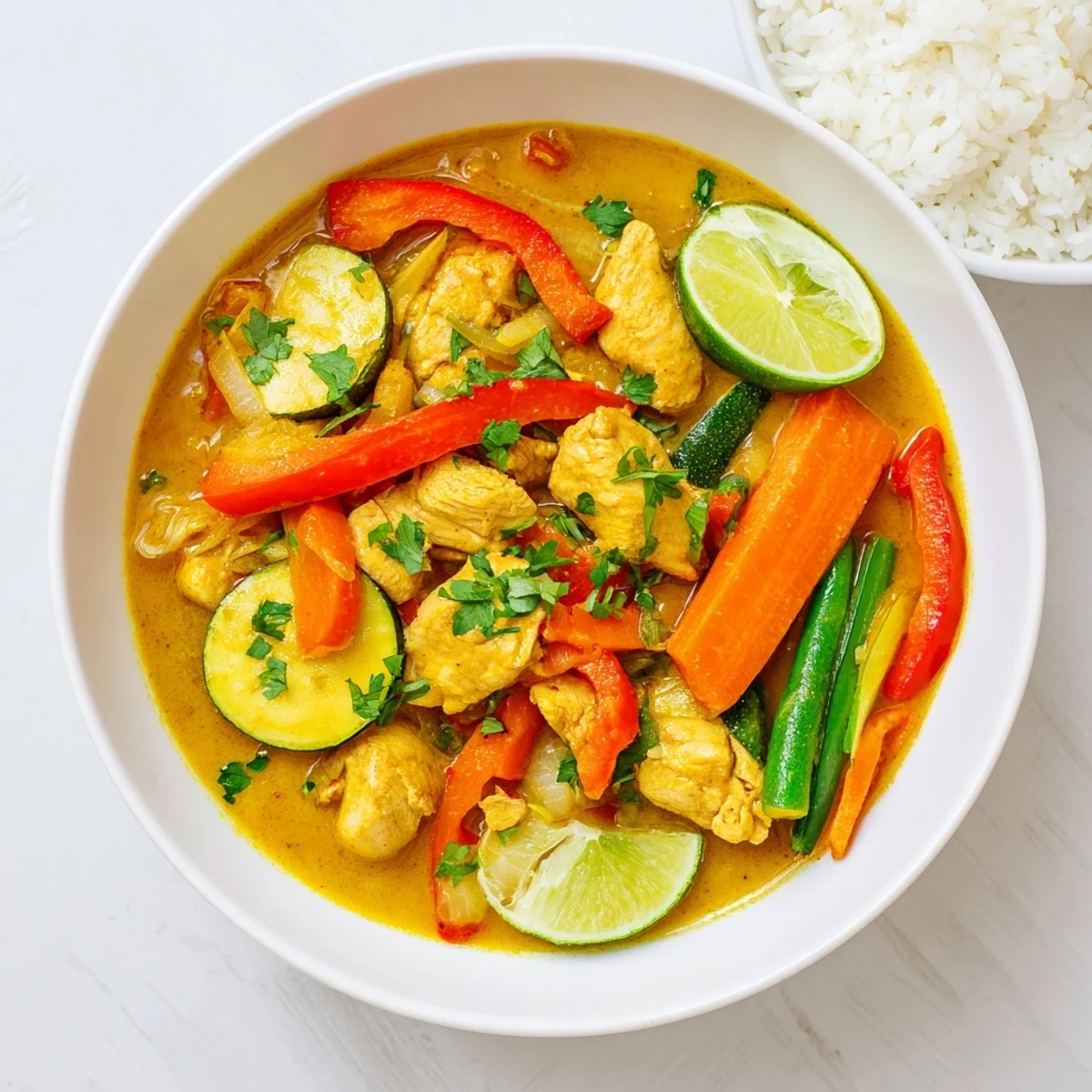
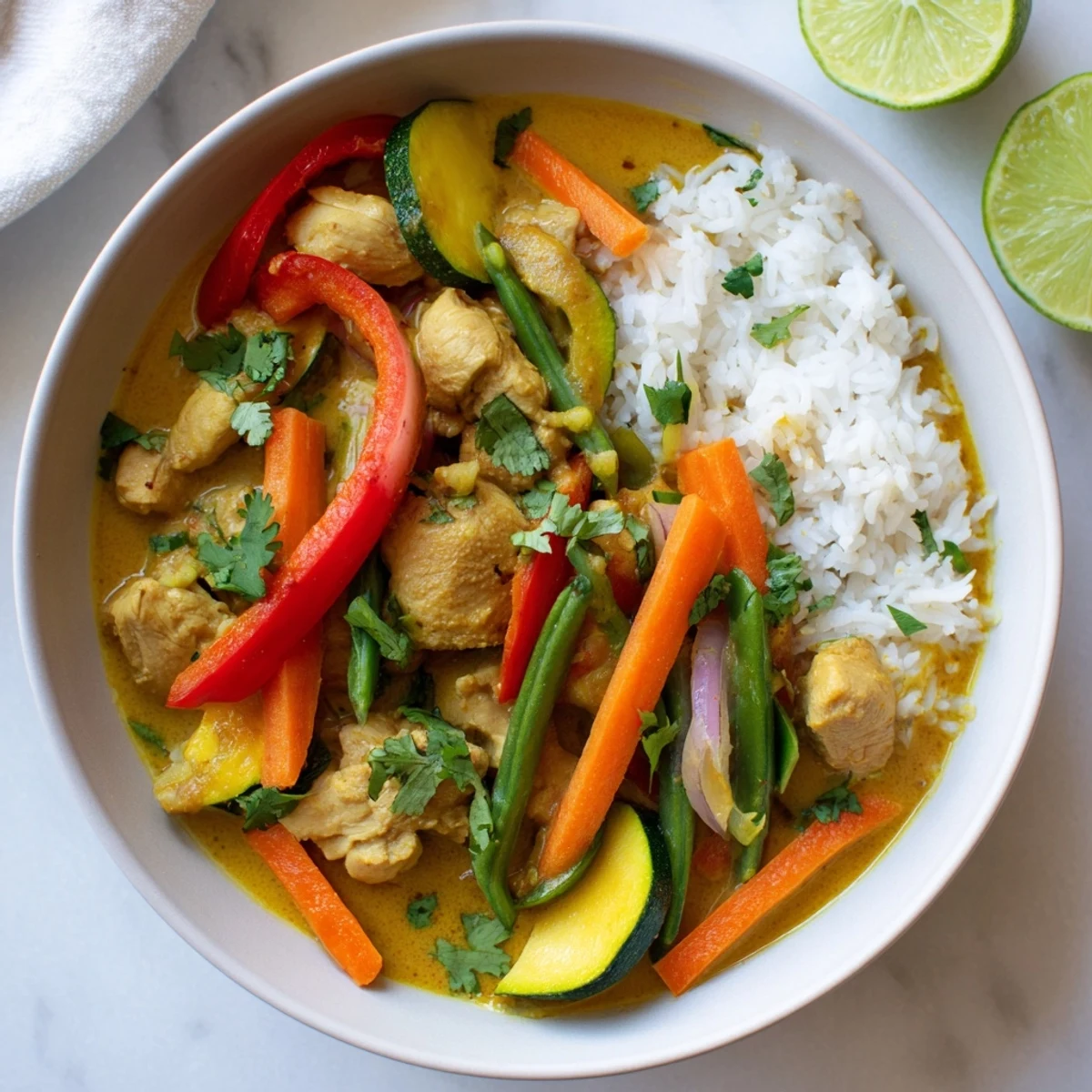
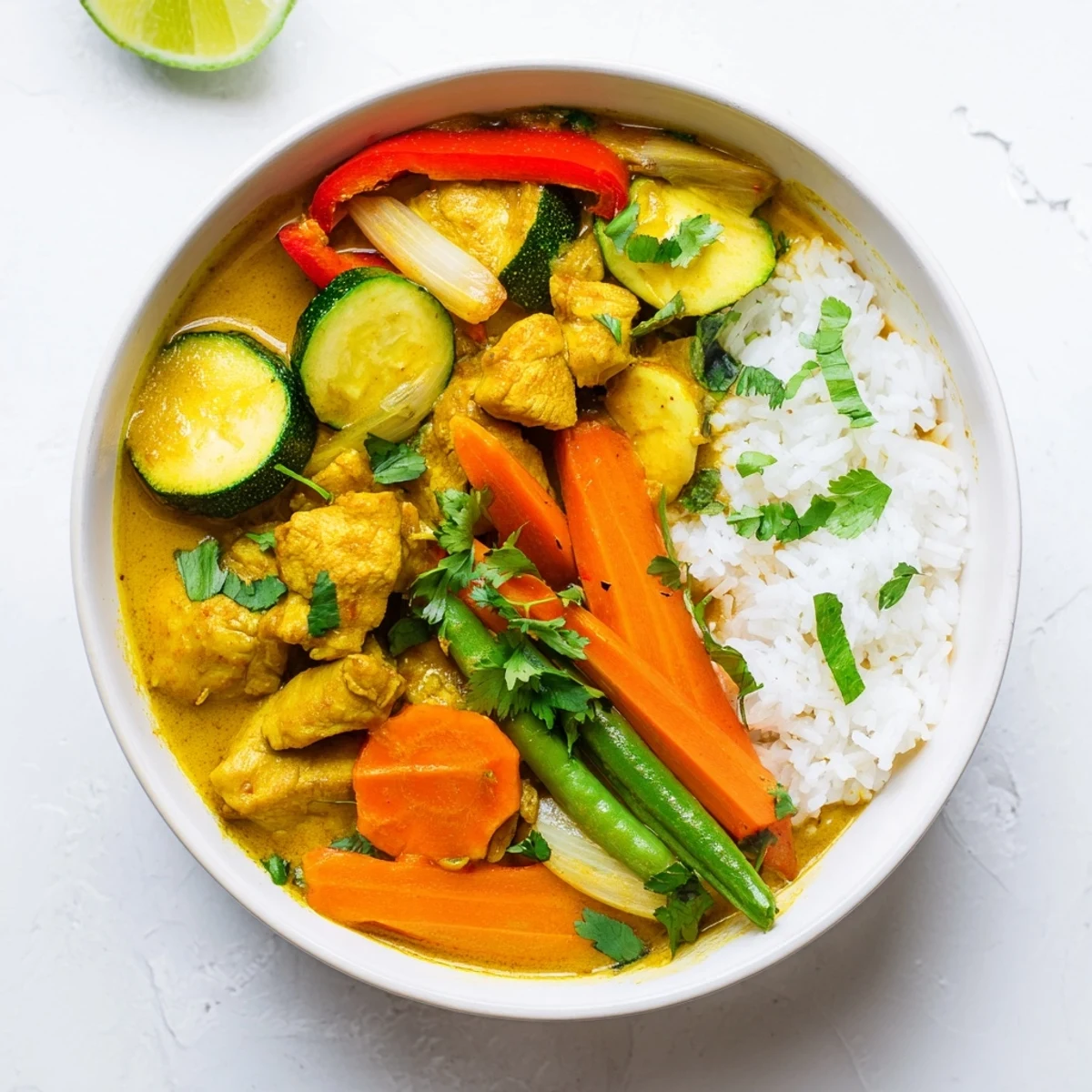
 This vibrant Thai-inspired yellow curry features tender pieces of chicken simmered in a rich, fragrant coconut curry sauce. The dish combines fresh vegetables like bell pepper, zucchini, carrot, and green beans with aromatic ingredients including garlic, ginger, lemongrass, and kaffir lime leaves. Ready in under an hour, this medium-difficulty curry serves four and is naturally gluten-free when using tamari. The balance of creamy coconut milk, savory curry paste, and fresh herbs creates a satisfying main dish perfect for serving over steamed jasmine rice or rice noodles.
The first time yellow curry crossed my path was at a tiny family-run spot where the owner's grandmother kept bringing out 'just a little taste' until my table was covered in small bowls. That golden coconut sauce somehow managed to be both comforting and excitingly foreign all at once. Now whenever lemongrass hits hot oil in my kitchen, I'm immediately transported back to that night of generous strangers and electric flavors.
Last winter when my sister was recovering from surgery and could barely handle standing at the stove, this curry became our weekly comfort ritual. I'd do all the chopping ahead, then she'd sit at the kitchen table and direct me like a seasoned chef while the aromatics filled our entire apartment. Somehow that simple act of cooking together became the highlight of those long recovery weeks.
Ingredients
- 600 g boneless skinless chicken thighs: Thighs stay juicy and tender in the long simmer unlike breasts which can turn rubbery
- 1 red bell pepper: Adds sweetness and that gorgeous pop of color against the golden sauce
- 1 zucchini: Soaks up the curry flavors beautifully while maintaining just enough bite
- 1 carrot julienned: The thin cut cooks through evenly and brings a natural sweetness
- 100 g green beans: Keep them slightly crisp for texture contrast in every spoonful
- 1 onion thinly sliced: The foundation that mellows into sweetness as it cooks down
- 3 cloves garlic: Dont skimp here because garlic forms the aromatic backbone
- 1 tbsp fresh ginger grated: Use fresh not paste for that bright zing that cuts through the coconut
- 2 stalks lemongrass: Bruise them with your knife to release those citrusy oils before adding
- 3 kaffir lime leaves: Optional but worth seeking out for that distinct floral note
- 1 handful fresh cilantro: The finishing bright herb that wakes up the whole dish
- 2 tbsp yellow curry paste: Taste your brand first since heat levels vary wildly between makers
- 400 ml coconut milk: Full fat is worth it here for that velvety rich mouthfeel
- 200 ml chicken stock: Thins the sauce slightly without watering down the flavor
- 1 tbsp fish sauce: The salty umami secret that makes everything taste restaurant-quality
- 1 tbsp soy sauce or tamari: Adds depth and another layer of savory richness
- 1 tsp brown sugar: Just enough to balance the salty elements and highlight the natural sweetness
- 1 tbsp vegetable oil: A neutral canvas for blooming all those spices
Instructions
- Get your aromatics dancing:
- Heat that oil in your wok or deep skillet over medium heat then toss in the onion slices for 2 minutes until they start to soften and turn translucent
- Build the fragrance base:
- Add the garlic ginger and bruised lemongrass cooking for just one minute until your kitchen smells absolutely incredible but before anything can burn
- Wake up the curry paste:
- Stir in the yellow curry paste and let it cook for a full minute to bloom those spices until the oil starts to separate and you can really smell the heat
- Sear the chicken:
- Add the chicken pieces and sauté for about 5 minutes until lightly browned on all sides creating little flavor pockets that will deepen the sauce
- Create the golden bath:
- Pour in the coconut milk and chicken stock then stir in the fish sauce soy sauce brown sugar and kaffir lime leaves if you found them
- Simmer to perfection:
- Bring everything to a gentle bubble then add all your vegetables and simmer uncovered for 15 to 20 minutes until the chicken is cooked through and the vegetables are tender but still have some life left in them
- The final polish:
- Fish out and discard the lemongrass stalks and kaffir lime leaves then taste your sauce and adjust the seasoning with more fish sauce or a pinch of sugar if needed
- Bring it to the table:
- Serve piping hot over fluffy jasmine rice or rice noodles with a generous scattering of fresh cilantro and lime wedges on the side for squeezing
 Save to Pinterest
 My friend Mai invited herself over for dinner the night I finally nailed this recipe and proceeded to teach me that proper curry eating requires getting your hands involved. We sat on my living room floor with bowls balanced on our laps laughing at our messy attempts to fold rice into the sauce with our fingers like shed grown up doing. Some recipes feed you but this one somehow managed to teach me about letting go of kitchen perfectionism.
Building Your Curry Pantry
After years of buying curry paste then discovering it expired in the back of my cupboard I learned to keep a small jar in constant rotation. The really good brands from Asian markets often have better flavor profiles than the mass-produced ones at regular grocery stores. Once you find one you love stock up because it becomes your instant flavor shortcut for quick weeknight meals.
Making It Your Own
Sweet potatoes are my secret addition when I want something more substantial and they add this incredible creamy texture as they break down slightly in the sauce. Sometimes Ill throw in baby spinach right at the end just to wilt it into the vibrant sauce for extra nutrition without changing the flavor profile. The beauty of yellow curry is how forgiving it is with whatever vegetables you need to use up from your crisper drawer.
Timing Is Everything
Learn which vegetables cook faster than others because nobody wants mushy green beans in their curry. Cut everything to roughly the same size so they finish cooking at approximately the same time. Harder vegetables like carrots and sweet potatoes need about 5 minutes head start on softer ones like zucchini and bell peppers.
- Prep all your ingredients before you start cooking because once you hit the stove this moves fast
- Taste your curry paste first with a tiny bit on a spoon to gauge the heat level
- Make extra rice because this sauce is begging to be soaked up completely
 Save to Pinterest
 Theres something almost meditative about stirring a pot of simmering curry while those warm spices fill every corner of your home. I hope this recipe finds its way into your regular rotation and creates its own memories around your table.
Recipe FAQs
- → How spicy is this yellow jungle curry?
-
The heat level is moderate, coming from the yellow curry paste. You can easily adjust the spiciness by adding fresh chili or chili flakes for extra heat, or reducing the amount of curry paste for a milder version.
- → Can I make this curry vegetarian?
-
Yes, substitute the chicken with firm tofu cubes. Use vegetarian fish sauce or additional soy sauce to maintain the savory depth. The cooking time remains similar, though tofu may need less time to absorb flavors.
- → What vegetables work best in this curry?
-
Bell pepper, zucchini, carrot, and green beans provide excellent texture and flavor. You can also add eggplant, bamboo shoots, or baby corn. Avoid delicate vegetables that might disintegrate during the simmering process.
- → Can I prepare this curry ahead of time?
-
The flavors actually improve overnight. Prepare the curry up to 2 days in advance and store in the refrigerator. Reheat gently over low heat, adding a splash of coconut milk if needed to restore creaminess.
- → What's the best way to serve yellow curry?
-
Serve hot over steamed jasmine rice or rice noodles to absorb the fragrant sauce. Garnish with fresh cilantro and lime wedges for brightness. The traditional accompaniment helps balance the rich, creamy curry.
- → Is this curry gluten-free?
-
Yes, when using tamari instead of regular soy sauce and confirming your yellow curry paste is gluten-free. Always check labels on curry paste and fish sauce as ingredients can vary between brands.