
 Save to Pinterest
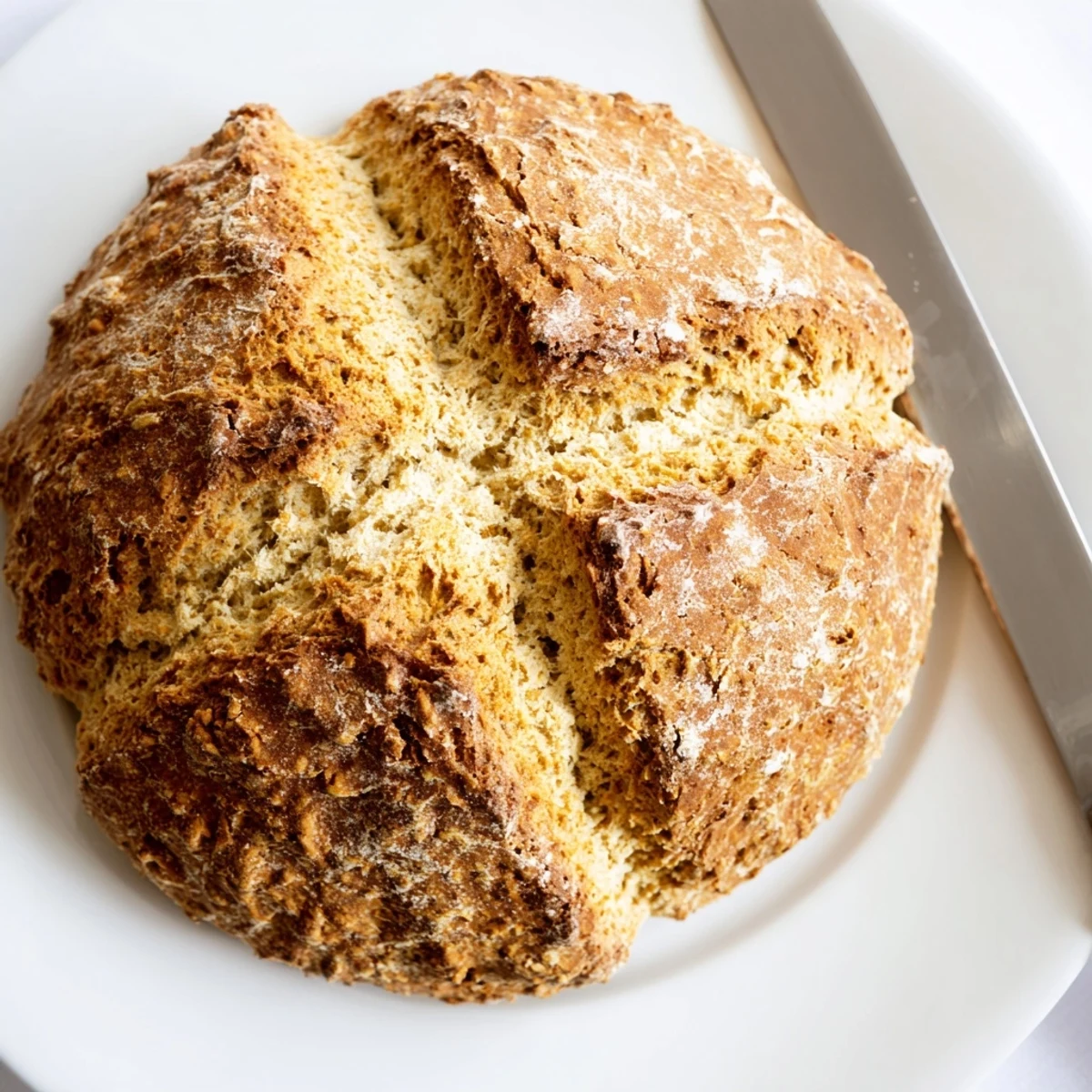
 This traditional Irish loaf features a golden crust with a tender, moist crumb created using only four core ingredients: flour, baking soda, salt, and buttermilk. Preparation is quick and simple, requiring minimal kneading to maintain its rustic texture. A deep cross is cut atop the dough before baking at a high temperature to achieve a crisp exterior. Its hearty flavor pairs wonderfully with breakfast or as an accompaniment to warm stews. Variations include whole wheat flour substitutions and alternative buttermilk preparations. Best served warm with butter or jam.
The smell of buttermilk hitting flour still takes me back to my grandmother's kitchen in County Cork, where rain pattered against the windowpane and her hands moved with such practiced ease through the dough. She never measured anything precisely, and I think that's the beauty of this bread—it's meant to be intuitive, to be felt. Now whenever I need something warm and comforting, I find myself making this same loaf, and that golden crust emerging from the oven feels like coming home.
Last winter, during that terrible snowstorm that kept everyone housebound for three days, my neighbor Sarah knocked on my door with nothing but a container of buttermilk she needed to use. We ended up making this bread together in my tiny kitchen, laughing flour everywhere while the storm raged outside. We ate it warm from the oven with salted butter, watching snow pile up against the glass, and somehow that simple bread made a frightening weather event feel like a memory we'd treasure forever.
Ingredients
- All-purpose flour: The foundation of that tender crumb—use unbleached for the best flavor and texture
- Baking soda: What gives this bread its rise and characteristic slightly tangy taste
- Fine sea salt: Enhances the natural flavors and balances the buttermilk's acidity
- Buttermilk: The magic ingredient that creates both rise and moisture—its acidity activates the baking soda perfectly
Instructions
- Heat your oven:
- Get that oven to 425°F and line your baking sheet—this bread likes a hot start to develop that gorgeous crust.
- Mix the dry ingredients:
- Whisk the flour, baking soda, and salt together in a large bowl until they're one happy family.
- Make the dough:
- Create a well in the center, pour in the buttermilk, and stir gently until you have a shaggy, slightly sticky dough.
- Shape it gently:
- Turn the dough onto a floured surface and bring it together just enough—overworking makes it tough.
- Score and bake:
- Form a round loaf, cut that traditional deep X on top, and bake until it's golden and hollow-sounding.
 Save to Pinterest
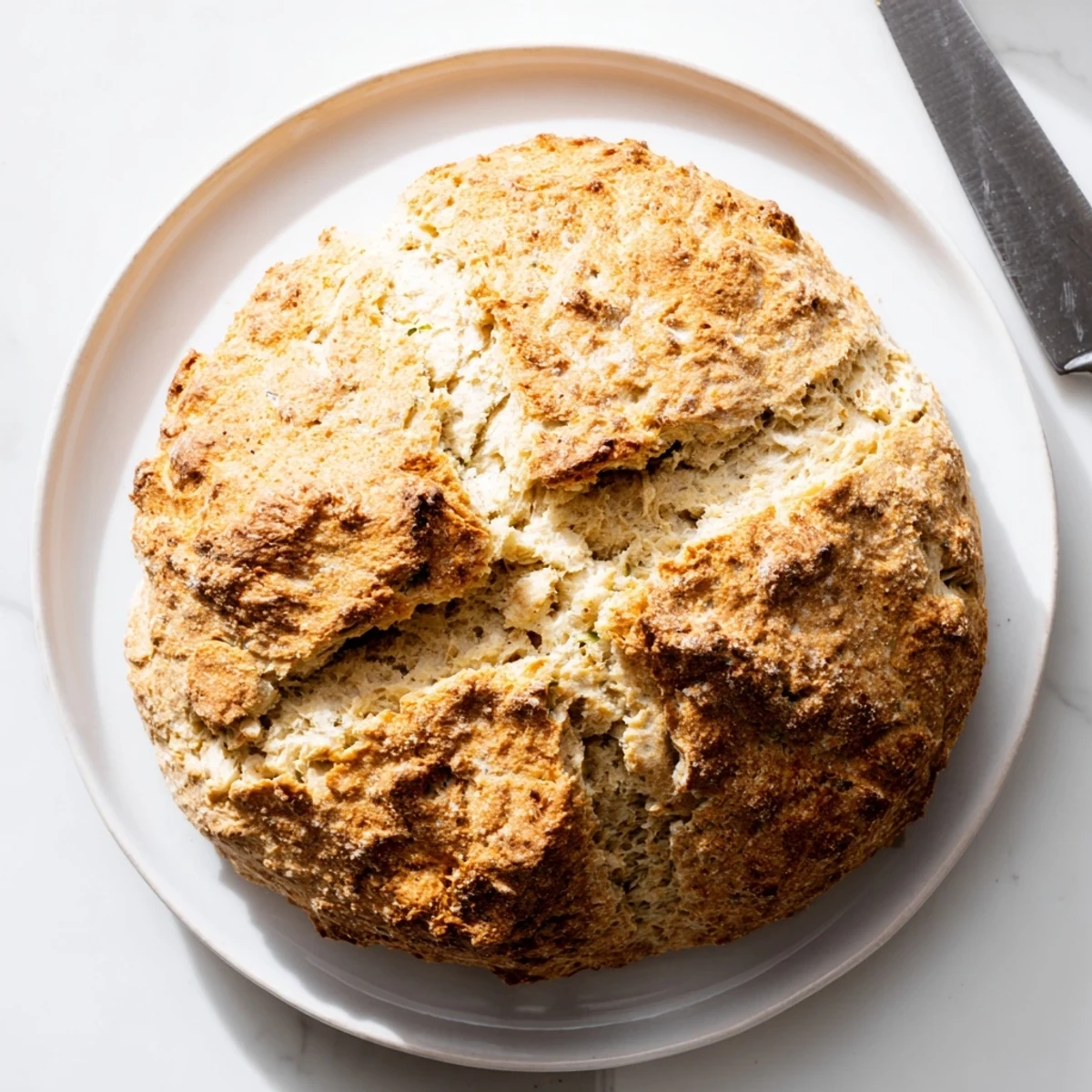
 My daughter insisted on being the one to cut the X this past Sunday morning, her small hands holding the knife so carefully. When the bread came out of the oven, she looked at it with such pride, as if she'd personally discovered fire. We ate it with homemade strawberry jam, and she told me this was the best bread she'd ever had—partly, I suspect, because she'd made her mark on it.
Making It Your Own
After years of baking this loaf, I've found that swapping in some whole wheat flour adds a lovely nuttiness that stands up well to strong cheeses or hearty soups. The whole wheat version also keeps a bit longer, making it perfect for busy weekday breakfasts.
The Buttermilk Secret
Real buttermilk makes a difference you can taste—that tangy richness creates a more complex flavor profile than the milk-and-vinegar substitute, though in a pinch that works perfectly fine. I always keep a carton of buttermilk in the fridge specifically for when the soda bread craving strikes.
Perfect Pairings
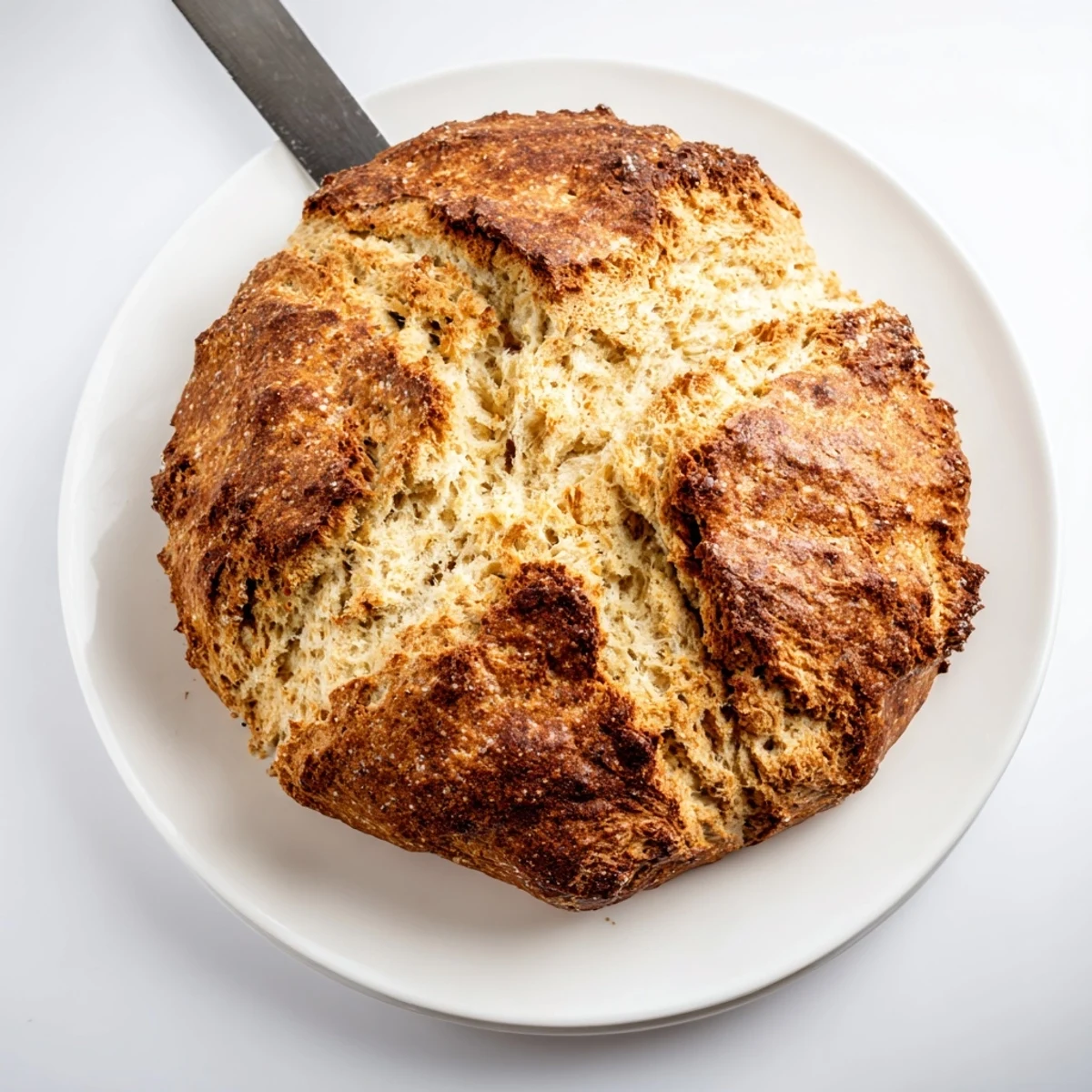
This bread shines alongside a hearty stew or as the foundation for an Irish breakfast, but honestly, my favorite way is simply warm with salted butter melting into every crevice. The contrast between that crackling crust and the soft interior is something special.
- Serve it with soups and stews for soaking up every last drop
- Try it with smoked salmon and a dollop of crème fraîche for an elegant brunch
- Leftovers make incredible toast the next morning—just pop slices under the broiler
 Save to Pinterest
 There's something profoundly satisfying about bread that requires no waiting, no proofing, no anxiety—just straightforward mixing and baking. This is the kind of recipe that makes the kitchen feel like the heart of the home again.
Recipe FAQs
- → What type of flour is best for this bread?
-
All-purpose flour provides a tender crumb, but substituting half with whole wheat flour adds a richer flavor and heartier texture.
- → Can the buttermilk be substituted?
-
Yes, mix milk with lemon juice or vinegar and let it stand for 5 minutes to mimic buttermilk’s acidity and texture.
- → How can I tell when the bread is fully baked?
-
The loaf should have a golden crust and sound hollow when tapped on the bottom indicating thorough baking.
- → Why is a cross cut on top of the dough?
-
Cutting a deep X helps the bread expand evenly during baking and enhances the traditional rustic appearance.
- → What is the best way to serve this bread?
-
Serving warm with salted butter or sweet jam complements its hearty flavor and tender crumb perfectly.