
 Save to Pinterest
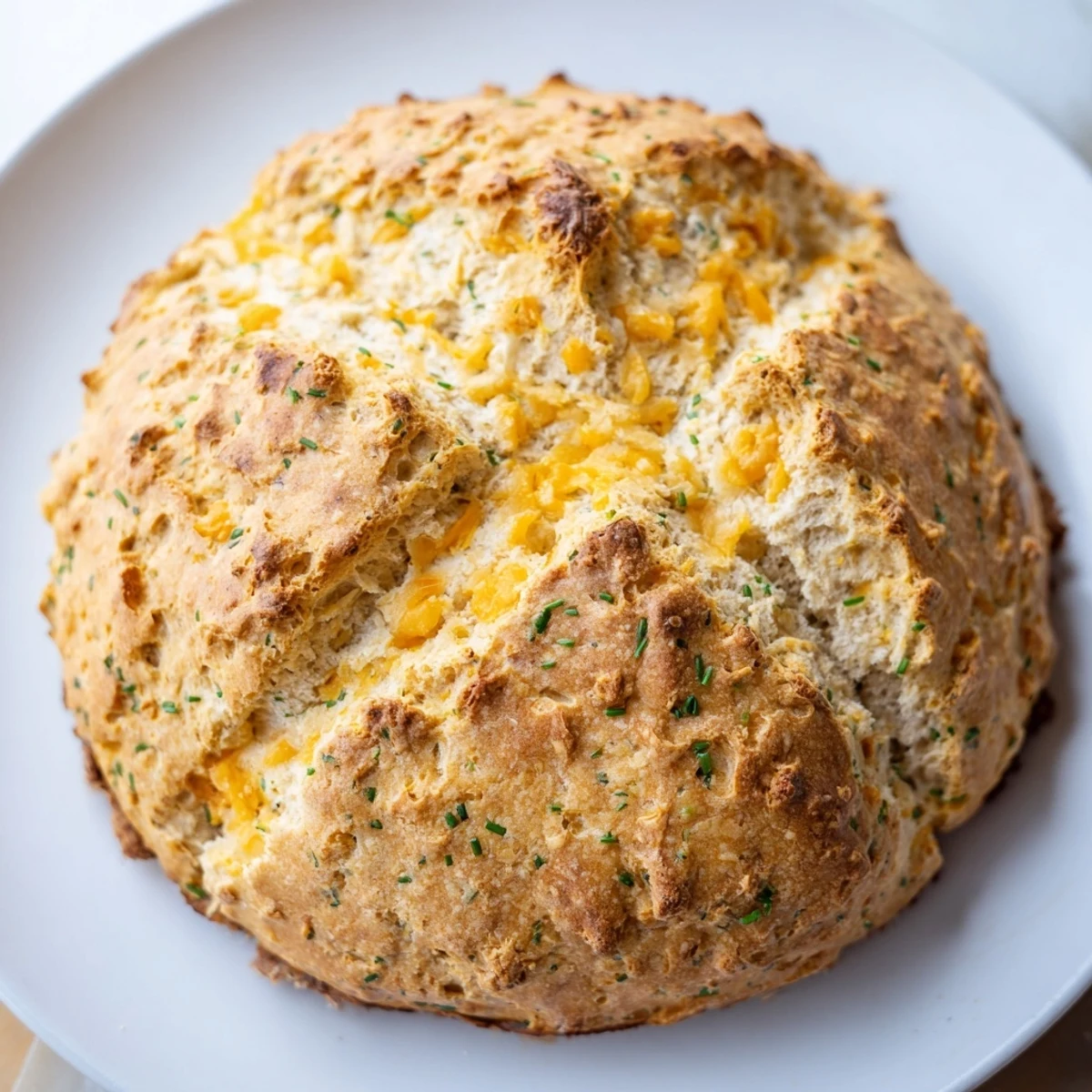
 This Irish loaf blends the sharpness of cheddar with the freshness of chopped chives for a hearty, rustic bread. Quick to prepare, it features a tender crumb and a golden crust rich with cheesy flavor. The dough comes together easily using baking soda and buttermilk for leavening, avoiding yeast and lengthy rises. Ideal served warm with butter or alongside soups and stews, this bread brings comforting tastes with simple ingredients.
The snow was falling sideways when I first pulled this bread from the oven, the golden crust catching the weak afternoon light while cheese-scented steam curled up toward the ceiling. I had been craving something substantial and warm, the kind of bread that makes you feel safe indoors while the wind howls outside. That first slice, slathered with melting butter, disappeared faster than I could reach for a second. My kitchen smelled like an Irish farmhouse, and I knew this recipe would become a winter staple forever.
Last November, my sister came over with a pot of potato leek soup, and I threw together this bread at the last minute. We stood in the kitchen, tearing chunks off the warm loaf and dipping them directly into her soup, both of us too impatient to bother with proper bowls. She texted me the next morning asking for the recipe, and now she makes it every Sunday. Some dishes just bring people together like that.
Ingredients
- 3 1/2 cups all-purpose flour: The foundation of your loaf—bread flour works too if you want a slightly chewier texture
- 1 tsp baking soda: This is your leavening agent, so make sure it is fresh for the best rise
- 1 tsp fine sea salt: Balances the rich cheese and brings out the wheat flavor
- 1/2 tsp freshly ground black pepper: Adds a gentle warmth that makes the cheese sing
- 1 1/2 cups sharp cheddar cheese, coarsely grated: Buy a block and grate it yourself—pre-shredded cheese has anti-caking agents that prevent proper melting
- 1/3 cup fresh chives, finely chopped: Their mild onion flavor is perfect here, but green onions work in a pinch
- 1 3/4 cups buttermilk: The acidity activates the baking soda and creates that signature tender crumb
- 2 tbsp unsalted butter, melted and cooled: Adds richness and helps create a beautiful golden crust
Instructions
- Get your oven ready:
- Preheat to 400°F (200°C) and line a baking sheet with parchment paper—this prevents sticking and makes cleanup effortless
- Whisk the dry ingredients:
- In a large bowl, combine the flour, baking soda, salt, and pepper until everything is evenly distributed
- Add the cheese and chives:
- Stir in the grated cheddar and chopped chives until the flour mixture looks like confetti
- Make a well and mix:
- Pour the buttermilk and melted butter into the center, then mix with a wooden spoon or your hands until a shaggy dough forms—add another tablespoon of buttermilk if it seems too dry
- Shape the loaf:
- Turn the dough onto a lightly floured surface and gently knead just until it comes together, then shape into a round about 7 inches across
- Score the top:
- Transfer to your prepared baking sheet and use a sharp knife to cut a deep X across the top—this helps the bread bake evenly
- Bake to golden perfection:
- Bake for 30 to 35 minutes until deeply golden and the loaf sounds hollow when tapped on the bottom
- Cool before slicing:
- Let it rest on a wire rack for at least 15 minutes—cutting into hot bread will make the texture gummy
 Save to Pinterest
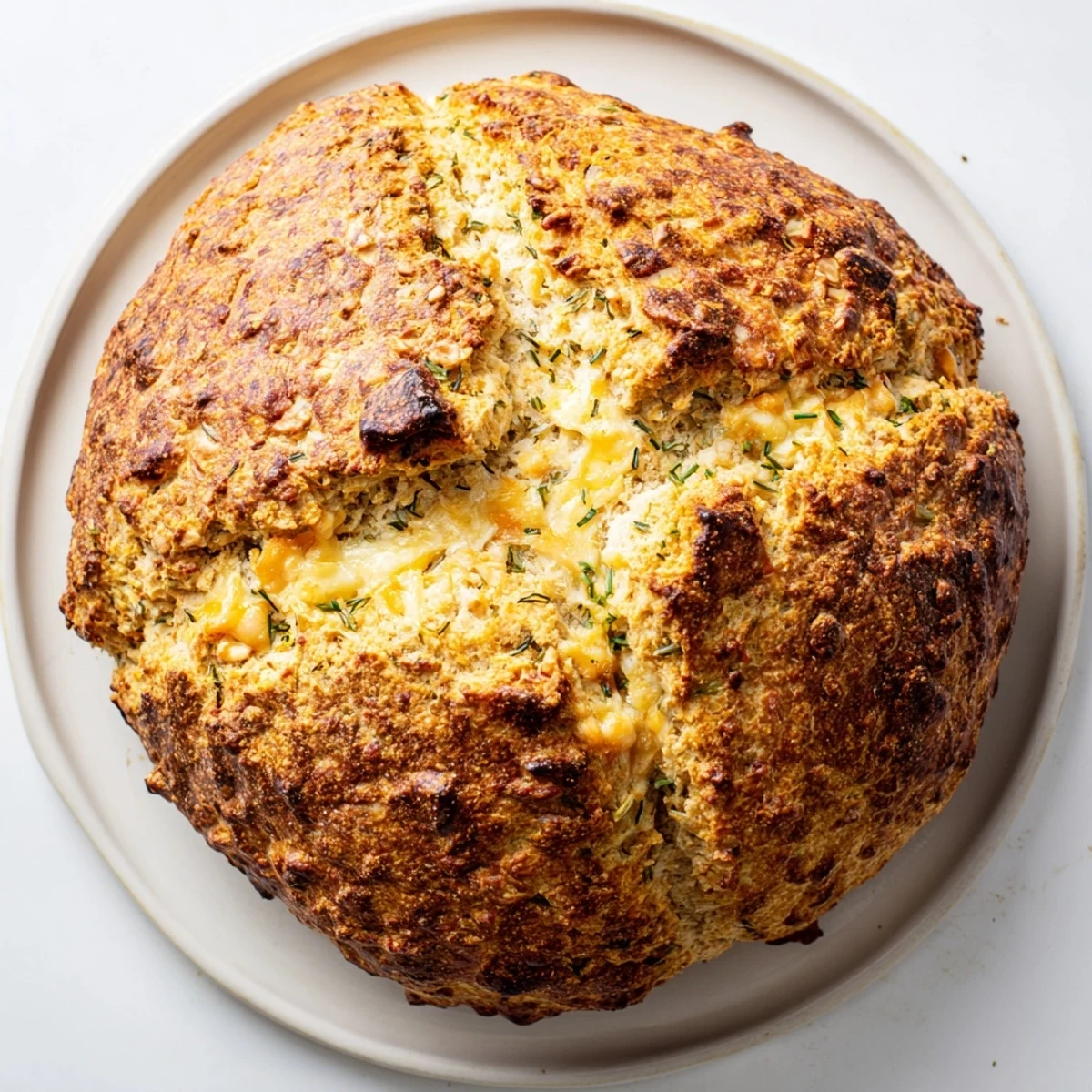
 My husband claims this bread is at its absolute best when eaten standing up, straight from the cooling rack, while the cheese is still molten. I have to agree with him, though I try to maintain some semblance of table manners. There is something about the combination of warmth, cheese, and fresh herbs that makes restraint nearly impossible.
Making It Your Own
Once you have mastered the basic recipe, try adding 1/2 teaspoon of crushed dried thyme or a pinch of cayenne pepper to the dry ingredients for extra complexity. I have also experimented with adding roasted garlic cloves, which take the bread into completely new territory. The beauty of soda bread is how forgiving it is—most additions work beautifully.
Serving Suggestions
This bread was born to accompany hearty soups and stews, especially those with potatoes or beans. I have also served it alongside scrambled eggs at brunch, where it holds its own surprisingly well. Leftovers make excellent toast the next morning, especially when topped with a fried egg.
Storage Tips
Wrap the cooled loaf tightly in plastic wrap and keep it at room temperature for up to 2 days—any longer and it starts to lose its wonderful texture. For longer storage, slice the bread and freeze individual pieces in a freezer bag, then toast straight from frozen.
- Never refrigerate soda bread—it goes stale much faster in the fridge
- To refresh day-old bread, warm it in a 350°F oven for 5 to 10 minutes
- Slice before freezing for easy single-serve portions
 Save to Pinterest
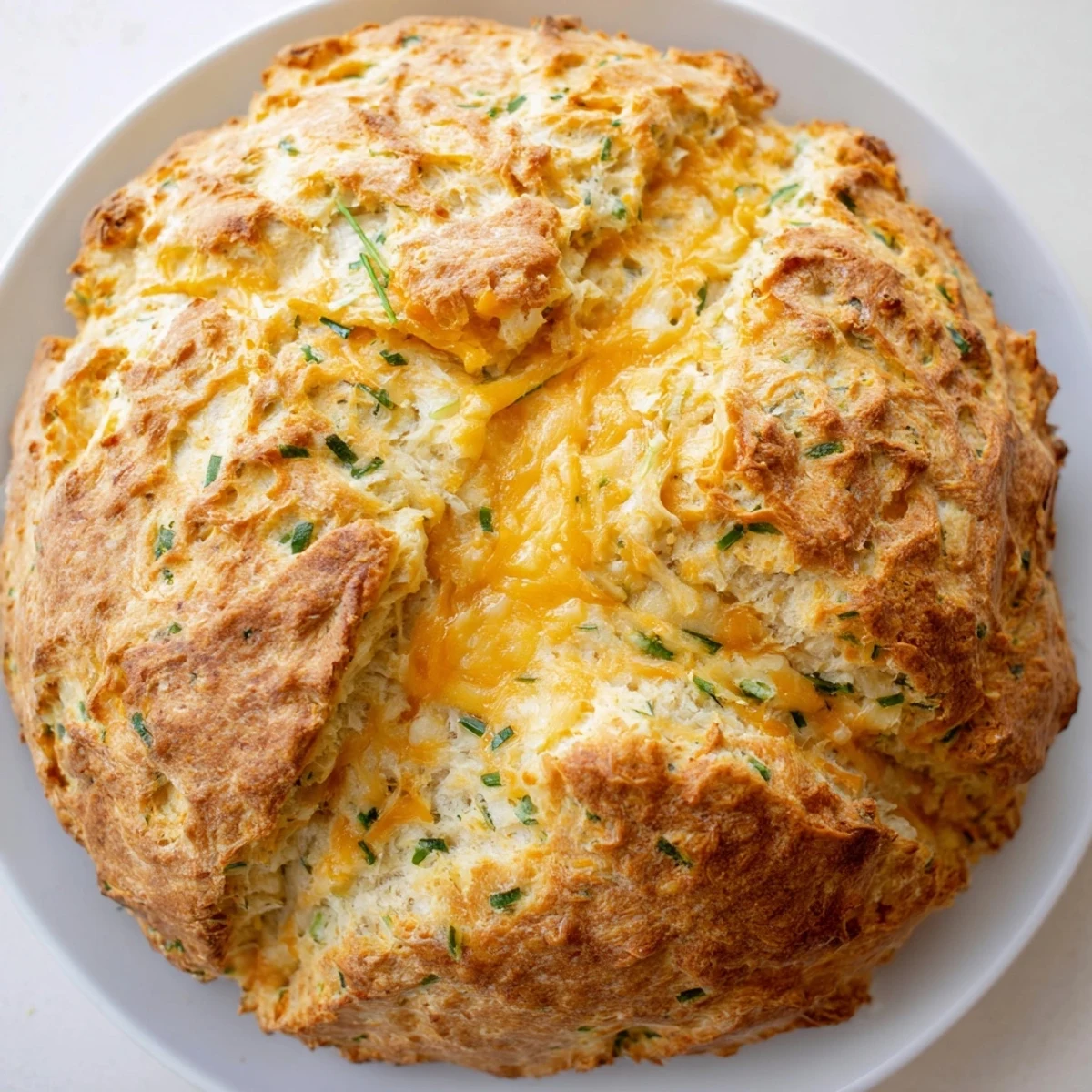
 There is no better feeling than pulling a homemade loaf from the oven, especially one that requires such little effort for such tremendous reward. Grab yourself some good butter and settle in.
Recipe FAQs
- → How do baking soda and buttermilk work in this bread?
-
Baking soda reacts with the acidity in buttermilk to create carbon dioxide bubbles, helping the dough rise without yeast and resulting in a tender crumb.
- → Can I substitute chives with another herb?
-
Yes, green onions or fresh thyme can be used to vary the flavor while maintaining aromatic freshness.
- → What is the ideal texture of this bread?
-
The bread should have a tender interior with a chewy, golden crust and a slightly hollow sound when tapped underneath.
- → How should the dough be handled before baking?
-
Mix until just combined to avoid overworking; gently knead on a floured surface and shape into a round loaf.
- → What are good pairing suggestions?
-
Serve this loaf warm with butter, or alongside hearty soups and stews to complement its savory, cheesy notes.