
 Save to Pinterest
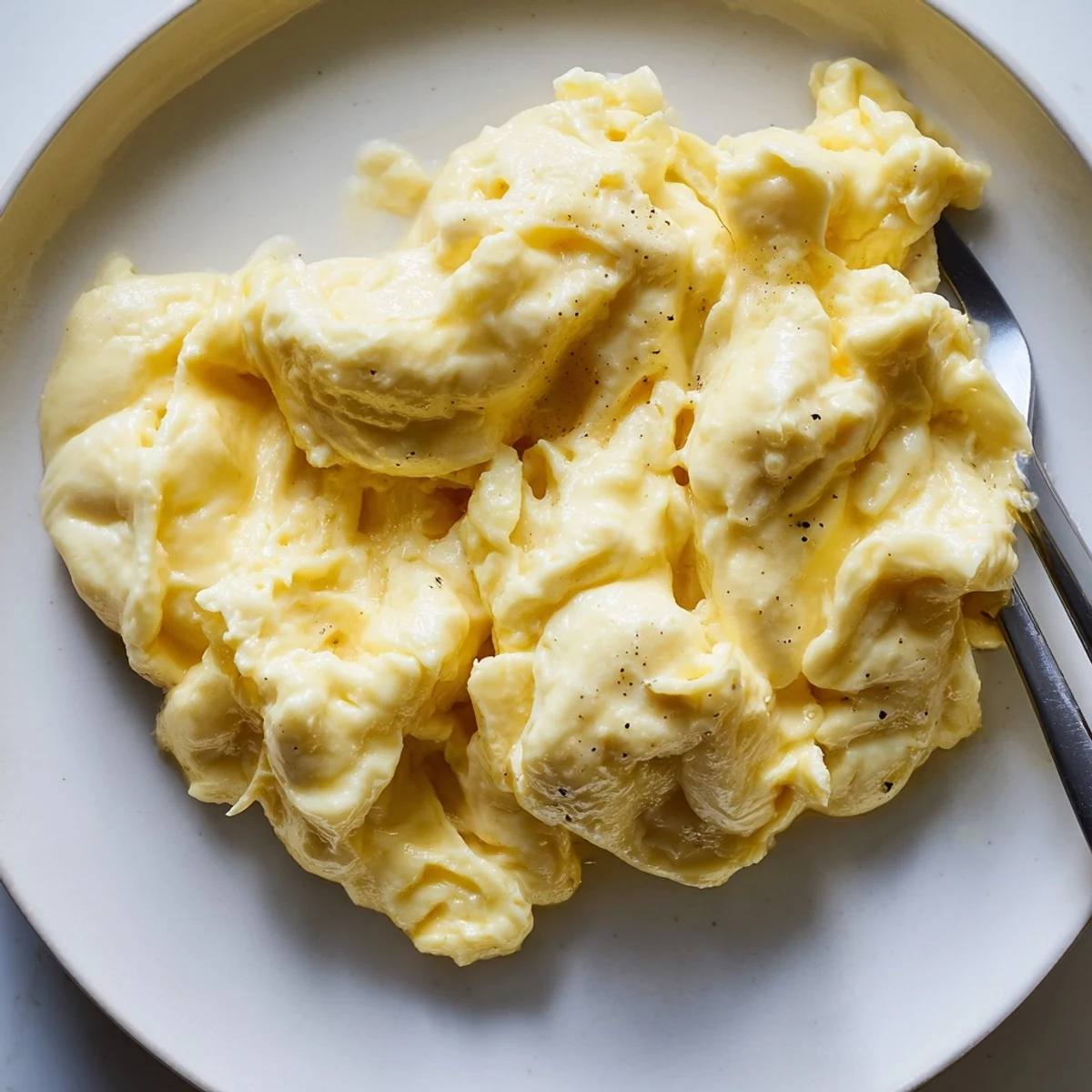
 These perfectly creamy scrambled eggs come together in just 10 minutes for a satisfying breakfast. The secret lies in gentle cooking over medium-low heat and constant movement with your spatula to create those signature soft curds. Whole milk or cream adds richness while butter provides essential fat and flavor. The key is removing from heat while still slightly moist—the residual heat finishes them perfectly.
This versatile dish serves two generously and welcomes endless variations. Fold in fresh herbs like chives or parsley, grated cheese, or sautéed vegetables for added depth. Pair with buttered toast, sliced avocado, or smoked salmon to transform this simple preparation into a complete meal.
My roommate in college taught me how to make scrambled eggs during finals week freshman year. We were both exhausted, surviving on coffee and stress, when she pulled out eggs and butter from our tiny dorm fridge. I had been making them wrong for years, cooking them too fast until they turned into rubbery yellow disks. That morning changed everything about how I approach eggs in the kitchen.
Last winter my partner woke up before me and made these eggs. I walked into the kitchen to the smell of butter melting and the sound of a whisk against ceramic. They had set the table with two plates and coffee mugs, steam rising from both. That small morning gesture felt more special than any restaurant breakfast we have ever shared.
Ingredients
- 4 large eggs: Fresh eggs create better structure and fluffier curds than older ones
- 2 tbsp whole milk or cream: This adds richness and helps create that creamy restaurant style texture
- 1 tbsp unsalted butter: Butter provides superior flavor and helps prevent sticking better than oil
- 1/4 tsp salt: Salt enhances the natural egg flavor and should be added before cooking
- 1/8 tsp freshly ground black pepper: Freshly cracked pepper adds a subtle warmth that pre ground lacks
Instructions
- Whisk your base:
- Crack the eggs into a bowl and add milk or cream along with salt and pepper. Whisk vigorously until the mixture is completely combined and shows tiny bubbles on top.
- Melt the butter:
- Heat butter in a nonstick skillet over medium low heat until it melts completely and starts to gently bubble around the edges.
- Add the eggs:
- Pour the egg mixture into the pan and let it sit undisturbed for just a few seconds until you see the outer edges beginning to set.
- Create soft curds:
- Use a spatula to gently push the eggs from the edges toward the center, forming soft folds and curds as you go.
- Finish cooking:
- Continue gently pushing and folding until the eggs are just set but still look slightly moist and creamy. Remove from heat immediately.
 Save to Pinterest
 My grandmother used to say that scrambled eggs were the true test of a cook. She believed anyone could follow a complex recipe with twenty ingredients but perfect scrambled eggs required patience and attention. I think about her every time I stand at the stove watching butter bubble and waiting for that perfect moment to slide the spatula through the pan.
Choosing Your Dairy
Cream creates the richest most luxurious scrambled eggs while milk keeps them lighter. Half and half strikes a nice balance between the two. I have even used sour thinned with milk for a tangy variation that surprised everyone at brunch. The dairy fat coats the egg proteins preventing them from tightening too much as they cook.
Pan Selection Matters
A good nonstick skillet makes infinitely better scrambled eggs than stainless steel or cast iron. The eggs slide effortlessly across the surface creating those soft folds without sticking or tearing. If you only have stainless steel use more butter and keep the heat lower. A well seasoned cast iron can work but requires practice and confidence.
Perfect Timing Every Time
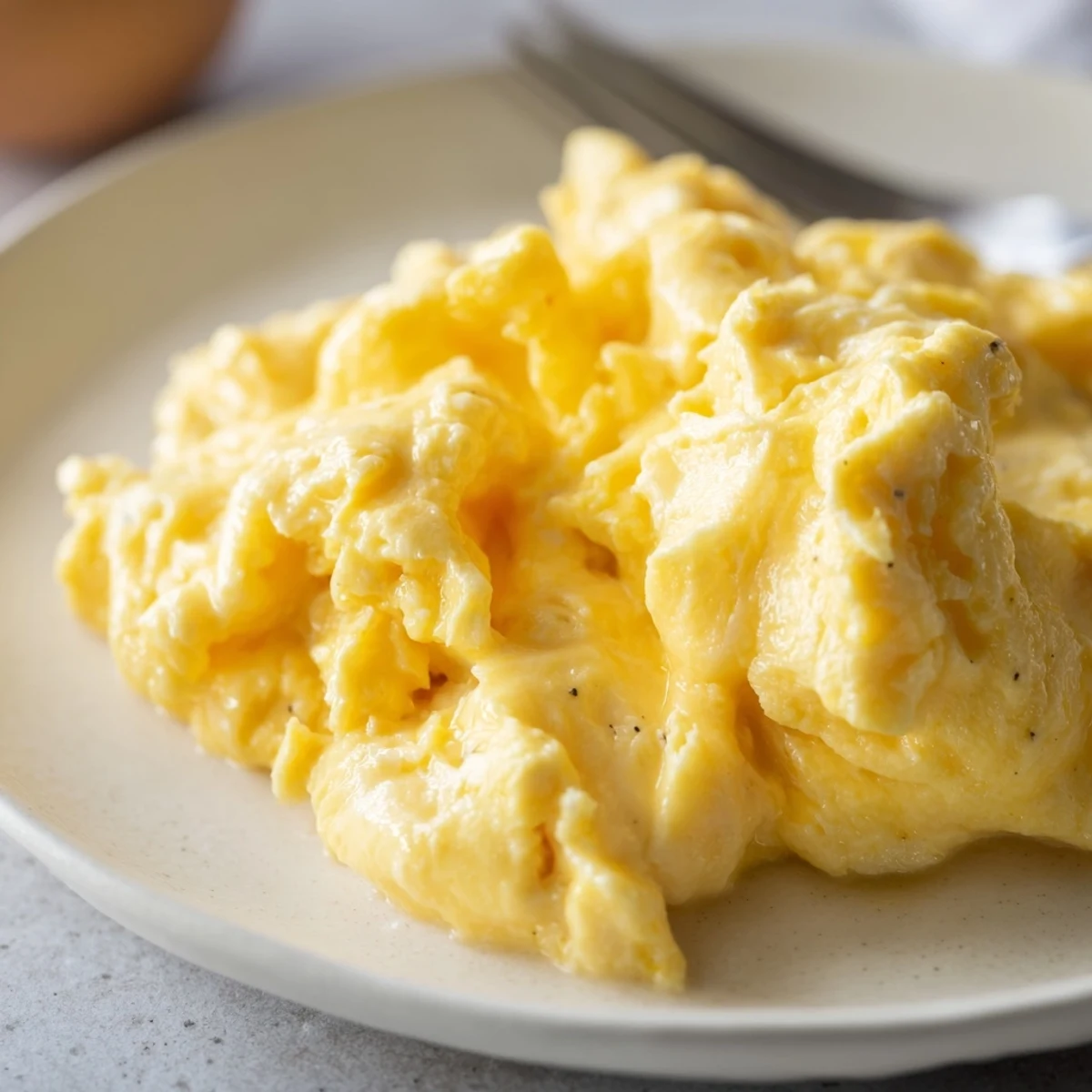
The entire cooking process takes only two to three minutes from pour to plate. Watch for the moment when the eggs look slightly underdone and glisten with moisture. That visual cue means they are finished. Carryover cooking completes the process as you transfer them to a warm plate.
- Have your plates warmed and ready before you start cooking
- Season at the end with extra salt if needed after tasting
- Cleanup is easier if you rinse the pan with warm water immediately
 Save to Pinterest
 These scrambled eggs have become my go to comfort food for any time of day. Simple ingredients treated with care can become something extraordinary.
Recipe FAQs
- → Why add milk or cream to scrambled eggs?
-
Dairy adds fat and creates a creamier texture. Whisking in milk or cream helps incorporate air, resulting in lighter, fluffier curds rather than dense rubbery eggs.
- → What's the ideal pan temperature?
-
Medium-low heat prevents overcooking and sticking. Butter should gently bubble without browning. Too high heat causes eggs to set too quickly, becoming dry rather than creamy.
- → How do I know when scrambled eggs are done?
-
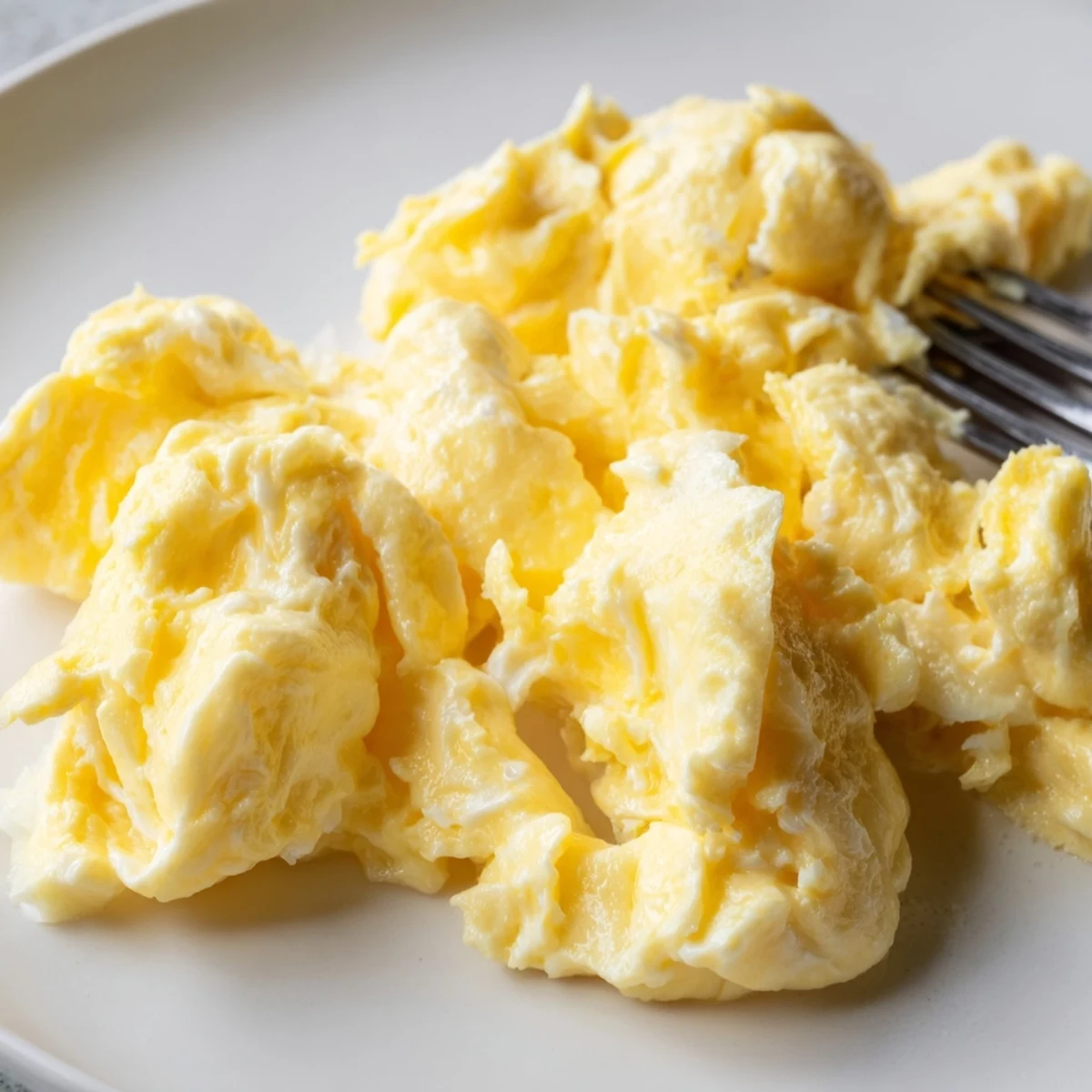
Remove from heat when eggs look slightly underdone and glossy. They should be just set but still moist. Residual pan heat completes cooking, so this timing ensures creamy texture rather than dryness.
- → Can I make these dairy-free?
-
Substitute whole milk with unsweetened almond, oat, or coconut milk. Use dairy-free butter or olive oil instead of regular butter. The technique remains identical—just adjust seasoning to taste.
- → Why do my scrambled eggs turn out watery?
-
Watery results typically mean undercooking or using too much liquid. Ensure eggs spend enough time on heat to set properly. Start with 1 tablespoon dairy per 2 eggs and adjust based on preference.
- → What seasonings work best?
-
Beyond salt and pepper, try fresh chives, parsley, or dill. Finely chopped chives add mild onion flavor. A pinch of paprika or cayenne provides gentle heat. Add fresh herbs after cooking to preserve color and flavor.