
 Save to Pinterest
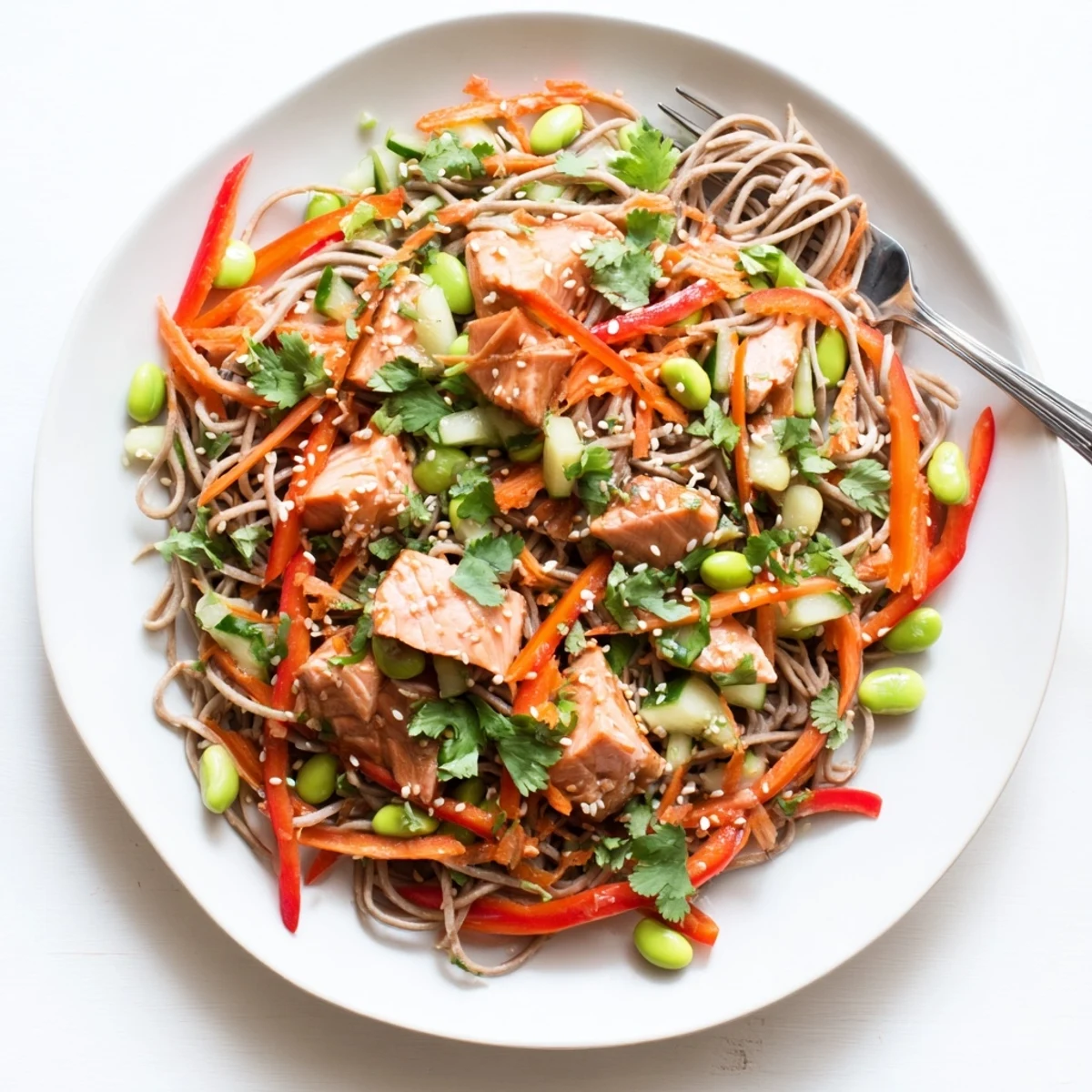
 This vibrant Japanese-inspired bowl combines succulent teriyaki-glazed salmon with nutty buckwheat soba noodles and an array of crisp, colorful vegetables. The fish gets a glossy finish from a quick pan-sear, while the sesame-based dressing brings everything together with its tangy, slightly sweet profile. The entire dish comes together in just 35 minutes, making it perfect for weeknight dinners or meal prep.
Buckwheat noodles provide a satisfying chew and nutty flavor that pairs beautifully with the rich salmon, while fresh vegetables like cucumber, bell pepper, and carrot add essential crunch and brightness. Toasted sesame seeds scattered on top deliver an irresistible nutty aroma and extra texture.
The first time I made this salad, it was a humid Tuesday and I was craving something that felt light but satisfying. I had fresh salmon from the morning market and a package of soba noodles that had been sitting in my pantry for weeks. The combination of the sweet, sticky glaze against the cold, crunchy vegetables felt like discovering a new language of flavors I didnt know I needed. Now its my go-to when I want dinner to feel special without actually spending hours in the kitchen.
Last summer, I served this at a dinner party and watched my friend who claims to hate fish go back for seconds. She said it was the way the teriyaki glaze caught in the pan, turning into these sticky, golden edges that made it feel indulgent rather than healthy. Something about that balance of sweet and savory just works on everyone.
Ingredients
- 4 salmon fillets (about 150 g each, skinless): I learned to pat them completely dry before marinating so the glaze actually sticks instead of sliding right off
- 60 ml (1/4 cup) teriyaki sauce: Look for one made with real soy sauce and mirin rather than just corn syrup and coloring
- 1 tbsp soy sauce: This adds that deep, salty base that balances the honey
- 1 tbsp honey: The honey helps create that beautiful caramelized crust when the salmon hits the hot pan
- 1 tsp grated fresh ginger: Fresh ginger makes such a difference here, use a microplane if you have one
- 1 garlic clove, minced: One clove is enough to add warmth without overpowering the delicate salmon
- 1 tsp sesame oil: A little goes a long way, toast it in a dry pan first if you want even more depth
- 250 g dried soba noodles: These nutty, buckwheat noodles have such a better texture than regular pasta in cold salads
- 1 medium carrot, julienned: The carrot adds this essential sweetness and crunch that holds up beautifully
- 1 red bell pepper, thinly sliced: I love how the pepper brings this pop of color and fresh, mild sweetness
- 1/2 cucumber, seeded & sliced into thin matchsticks: Seeding the cucumber keeps the salad from getting watery as it sits
- 3 spring onions, finely sliced: These bring a mild onion bite that ties everything together
- 100 g edamame beans (shelled, thawed if frozen): The edamame adds protein and these satisfying little bursts of texture
- 2 tbsp sesame seeds (black or white), toasted: Toasting them in a dry pan for 2 minutes makes them taste so much more intense
- Small bunch cilantro, leaves only: The cilantro brings this bright, herbal freshness that cuts through the glaze
- 2 tbsp soy sauce: This forms the salty backbone of the dressing
- 1 tbsp rice vinegar: Rice vinegar has this gentle acidity that brightens without being harsh
- 1 tbsp sesame oil: Rich and nutty, this is what gives the dressing its signature flavor
- 1 tsp honey: Just enough to round out the sharpness of the vinegar and soy
- 1 tsp grated fresh ginger: Ginger in the dressing echoes whats on the salmon and ties the whole dish together
- 1/2 tsp chili flakes (optional): Even if you think you dont like heat, try just a pinchit wakes everything up
- Juice of 1 lime: Fresh lime juice at the end makes all the flavors sing
Instructions
- Marinate the salmon:
- In a shallow dish, whisk together the teriyaki sauce, soy sauce, honey, ginger, garlic, and sesame oil until combined. Add the salmon fillets and turn them to coat, then let them sit for at least 15 minutes while you prep everything else.
- Cook the soba noodles:
- Boil the noodles according to package instructions, usually about 4 to 5 minutes. Drain and rinse immediately under cold water until completely cool, tossing gently to stop the cooking and keep them from sticking together.
- Prep the vegetables:
- Julienned the carrot into thin matchsticks, slice the bell pepper into thin strips, cut the cucumber into matchsticks, and finely slice the spring onions. Keep everything separate until youre ready to assemble.
- Make the sesame dressing:
- Whisk together the soy sauce, rice vinegar, sesame oil, honey, grated ginger, chili flakes if using, and lime juice until smooth. The honey should dissolve completely into the mixture.
- Sear the salmon:
- Heat a nonstick skillet over medium-high heat until its hot but not smoking. Remove the salmon from the marinade and reserve the leftover liquid. Sear the salmon for 3 to 4 minutes per side until just cooked through and nicely glazed.
- Glaze the salmon:
- Pour the reserved marinade into the pan and let it bubble for 1 minute, spooning the sauce over the salmon repeatedly until its reduced and sticky. Remove from heat and let the salmon rest for 3 minutes.
- Flake the salmon:
- Break the salmon into large, bite-sized chunks with a fork, keeping some pieces bigger for texture.
- Assemble the salad:
- In a large bowl, toss together the cooled soba noodles, all the prepared vegetables, edamame, and half the sesame seeds. Pour in the dressing and toss gently until everything is evenly coated.
- Plate and serve:
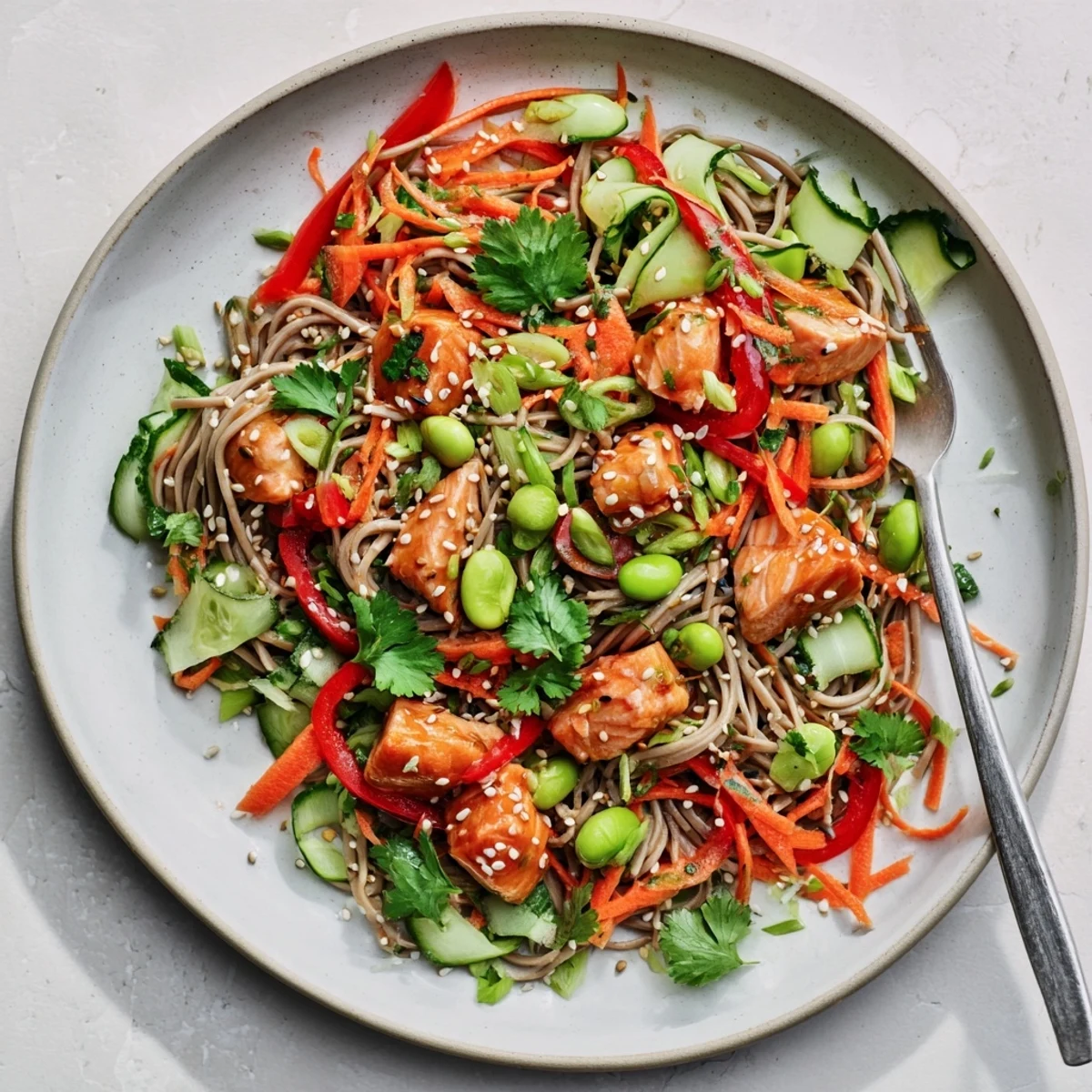
- Divide the salad among plates and top with the glazed salmon pieces. Scatter over the remaining sesame seeds and cilantro leaves, and serve with extra lime wedges on the side.
 Save to Pinterest
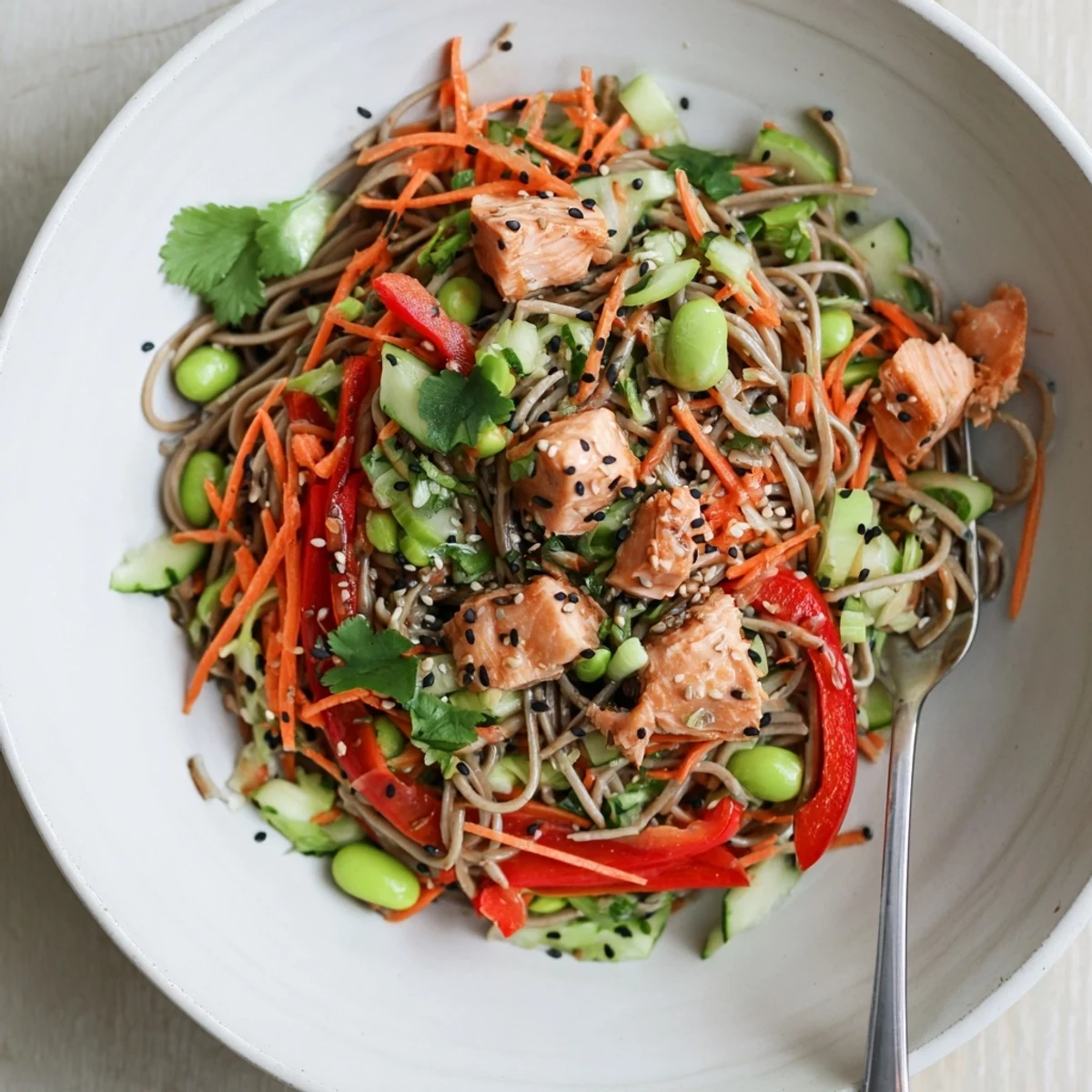
 This salad has become my answer to those nights when I want something that feels like a treat but still leaves me feeling light. The way the warm, sticky salmon pieces nestle into the cold, crisp noodles just works every single time.
Making It Ahead
You can prep all the vegetables and make the dressing up to a day in advance, keeping them separately in the refrigerator. The salmon is best cooked fresh, but you could marinate it overnight for even deeper flavor.
Getting The Right Texture
The key is having everything at the right temperature when you assemble it. The noodles and vegetables should be cold, the salmon warm but not hot, and the dressing at room temperature so it coats evenly without making anything soggy.
Perfecting The Glaze
Watch the pan carefully when you add the reserved marinade. It can go from perfect to burned in seconds. You want it reduced and glossy, coating the back of a spoon.
- Have your plating ready before you start the final glaze step
- If the glaze gets too thick, add a splash of water to loosen it
- Work quickly once the glaze is ready so it stays sticky
 Save to Pinterest
 Hope this becomes one of those recipes you turn to without thinking, the one that just works every time. Happy cooking.
Recipe FAQs
- → Can I make this dish ahead of time?
-
You can prepare the vegetables and dressing up to 24 hours in advance. Store them separately in airtight containers in the refrigerator. Cook the soba noodles just before serving, as they can become sticky if stored too long. The salmon is best enjoyed freshly cooked, but you can flake and refrigerate it for up to 2 days if needed.
- → Is this dish gluten-free?
-
Traditional soba noodles contain wheat, so they're not gluten-free. However, you can easily make this dish gluten-free by using 100% buckwheat soba noodles and substituting regular soy sauce and teriyaki sauce with tamari or certified gluten-free alternatives. Always check labels carefully if you have a severe gluten sensitivity.
- → What can I substitute for salmon?
-
For a vegetarian option, use firm tofu cubes or tempeh slices in place of salmon. Marinate and pan-sear them the same way. Shrimp also works beautifully with the teriyaki glaze. If you prefer another fish, try cod, mahi-mahi, or sea bass fillets—adjust cooking time slightly depending on thickness.
- → Why do I need to rinse soba noodles under cold water?
-
Rinsing soba noodles under cold water stops the cooking process immediately, preventing them from becoming mushy or overcooked. It also removes excess starch, which helps prevent the noodles from clumping together and ensures they remain separate and glossy when tossed with the dressing.
- → Can I serve this warm or cold?
-
This dish is versatile and works beautifully either way. For a warm meal, serve immediately after tossing the noodles with the slightly warm salmon and vegetables. For a refreshing cold version, let everything cool to room temperature or refrigerate for an hour before serving. The flavors actually develop more after chilling.
- → How do I properly julienne vegetables?
-
Start by cutting your vegetable into thin, even planks about 1/8 inch thick. Stack the planks and cut them lengthwise into matchsticks of the same thickness. A sharp knife and stable cutting surface are essential. For carrots, a vegetable peeler can create long, thin ribbons as a quick alternative to traditional julienne cuts.