
 Save to Pinterest
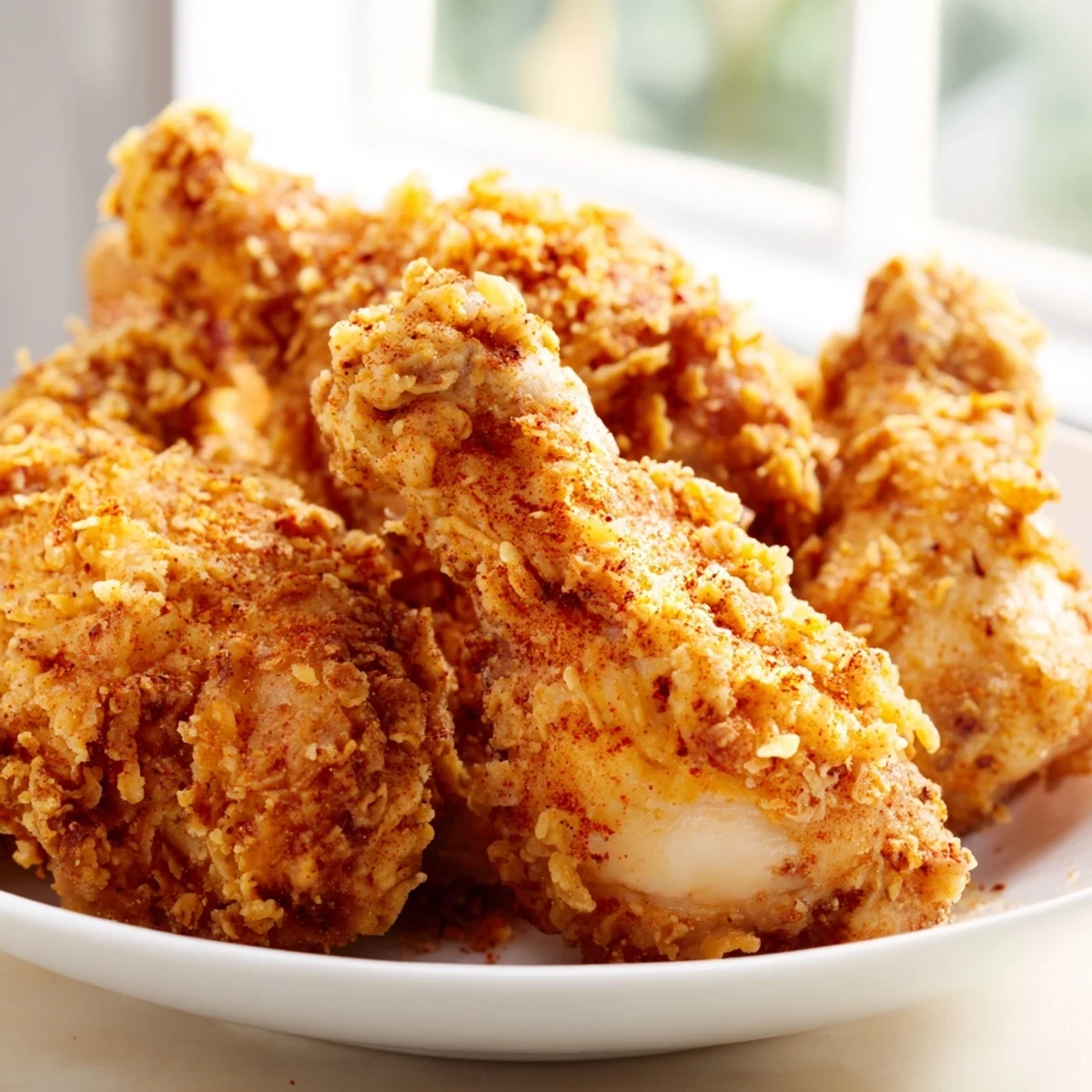
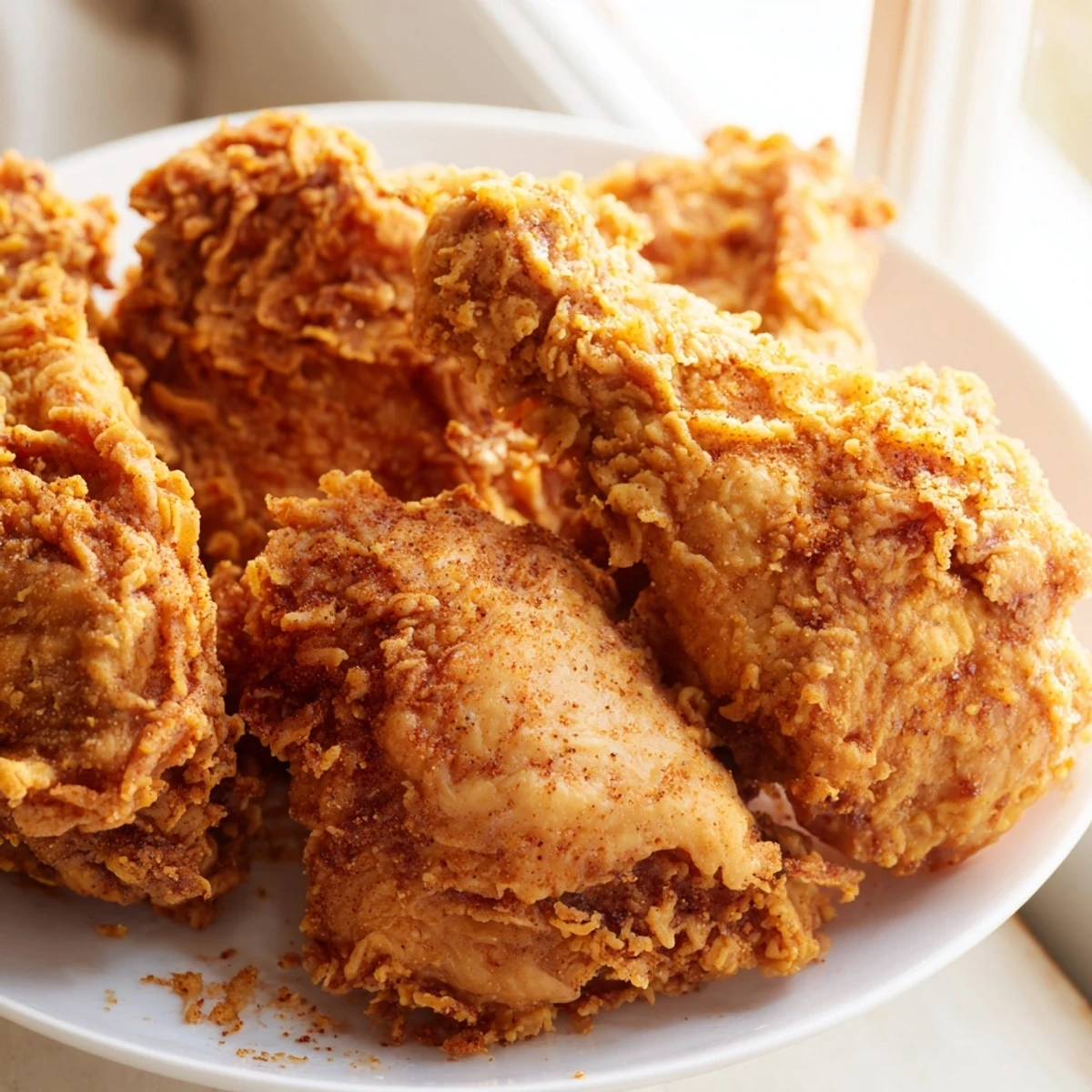
 Classic Southern-style fried chicken featuring buttermilk-marinated pieces coated in a seasoned flour blend and deep-fried to golden perfection. The two-step process ensures juicy meat while creating that signature crispy exterior. Marinate chicken for at least two hours in buttermilk infused with garlic and onion powders, cayenne, and black pepper. Dredge in flour mixture with paprika and baking powder for extra crunch. Fry at 350°F until golden brown and internal temperature reaches 165°F. Results in restaurant-quality comfort food with shatteringly crisp skin and tender, flavorful meat throughout.
My tiny apartment kitchen became a battlefield the first time I attempted real fried chicken. Oil spattered everywhere, my smoke detector cried, but when I bit into that first piece—crackling crust giving way to steaming, tender meat—I understood why people obsess over getting this right. Now it's the one thing my friends specifically request for gatherings, and I've finally learned to embrace the mess.
Summer Sundays were made for this kind of cooking. I remember setting up stations on my counter, marinade bowl on one side, flour mountain on the other, beer in hand while Classic rock played too loudly. The whole neighborhood probably smelled the frying, and honestly, that felt like part of the invitation.
Ingredients
- Chicken: Bone-in, skin-on pieces are non-negotiable here—the skin becomes part of that coveted crust, and bones keep the meat from drying out during the longer fry time.
- Buttermilk: This isn't just for tenderizing, the acidity actually predigests the proteins and the thickness helps the flour adhere better.
- Flour coating: The baking powder might seem unusual, but it creates tiny air bubbles in the coating for extra crunch without making it bready.
- Oil temperature: Keeping it at 350°F is the difference between greasy, soggy chicken and perfectly cooked meat with a golden shell.
Instructions
- Marinate overnight:
- Whisk buttermilk with salt, garlic powder, onion powder, cayenne, and black pepper until combined. Submerge chicken pieces completely, cover, and let them soak up that tangy flavor in the refrigerator for at least 2 hours, though overnight is better.
- Set up your coating station:
- Mix flour, paprika, salt, black pepper, cayenne, and baking powder in a wide, shallow bowl until evenly distributed. You want room to work, so use something with enough surface area for dredging.
- Dredge thoroughly:
- Lift chicken from buttermilk, let excess drip off for a second, then press firmly into the flour mixture. Really work it into the crevices and crannies, then place on a wire rack for 10 minutes to let the coating set before frying.
- Heat your oil properly:
- Fill a deep pot or Dutch oven with enough vegetable oil to submerge chicken pieces completely. Heat to exactly 175°C (350°F), using a kitchen thermometer to be precise—too cold and you get grease-soaked chicken, too hot and the crust burns before the meat cooks.
- Fry in batches:
- Carefully lower chicken pieces into hot oil, working in batches so you don't crowd the pot. Fry for 12-15 minutes, turning occasionally, until deep golden brown and crisp with an internal temperature of 75°C (165°F).
- Rest before serving:
- Transfer finished chicken to a wire rack or paper towels to drain. Let rest for 5 minutes—that coating needs time to crisp up completely and the juices need to redistribute.
 Save to Pinterest
 My dad visited last fall and admitted he'd been buying fried chicken for forty years because he thought homemade was too complicated. We made this together on a rainy Sunday, him carefully monitoring the oil temp while I handled dredging, and the look on his face when he tried that first piece was absolutely worth every splattered counter.
The Double Dip Secret
After years of good-but-not-great results, I finally tried returning the flour-coated chicken back into the buttermilk, then dredging it again in flour. That second layer creates this incredibly thick, craggy coating that stays crisp even after a 20-minute car ride to a picnic.
Managing the Mess
Ideally, fry outside if you can, but since most of us don't have that luxury, I've learned to open windows, run the exhaust fan, and accept that some oil spatter is inevitable. A splatter guard helps, but honestly, the cleanup is a small price for chicken this good.
What I Wish Someone Had Told Me Earlier
Temperature maintenance is everything, and I spent years frustrated with inconsistent results until I committed to using a thermometer. Also, letting the chicken rest on a wire rack instead of paper towels changed everything—no more soggy bottoms.
- If your coating starts falling off, the oil might be too hot or you skipped the crucial 10-minute rest after dredging
- Season the chicken immediately after frying while it's still piping hot for maximum flavor impact
- Never cover fried chicken with foil or it will steam itself into sadness and lose its precious crunch
 Save to Pinterest
 Somehow this chicken tastes even better when someone else makes it with you, preferably with cold drinks and good music playing loud enough to cover the oil spatter.
Recipe FAQs
- → How long should I marinate the chicken?
-
Marinate chicken for at least 2 hours in the refrigerator, though overnight marinating yields the most flavorful and tender results. The buttermilk enzymes help break down proteins while infusing seasoning throughout the meat.
- → What's the best oil temperature for frying?
-
Maintain oil temperature at 175°C (350°F) throughout frying. Use a kitchen thermometer to monitor heat, as oil that's too cool results in greasy pieces while overly hot oil burns the coating before the meat cooks through.
- → Can I make this ahead of time?
-
Fried chicken is best served immediately for maximum crispiness. However, you can refrigerate leftovers for 3-4 days and reheat in a 375°F oven for 15-20 minutes to restore some crispiness. Avoid microwaving as it makes the coating soggy.
- → What oil works best for deep frying?
-
Neutral oils with high smoke points like vegetable, canola, peanut, or sunflower oil work best. These oils handle the high frying temperature without imparting unwanted flavors to the chicken.
- → How do I get extra crispy coating?
-
For maximum crunch, double-dip the chicken by returning it to the buttermilk after the first flour coating, then dredging again in flour mixture. Also let coated pieces rest 10 minutes before frying to help the coating adhere properly.