
 Save to Pinterest
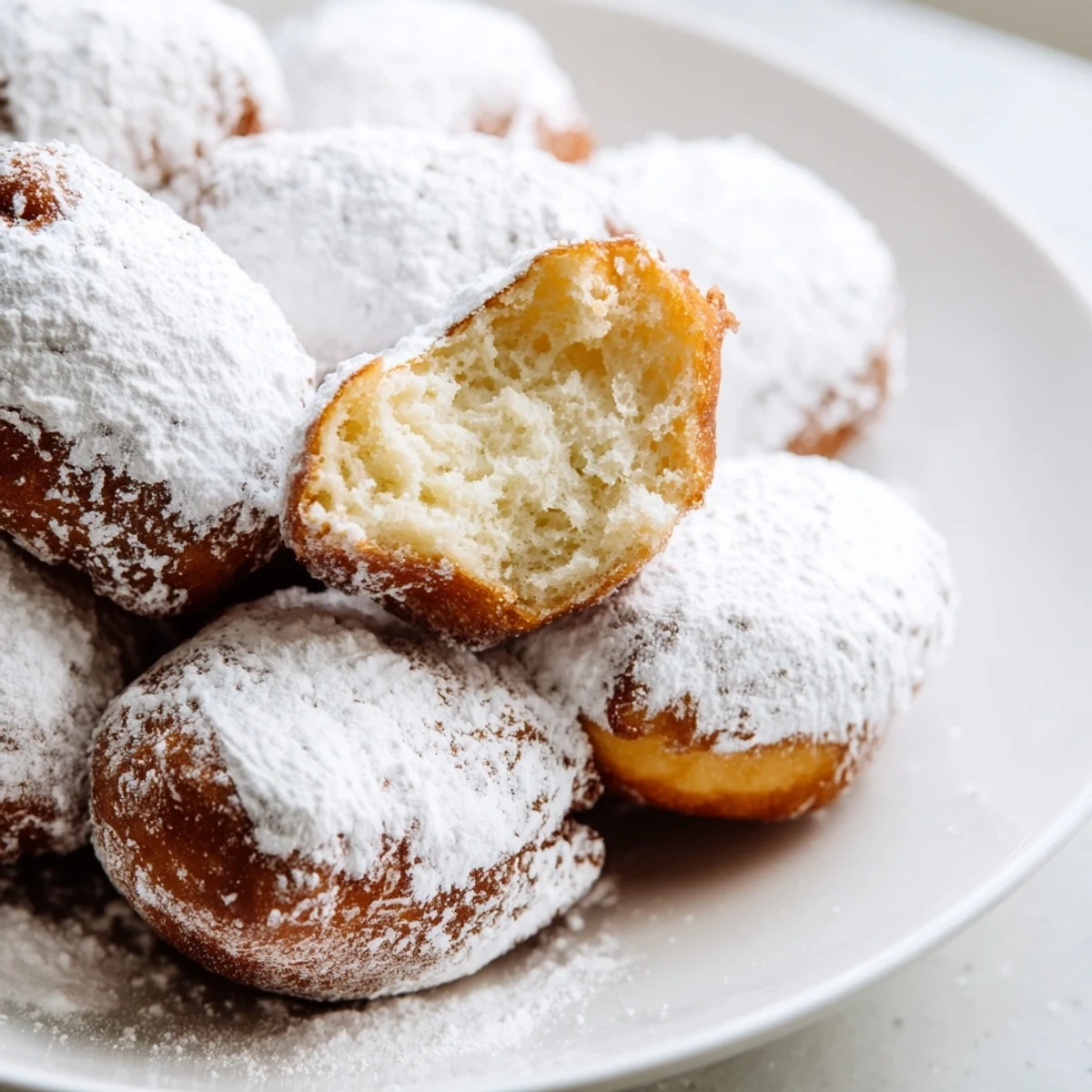
 These authentic vanilla French beignets bring the taste of New Orleans straight to your kitchen. The dough achieves its signature pillowy texture through a careful rising process, while pure vanilla extract adds subtle sweetness. After frying until golden brown, the warm pastries receive a generous coating of powdered sugar for that classic finish.
Perfect for weekend breakfasts or special occasions, these beignets shine brightest when served immediately. The contrast between the crisp exterior and soft, airy interior creates an irresistible texture. Pair with coffee, café au lait, or your favorite dipping sauce like chocolate or fruit preserves.
With about 2 hours total time including rising, this medium-difficulty treat yields 18 servings, making it ideal for sharing with family and friends.
The first time I bit into a warm beignet in New Orleans, powdered sugar floated around me like sweet snow and I understood why people line up at Cafe du Monde before dawn. Years later in my tiny apartment kitchen, I recreated that magic with a vanilla-spiked dough that fills the whole house with an impossible-to-resist aroma. My roommate actually emerged from her bedroom at midnight during my first batch, convinced someone had opened a French bakery next door.
Last winter during the first snowstorm of the season, my kitchen became the warmest place in the house thanks to a double batch of these beignets rising on the counter while wind howled outside. Neighbors somehow materialized with coffee, drawn by the scent of frying dough and vanilla like moths to a flame. We stood around the stove eating them straight from the paper towels, laughing through clouds of powdered sugar, snow piling up against the windows while the oil crackled and popped.
Ingredients
- All-purpose flour: Provides the structure for that pillowy texture we are after, and bread flour makes them too chewy so stick with regular
- Active dry yeast: Make sure your water is warm but not hot, because hot water kills yeast and nobody wants flat, sad beignets
- Whole milk: The fat content matters here for tenderness, though I have used 2 percent in a pinch
- Unsalted butter: Melt it and let it cool completely before adding, otherwise you might scramble your eggs which is a lesson learned the messy way
- Vanilla extract: Do not skip this or use imitation, because real vanilla is what elevates these from doughnuts to something extraordinary
- Vegetable oil: You need enough depth so the beignets float freely without touching the bottom
- Powdered sugar: Get more than you think you need, because generous dusting is non-negotiable here
Instructions
- Wake up the yeast:
- Combine warm water and yeast in a small bowl, then walk away for five minutes until you see a foamy layer on top, which tells you the yeast is alive and ready to work.
- Mix the dry foundation:
- Whisk flour, sugar, and salt together in your stand mixer bowl so everything is evenly distributed before the wet ingredients join the party.
- Bring it all together:
- Add the yeast mixture, milk, eggs, melted butter, and vanilla, then mix on medium speed with your dough hook for about six minutes until the dough is smooth and slightly sticky, fighting the urge to add more flour.
- Let it rise:
- Transfer the dough to a lightly oiled bowl, cover it with plastic wrap, and find the warmest corner of your kitchen for an hour to ninety minutes until it has doubled in size.
- Roll and cut:
- Punch down the dough gently, turn it onto a floured surface, and roll to about half an inch thick before cutting into two inch squares with a sharp knife.
- Second rise:
- Arrange the squares on a parchment-lined baking sheet, cover them loosely, and let them rest another thirty minutes while you heat your oil.
- Heat the oil:
- Using a heavy-bottomed pot, bring your vegetable oil to 350 degrees Fahrenheit, and if you do not have a thermometer, drop in a tiny piece of dough to see if it sizzles immediately and rises to the surface.
- Fry to golden:
- Cook the beignets in batches, never overcrowding the pot, for one to two minutes per side until they are golden brown and puffed like little clouds.
- The finishing touch:
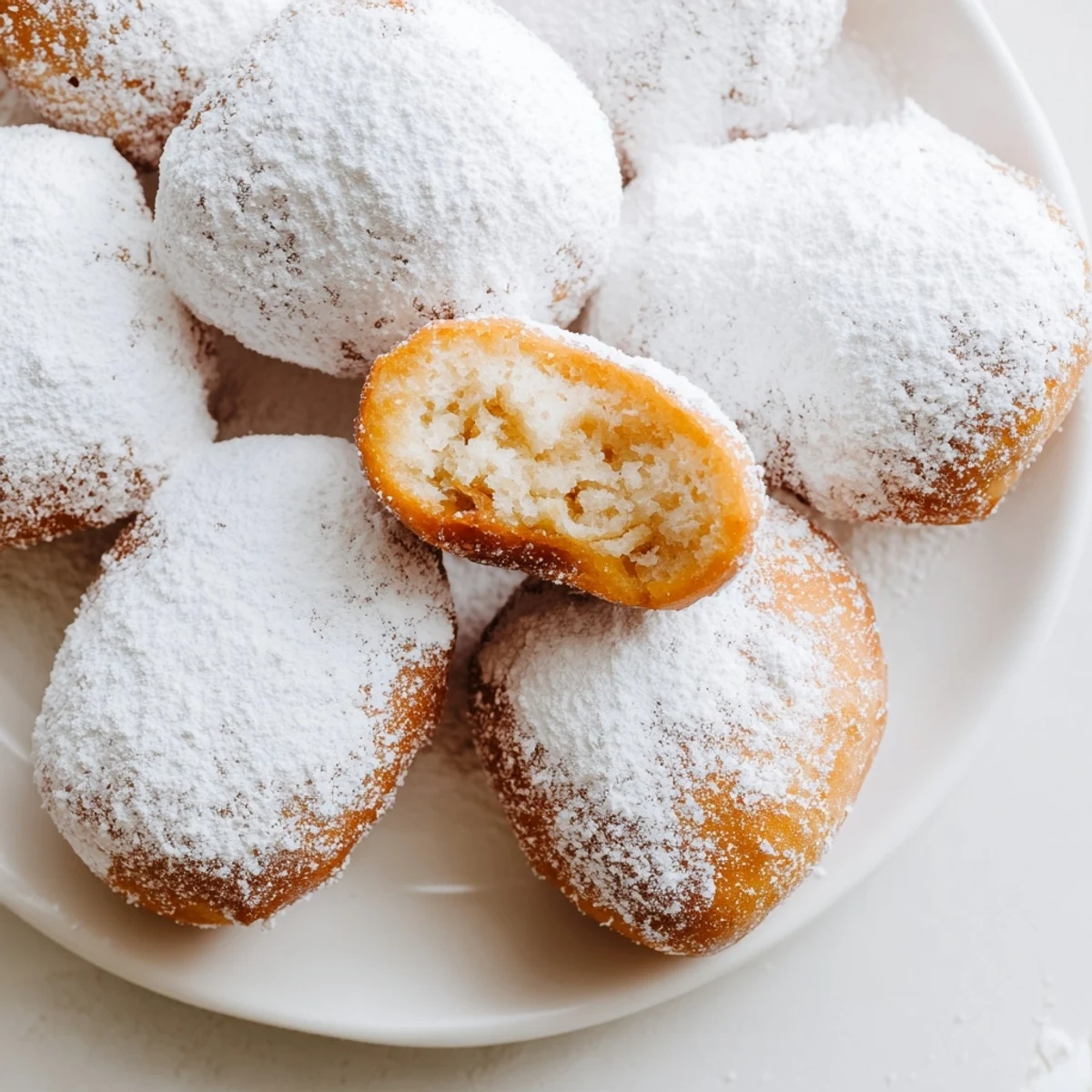
- Let them drain briefly on paper towels, then dust generously with powdered sugar while they are still warm because that is when the sugar creates that perfect sweet coating.
 Save to Pinterest
 These became my go-to comfort food during a particularly hard winter, the ritual of making them feeling like an act of self care that somehow made everything better. Now whenever I make them, I think of that snowy day and how food can turn a regular evening into a memory.
Perfecting Your Fry Technique
The right oil temperature makes all the difference between heavy, greasy beignets and the light, puffy perfection you are aiming for. I keep a thermometer clipped to the side of my pot now after too many batches of inconsistently fried dough. Heavy-bottomed pots or Dutch ovens hold heat better than thin ones, preventing those frustrating temperature drops that ruin your frying rhythm.
Making Them Ahead
You can actually cut and freeze the beignet squares after the first rise, then let them thaw and finish rising before frying for fresh beignets without all the same-day timing pressure. I have discovered this accidentally when I made too much dough and now it is my secret for having fresh beignets at breakfast without waking up at dawn. Just thaw them in the fridge overnight and let them sit at room temperature for about thirty minutes before the second rise.
Serving Ideas That Elevate
While powdered sugar is traditional and absolutely perfect, I have found that a drizzle of warm chocolate sauce or a side of raspberry jam takes these to dinner-party dessert territory. Sometimes I sprinkle a little extra vanilla sugar on top right after they come out of the oil for a double vanilla hit that people always ask about.
- Lemon zest in the dough creates this bright, surprising note that cuts through the richness
- A tiny pinch of sea salt on top of the sugar makes the flavors pop
- These reheat surprisingly well in a 350 degree oven for about five minutes if you somehow have leftovers
 Save to Pinterest
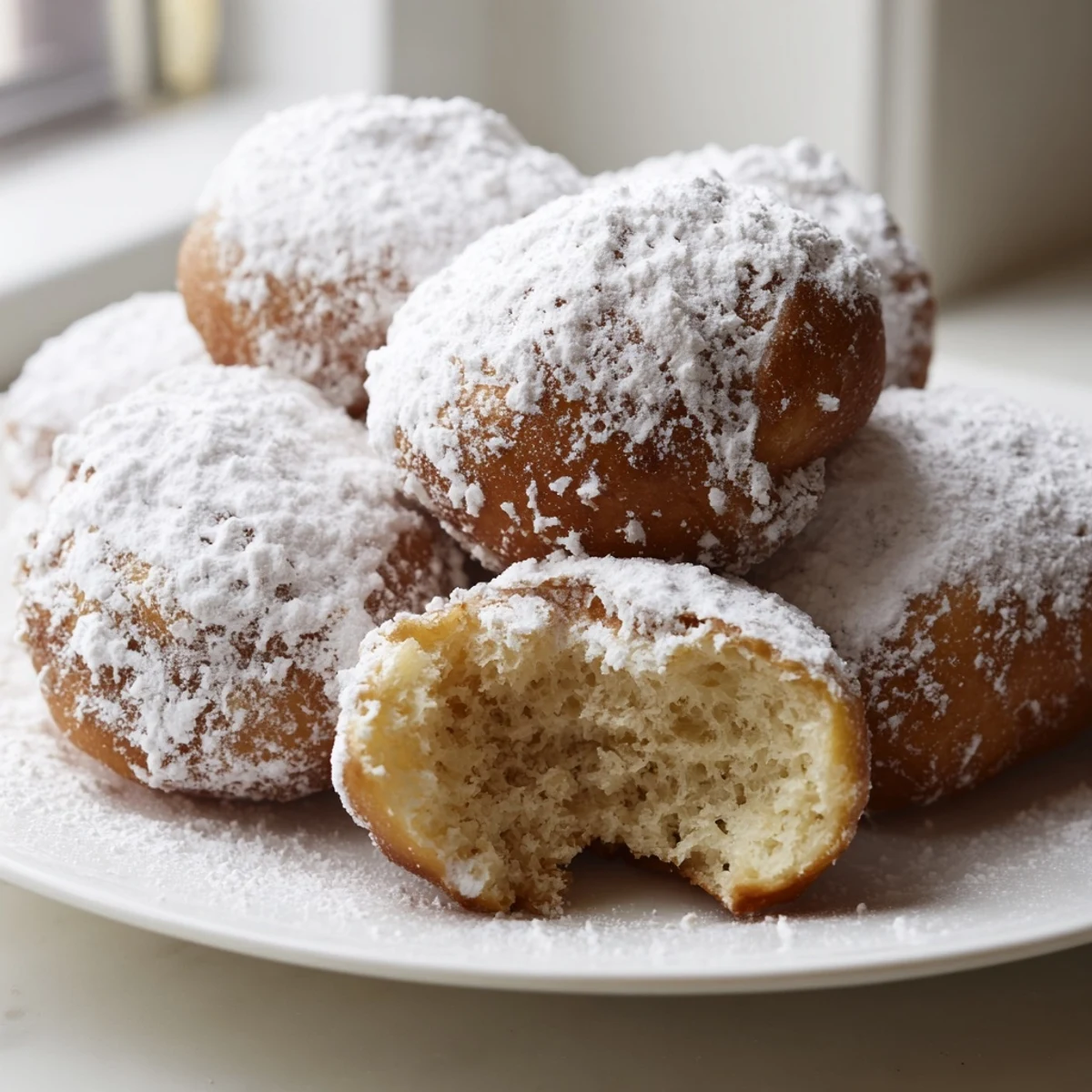
 There is something almost meditative about the rhythm of making these beignets, from the satisfaction of watching dough rise to the simple joy of pulling golden squares from hot oil. I hope they bring as much warmth to your kitchen as they have to mine.
Recipe FAQs
- → What makes beignets different from regular donuts?
-
Beignets differ from donuts in their texture and preparation. These French pastries use a yeast-based dough that rises to create an exceptionally light, airy interior. Unlike ring donuts, beignets are typically cut into squares and lack a hole, allowing for more surface area to collect powdered sugar. The dough remains slightly denser than cronuts but lighter than traditional cake donuts.
- → Can I make the dough ahead of time?
-
Yes, the dough can be prepared in advance. After the first rise, you can refrigerate the dough overnight, which actually develops flavor. Let it come to room temperature before rolling and cutting. Alternatively, you can freeze the cut squares after the second rise—just thaw completely before frying.
- → Why is my beignet dough too sticky?
-
Slight stickiness is normal and desirable for beignet dough. However, if it's unmanageable, add flour one tablespoon at a time while mixing. The dough should pull away from the bowl sides but still feel tacky. Too much flour creates tough beignets, while proper moisture ensures the signature pillowy texture.
- → What's the best oil temperature for frying?
-
Maintain oil at 350°F (175°C) for optimal results. Too cool, and beignets absorb excess oil, becoming greasy. Too hot, and they burn outside while remaining raw inside. Use a kitchen thermometer for accuracy. If you don't have one, test by dropping a small piece of dough—it should sizzle immediately and rise to the surface steadily.
- → How do I keep beignets warm and crisp for serving?
-
Beignets are best served immediately after frying. If you need to hold them briefly, place on a wire rack over a baking sheet in a 200°F oven. Avoid stacking them while warm, as steam makes them soggy. The powdered sugar should be applied just before serving for optimal presentation and texture.
- → Can I bake these instead of frying?
-
While traditional beignets are fried, you can bake them at 375°F for 12-15 minutes. However, baked versions won't achieve the same crisp exterior or characteristic texture. For closest results, brush with melted butter before baking and finish with powdered sugar while warm.